Skip to content

Lighthouse

Bi-monthly publication of CSS Group

Lighthouse
  • Call +971 4 8872333
  • Mail info@cssdubai.com
  • Menu
    • Home
    • About
    • Services
      • Global Freight forwarding
      • Ocean Freight Management
      • Supply Chain Management
      • Land Transportation Management
      • Industrial Packing, Crating & Lashing
      • Air Freight Management
      • Projects Oil & Energy
      • Exhibition Event Logistics
      • Automobile Logistics
      • Art Logistics
      • Non Vessel Operating Common Carrier (NVOCC)
      • Hospitality & Hotel Logistics
      • Multi-modal Operations
      • Container Freight Station (CFS)
      • Yacht & Marine Logistics
      • E-commerce Fulfillment
    • Locations
      • Dubai
      • Abu Dhabi
      • Sharjah
      • Ras Al Khaimah
      • Bahrain
      • Oman
      • Qatar
      • Saudi Arabia
      • India
      • Sri Lanka
    • Careers
    • Track & Trace
    • Login
      • Customer / Agent
      • Employee – Portal
      • Employee – Dashboard
      • CSS India Login
    • More+
      • Lighthouse
      • Media Hub
      • Feedback
    • Contact Us
  • Login
    • Customer / Agent
    • Employee – Portal
    • Employee – Dashboard
    • CSS India Login
  • TRACK & TRACE
  • NOTICES
  • LIGHTHOUSE
Lighthouse
  • Call +971 4 8872333
  • Mail info@cssdubai.com
  • Menu
    • Home
    • About
    • Services
      • Global Freight forwarding
      • Ocean Freight Management
      • Supply Chain Management
      • Land Transportation Management
      • Industrial Packing, Crating & Lashing
      • Air Freight Management
      • Projects Oil & Energy
      • Exhibition Event Logistics
      • Automobile Logistics
      • Art Logistics
      • Non Vessel Operating Common Carrier (NVOCC)
      • Hospitality & Hotel Logistics
      • Multi-modal Operations
      • Container Freight Station (CFS)
      • Yacht & Marine Logistics
      • E-commerce Fulfillment
    • Locations
      • Dubai
      • Abu Dhabi
      • Sharjah
      • Ras Al Khaimah
      • Bahrain
      • Oman
      • Qatar
      • Saudi Arabia
      • India
      • Sri Lanka
    • Careers
    • Track & Trace
    • Login
      • Customer / Agent
      • Employee – Portal
      • Employee – Dashboard
      • CSS India Login
    • More+
      • Lighthouse
      • Media Hub
      • Feedback
    • Contact Us
  • Login
    • Customer / Agent
    • Employee – Portal
    • Employee – Dashboard
    • CSS India Login
  • TRACK & TRACE
  • NOTICES
  • LIGHTHOUSE

MAWANI AND SAL PROPEL JEDDAH ISLAMIC PORT WITH STATE-OF-THE-ART LOGISTICS PARK

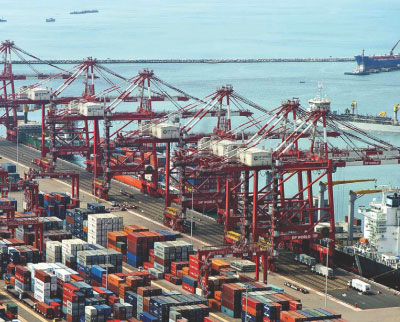
Mawani and Saudi Logistics Services Company (SAL) have entered into an agreement to establish a cutting-edge logistics park spanning 54,000 square meters at Jeddah Islamic Port. The primary aim of this initiative is to elevate both sea and air connectivity and enhance the overall logistics services provided at the port.

This integrated logistics hub will incorporate essential services and advanced environmental systems. Smart warehouses, storage yards for goods, a re-export zone, and facilities for regional sorting and distribution operations, along with value-added processes, are integral components of this development.

Adhering to the latest environmentally friendly international specifications, the logistics park is anticipated to play a pivotal role in advancing the logistics services at Jeddah Islamic Port. The port has undergone significant structural reforms, leading to a notable improvement in operational efficiency within the maritime sector and logistics services, as evidenced by international benchmarks.

This newly proposed logistics park is aligned with Mawani’s strategic objectives, focusing on providing investment opportunities for the private sector, developing sustainable capacities, and offering solutions tailored to the needs of partners. Mawani remains dedicated to achieving the goal of establishing 30 logistics centers for re-export by 2030, in line with the targets outlined in the Saudi National Strategy for Transport and Logistics Services (NTLS). This commitment underscores the kingdom’s position as a premier global logistics center and a vital hub connecting three continents.

Jeddah Islamic Port, acknowledged as the largest port along the Red Sea, has consistently secured top rankings in transit trade, container operations, and cargo handling, according to the 2021 Container Ports Performance Index issued by the World Bank.

RED SEA ATTACKS PROMPT SHIPPING GIANTS TO IMPOSE SURCHARGES

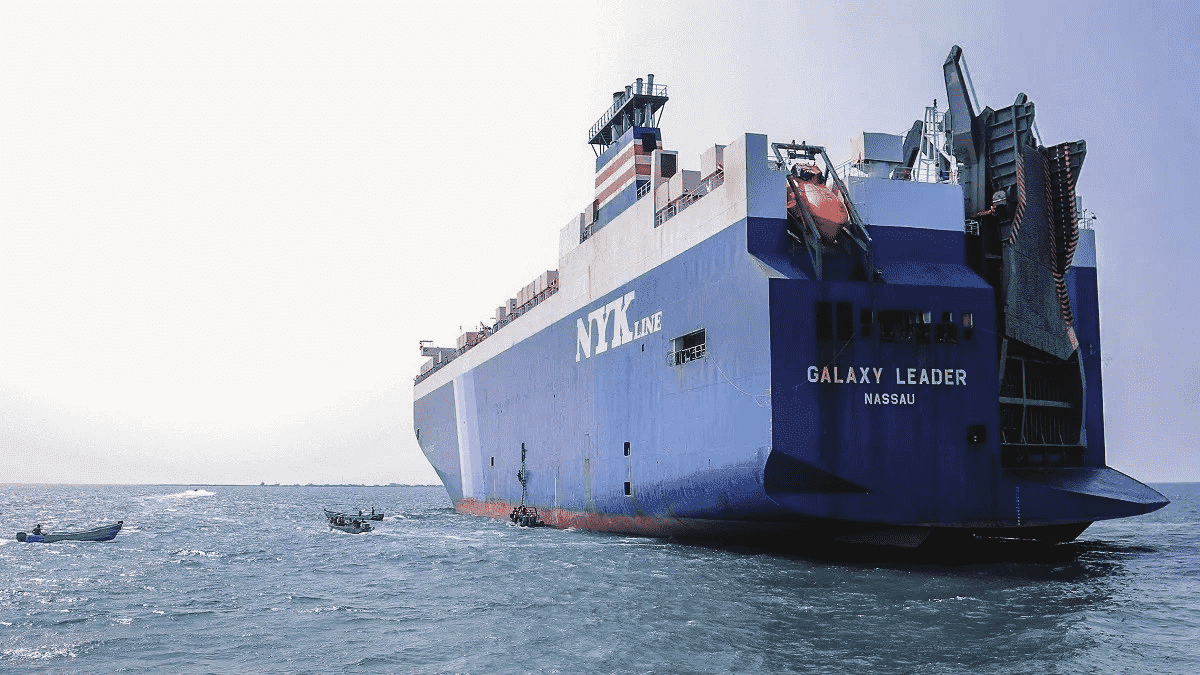
In a seismic shift in the global trade landscape, the attacks in the Red Sea have prompted shipping giants Maersk and CMA CGM to reroute their vessels, accompanied by the imposition of surcharges that threaten to compound the escalating costs of sea transport. This recent development underscores the heightened geopolitical tensions, particularly as the Houthi militant group continues to target vessels, injecting an element of unpredictability into maritime routes that are crucial for world commerce.

Maersk and CMA CGM, two of the maritime world’s titans, find themselves at the forefront of a strategic shift. Faced with attacks on vessels in the Red Sea, they have opted to redirect their ships around the Cape of Good Hope, the southern tip of Africa. This deviation adds approximately 10 days to the usual 27-day journey from China to Northern Europe, signalling a departure from the swiftest sea route between Asia and Europe – the Suez Canal.

In response to the extended voyages and heightened operational challenges, Maersk has declared a severe operational disruption, necessitating immediate measures. This includes the introduction of an immediate transit disruption surcharge (TDS) to offset the extra costs linked to the prolonged journey. Additionally, a peak season surcharge (PSS) effective from January 1 has been implemented, further complicating the financial landscape for global shipping.

The ramifications of this strategic shift are not confined to the shipping industry alone. Chinese automaker Geely has already sounded a warning about potential disruptions to its electric vehicle sales, citing delays in deliveries to Europe. The ripple effect on other industries heavily dependent on timely shipping routes for their international trade activities is now a looming concern.

The situation has prompted the United States to announce the formation of a multinational force to patrol the Red Sea, underscoring the gravity of the security challenges in the region. However, the lack of detailed plans has led shipping companies, including Maersk and CMA CGM, to continue their avoidance of the zone.

Logistics firms have already taken proactive measures, rerouting vessels to southern Africa in response to ongoing war risks in the Red Sea and the impact of drought in the Panama Canal. Anticipating further disruptions, customers have been recommended to book well in advance, foreseeing continued cancellations and rate increases into the first quarter.

CMA CGM, in tandem with Maersk, has also unveiled its contingency plan, involving the imposition of surcharges. These include an additional $325 per 20-foot container on the North Europe to Asia route and a $500 surcharge per 20-foot container for Asia to the Mediterranean.

As the shipping industry grapples with the unforeseen challenges brought about by geopolitical unrest, the imposition of surcharges not only represents a financial strain for the shipping giants but also poses a significant challenge for businesses and industries globally. The need for strategic planning, contingency measures, and diplomatic solutions to secure maritime routes is now more pressing than ever in an increasingly unpredictable global trade environment.

DUBAI’S MARITIME AUTHORITY INITIATES TRANSPARENT REFORMS IN TERMINAL HANDLING CHARGES

In Dubai, a pivotal change in the settlement of terminal handling charges at Jebel Ali Port is set to take effect from November 1, emphasizing the exclusive use of the Trade Portal for these transactions. This move is part of a broader initiative to enhance transparency within the local shipping and logistics sector. The significance of this transition is underscored by the fact that, as of November 1, local shippers are mandated to settle all terminal handling charges exclusively through the Dubai Trade Portal.

The operational framework of the new system involves logistics companies in Dubai directly billing their clients. Simultaneously, the local port operator will issue separate invoices covering the range of services provided, including terminal handling, truck loading, and unloading charges. Haris Shaikh, the Managing Director at Gallop Shipping, a Dubai-based company, elucidated that these payments will be collected directly via the Dubai Trade Platform. Notably, this process is in accordance with the Dubai Maritime Authority ruling, with the predominant goal of fostering transparency and mitigating additional charges.

According to Shaikh, the transparency achieved through this process will contribute to a reduction in other additional charges. He remarked on Dubai’s historical role as a trade hub and expressed his optimism that this new approach to transparency in local sea container charges will bolster the city’s competitiveness on the global stage.

The initiative prompted a deadline for the submission of local charges, with corrections provided by the authorities. Usman Rehman, the Managing Director of Time World Freight, acknowledged the impact of the Maritime Authority directive, noting that while there might not have been a significant drop in charges, there was a noticeable standardization of charges across the Dubai market.

There will now be new charges for terminal handling, with rates set at Dh700 for a 20-feet container and Dh1,100 for a 40-feet container. Additionally, Truck Loading and unloading Charges are established at Dh314, with the stipulation that these charges must be paid directly through the Trade Portal. In comparison, the earlier rates for terminal handling charges were Dh1,090 for a 20-feet container and Dh1,520 for a 40-feet container, and these were paid to the shipping line.

The underlying intention, as suggested by industry sources, is to ensure the continuous availability of the most competitive rates. Once standardized, clients have the autonomy to choose the logistics company that best aligns with their needs.

The Dubai Maritime Authority’s proactive approach is recognized for removing ambiguities in how local sea container charges were billed. This move is acknowledged to be working well, delivering the anticipated results, and further contributing to the ongoing efforts to streamline and regulate the industry.

In the context of potential cost fluctuations, service providers are granted the flexibility to increase sea container rates strictly to reflect new or increased costs issued by the port operator or government. According to industry experts, this approach provides customers and freight forwarders with the opportunity to engage in contract-based cargo movement, allowing for a degree of control over any cost fluctuations.

Considering the surge in global container shipping rates since 2020, induced by disruptions caused by the Covid-19 pandemic, the Dubai Maritime Authority’s initiative is perceived as a timely and effective measure. Usman Rehman emphasized that the move towards uniformity and transparency in local sea container charges will mitigate any tendency to over-price, especially given the dependency on demand fluctuations at the port of origin.

To conclude, Dubai’s proactive steps to regulate, standardize, and bring transparency to local sea container charges signify a substantial leap toward creating a fair and competitive environment in the shipping and logistics sector.

THE LOGISTICS INDUSTRY IS EVER EVOLVING

Abhilash Nair Global CEO ISS Relocations
Abhilash Nair Global
CEO
ISS Relocations

shaped by technological advancements, economic conditions, and global trade dynamics. Predicting the exact balance between sea, air, and road freight in 2024 is challenging, but several trends and predictions offer insights into the potential landscape of the logistics industry.


Sea Freight in 2024 :

Sea freight, being a cornerstone of global trade, is expected to undergo certain changes in 2024:

Global Trade Recovery and Expansion: With the global economy recovering from the impacts of the COVID-19 pandemic, a resurgence in global trade is expected. Sea freight is likely to experience increased demand, particularly for bulk shipments and raw materials.

Digital Transformation and Sustainability: The maritime industry is undergoing a digital transformation. Technologies like blockchain and the Internet of Things (IoT) are being integrated to enhance transparency and efficiency. Moreover, sustainability initiatives, including the use of cleaner fuels and eco-friendly practices, will gain prominence.

Efficiency Improvements: Advances in containerization, automated terminals, and improved vessel designs are expected to enhance the efficiency of sea freight operations. These improvements will contribute to cost-effectiveness and a reduction in transit times.

Resilient Supply Chains: The disruptions caused by the pandemic highlighted the importance of resilient supply chains. Sea freight, known for its cost-effectiveness and ability for large volumes, will be a critical part of companies’ efforts to build more resilient and diversified supply chains.


Air Freight in 2024 :

Air freight, known for its speed and efficiency, is poised to play a crucial role in logistics in 2024:

E-commerce Boom and High-Value Cargo: The growth of e-commerce is a driving force behind the increasing demand for air freight. The need for swift cross-border deliveries, especially of small parcels and high-value goods, is expected to fuel growth in the air cargo sector.

Pharmaceutical and Healthcare Demands: The pharmaceutical and healthcare industries often rely on air freight for transporting time-sensitive and temperature-controlled medical supplies. With the global focus on healthcare resilience, air freight is expected to play a vital role in the transportation of vaccines and critical medical equipment.

Technological Advancements: Advancements in aviation technology, such as the development of more fuel-efficient planes and improvements in cargo handling systems, will contribute to increased efficiency and cost-effectiveness in air freight operations.

Supply Chain Resilience: Air freight offers a more resilient supply chain, particularly for industries where delays can have significant consequences. Companies may prioritize air cargo services to enhance their supply chain resilience and reduce the risk of disruptions.

Predictions for 2024 :

Several factors will influence the balance between air and sea freight in 2024:

Modal Shifts Based on Urgency and Type of Cargo: The choice between air and sea freight will continue to be influenced by the urgency of shipments and the type of cargo. Air freight will likely dominate for time-sensitive and high-value goods, while sea freight will remain prominent for bulk shipments.

Sustainable Logistics Practices: Sustainability will be a focal point for both air and sea freight. The industry is expected to adopt more eco-friendly practices, driven by regulatory pressures, consumer preferences, and a broader commitment to environmental responsibility.

Technology Integration: Both sectors will see a further integration of digital technologies. Blockchain, IoT, and data analytics will be employed to enhance transparency, traceability, and efficiency throughout the logistics process.

Regulatory Changes and Emission Standards: Changes in emissions regulations and trade policies will influence the shipping industry. The logistics sector will need to adapt to follow evolving regulations and adopt cleaner technologies.

Economic and Geopolitical Factors: Economic conditions, geopolitical events, and trade agreements will shape the logistics landscape. The balance between air and sea freight will be influenced by global economic trends and unforeseen geopolitical developments.

In 2024, the logistics industry is expected to see a dynamic interplay between sea and air freight, with each mode of transportation serving specific needs. While air freight may dominate for time-sensitive and high-value goods, sea freight will continue to be a backbone for cost-effective transportation of large volumes. Sustainability, digital transformation, and resilience in supply chains will be key themes influencing the logistics industry, with advancements in technology shaping the way goods are transported globally. The precise balance between air and sea freight will depend on the ongoing evolution of global trade, regulatory landscapes, and the industry’s ability to adapt to emerging challenges.

TEAM CSS EMERGES AS WINNERS IN DAFL

In the world of competitive football, success is often measured not just by individual victories but by sustained excellence. The CSS team is at the forefront of this pursuit and is making waves in DAFL. Having just concluded their second season in the league, the CSS team’s journey has been nothing short of remarkable.

The previous season saw the team securing a commendable third-place finish, a testament to their skills and determination. However, this season, they not only set out to compete but to dominate. The results speak volumes – playing 14 games, they suffered only one defeat, held two draws, and emerged victorious in a staggering 11 matches. This impressive performance has earned them the coveted first position in the DAFL Serie B, signaling a well-deserved promotion to Serie A.

The team’s trajectory in the DAFL has been marked by a commitment to continuous improvement and a hunger for success. The thrill of finishing first in Serie B not only signifies their prowess on the field but also opens up a significant decision – whether to ascend to Serie A or stay and defend their hard-earned trophy in Serie B.

This success story is not just about wins and losses; it’s about resilience, strategy, and teamwork. The players, coaches, and the entire support staff have dedicated themselves to the pursuit of excellence, and their efforts have paid off. As the trophy proudly rests at the headquarters, it symbolizes not just a season’s triumph but the culmination of hard work and dedication.

The aspirations of the team go beyond a single victorious season. The team aims to become regular participants in the league, consistently challenging themselves against formidable opponents. The journey doesn’t end with this triumph; instead, it propels them forward with newfound confidence and ambition.

A visit to the DAFL site will offer a deeper understanding of the league, its teams, and the competitive spirit that defines each match. As this team contemplates the decision to move up to Serie A or stay in Serie B, the excitement is palpable, and fans are eagerly anticipating what the future holds for these rising stars.

Whether the team decides to ascend to Serie A or defend their trophy in Serie B, one thing is certain – this team has etched its name in DAFL history, and their story is far from over.

EMPLOYEES OF THE MONTH

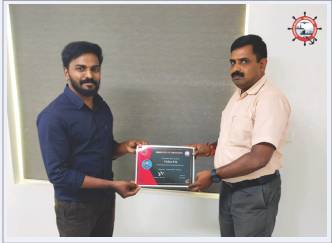
November, 2023

Vishnu P R
Graphic Designer – Marketing
Twin Info Solutions
Awarded By
Renjith G – Manager, Finance & Admin
Twin Info Solutions

November, 2023

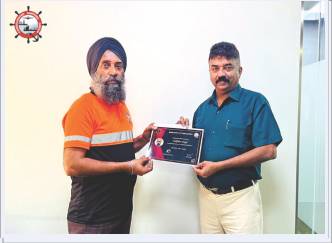
Sukhdev Singh
Driver- Heavy Vehicle
Transport – CSLC
Awarded By
Jayasankar Vasudevan
Manager ( Transport )

December, 2023

Preetham Joseph Dsouza
Software Development Executive
IT – CSS HQ
Awarded By
Susanth Shekar
General Manager ( HR & Admin )

Chairman’s Message

Standing on the threshold of a new year, it is both a privilege and a pleasure to reflect on the journey we have undertaken together. The dawn of a new year is not merely the turning of a calendar page but a poignant moment to acknowledge our shared achievements, learnings, and the collective spirit that propels us forward.

As we enter 2024, I am thrilled to share the joy and pride that comes with completing 29 years of our remarkable journey at CSS. We not only celebrate our accomplishments but also look forward with anticipation to the exciting challenges and opportunities that lie ahead as we embark on our 30th year.

Reflecting on our journey of 29 years

It seems like just yesterday when we set sail on this incredible voyage, accomplished by determination, innovation, and the collective spirit of our dedicated team members. Over the past three decades, we have weathered storms, navigated uncharted waters, and consistently delivered excellence in the global shipping industry. Our success is a testament to the unwavering commitment of every individual who has contributed to the growth and success of our company.

As we reflect on the past, I would like to acknowledge the hard work, resilience, and ingenuity that has brought us to where we are today. Each employee, partner, and stakeholder has played a vital role in shaping CSS into a leading force in the maritime world.

Furthermore, as we bid farewell to 2023, I am pleased to acknowledge that we are concluding this year on a positive  note. Despite the challenges that we faced globally, our collective efforts, strategic initiatives, and the resilience of our team have enabled us to navigate through these uncertain times successfully. The accomplishments achieved in 2023, whether in terms of expanding our fleet, enhancing operational efficiency, or fostering sustainable practices, have laid a solid foundation for the year ahead.

Looking ahead to 2024

The challenges may be new, and the road may be unpredictable, but I have full confidence in our collective strength and ability to overcome anything that comes our way. Our 30th year marks not just the passage of time but a celebration of our endurance, adaptability, and commitment to excellence. I am excited to continue this journey with each member of our dynamic and talented team.

As we set sail into 2024, I am filled with anticipation for the opportunities and growth that await us. With the same determination and innovative spirit that have characterized our journey thus far, I am confident that the coming year will mark yet another chapter of success for CSS. We will continue to remain dedicated to innovation, sustainability, and the delivery of exceptional services.

In closing, let us embark on this journey into 2024, daring to achieve unparalleled heights, conquering challengestogether, and creating a legacy of shared success. Here’s to a year of relentless innovation, profound victories, and the realization of our boldest aspirations.

CSS ESTABLISHES ITS PRESENCE IN SAUDI ARABIA

In a significant move, showcasing 29 years of continuous growth and expansion, Consolidated Shipping Services (CSS) has proudly announced the establishment of its own offices in the region of Saudi Arabia. This latest venture not only represents a pivotal milestone in CSS’s journey but also marks a strategic decision to further expand operations.

Previously, CSS operated under the license of its previous local partner, known as Consolidated Shipping Company Limited. However, the new entity, Consolidated Shipping Services Company, has been driven by the need to grow and cater to all the logistic vertical for CSS Group and their partners. Notably, this new entity will be 100% owned by the CSS Group, providing the company with the autonomy required for further expansion.

Saudi Arabia is currently undergoing a substantial economic transformation, with a focus on reducing oil dependence, diversifying income sources, and enhancing competitiveness. CSS’s strategic presence in Saudi Arabia aligns perfectly with the country’s Vision and 2030 goals, presenting the company with abundant opportunities for growth and collaboration. Leveraging its established network and expertise, CSS aims to deliver substantial value to clients and network partners in the region.

The newly established offices in Saudi Arabia are strategically located in Dammam, Riyadh, and Jeddah. These key locations will serve as operational hubs, allowing CSS to efficiently handle freight forwarding, LCL consolidation, and Industrial Project Logistics. The experienced team based in these offices is well-equipped to ensure smooth and streamlined operations for businesses, offering reliable support to clients seeking exceptional service and value.

CSS is committed to providing seamless and efficient logistical solutions, reinforcing its dedication to supporting businesses in maximizing their growth potential not only in Saudi Arabia but also beyond. As CSS takes this bold step into the heart of the Middle East, the company looks forward to contributing to the flourishing trade landscape of Saudi Arabia and creating lasting partnerships in the region.

GEARING UP TO THE 3RD DECADE OF SUCCESS

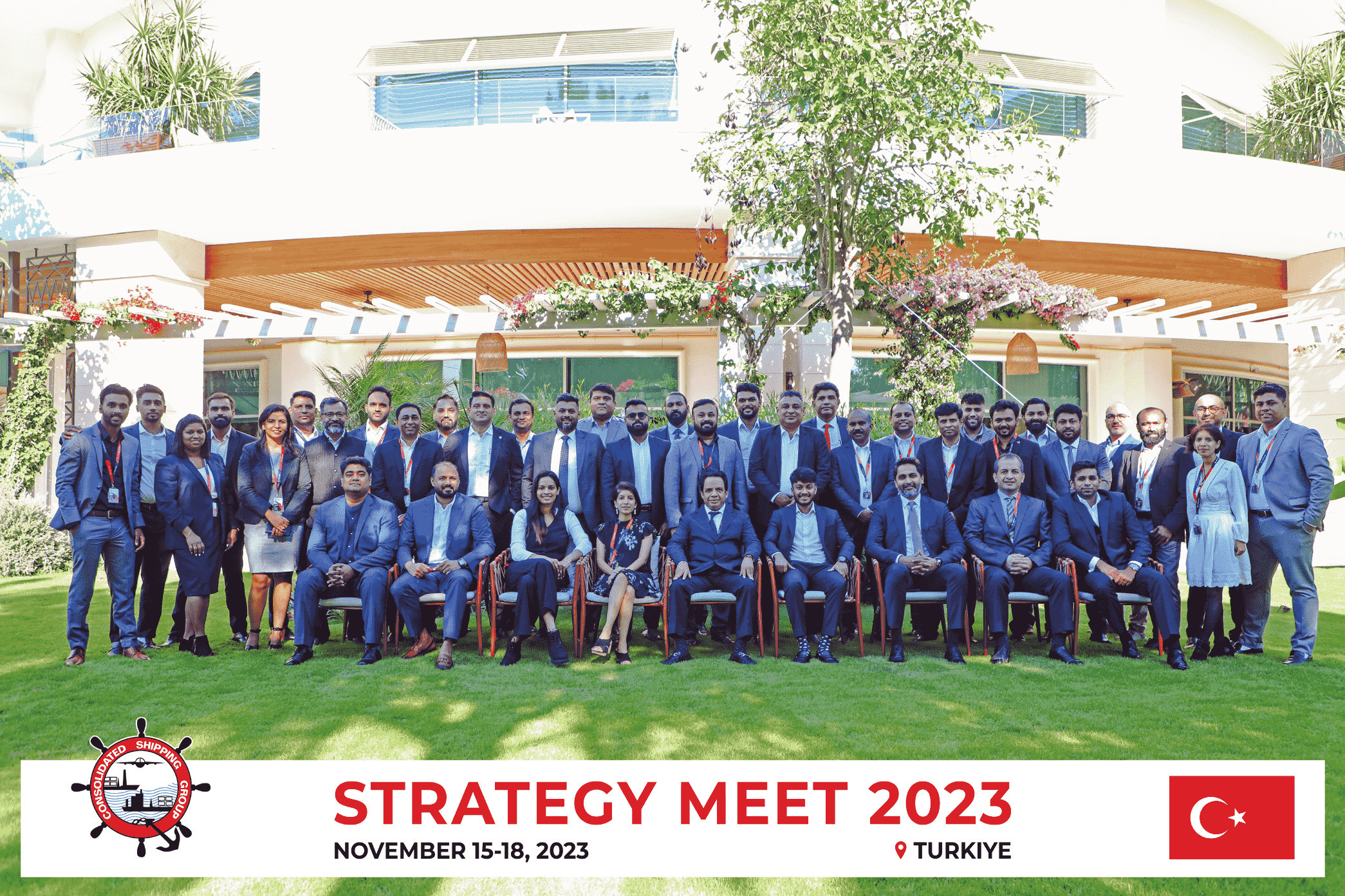
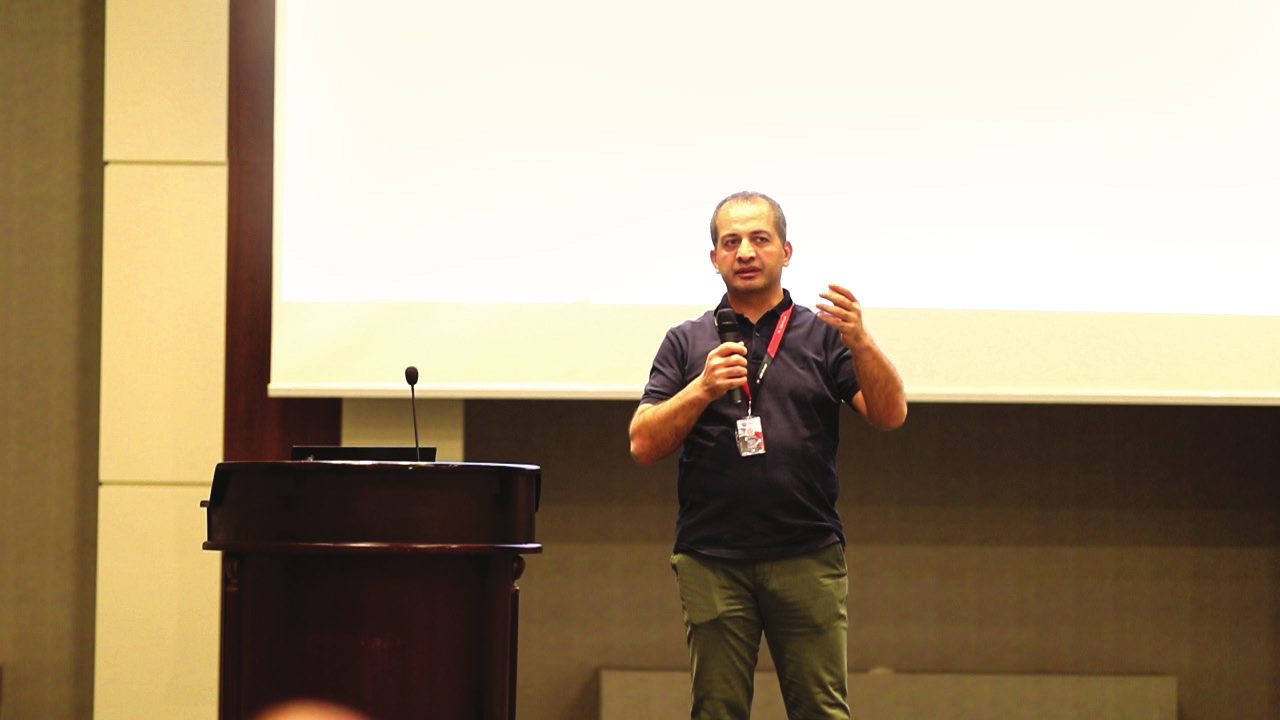
CSS Group recently celebrated its 29th anniversary with a successful Strategy Meet held from November 15th to 18th in the stunning city of Antalya, Turkiye. Antalya, a seaport city
founded in the 2nd century BCE, holds historical significance, with landmarks like the impressive “Hadrian Gate” built to commemorate Emperor Hadrian’s visit in 130 CE.

Symbolically, the “Hadrian Gate” opened doors to the 3rd decade of success for CSS Group in 2024.

The CSS team gathered at the Ela Excellence Resort Belek on November 15th, where they enjoyed a seafront location with a 270-meter private beach and a spacious pier. This setting provided the perfect backdrop for reflecting on the progress made in 2023 and planning for the future of our business.

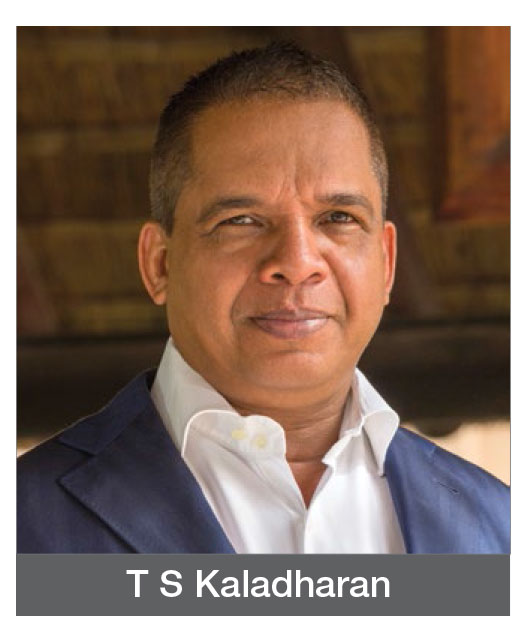
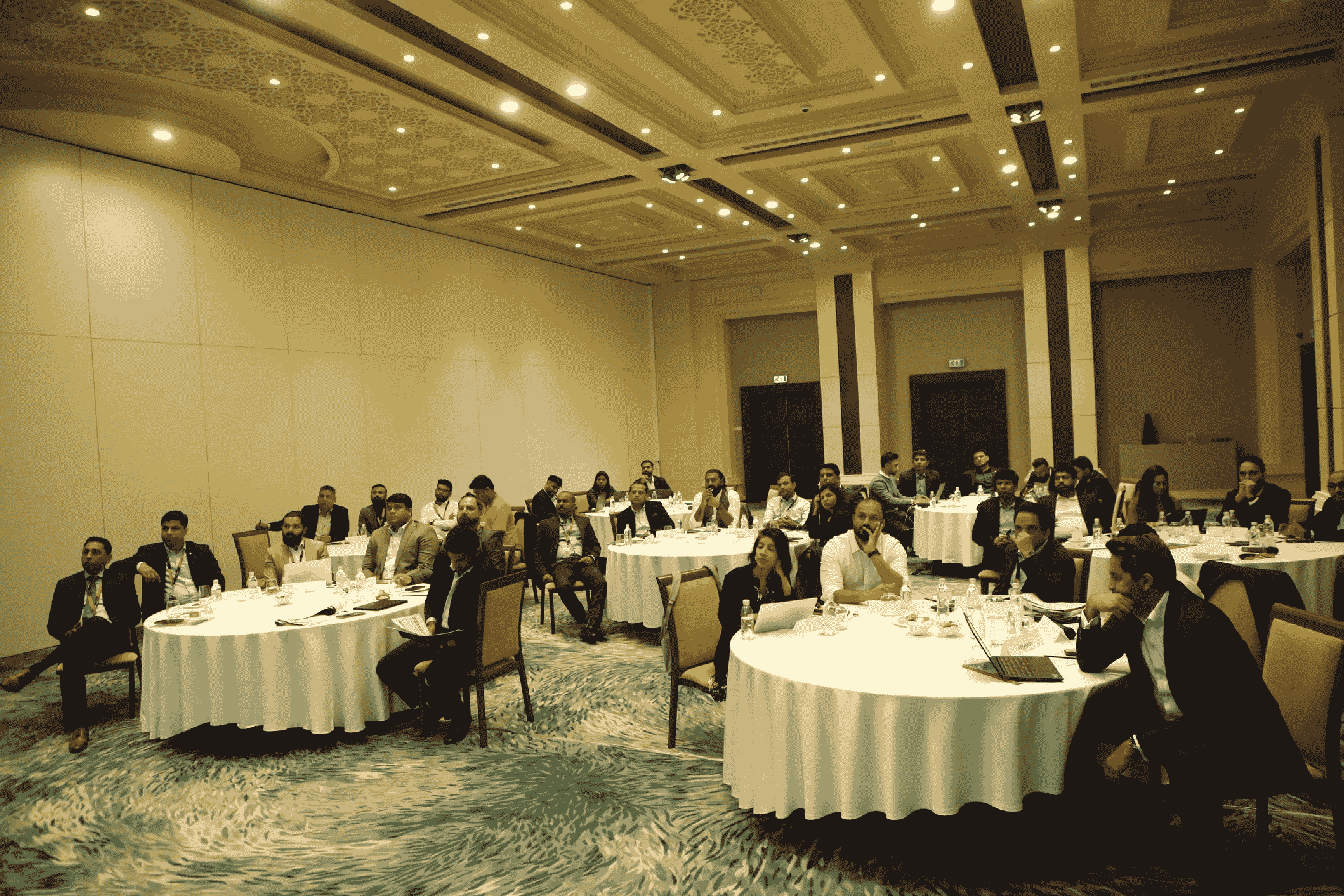
The three-day strategy meet commenced on November 16th under the guidance of our honorable Chairman, Mr. T S Kaladharan. Top Management of the group and participants from each branch attended the meeting. Informative sessions and engaging activities were conducted, primarily focusing on budget discussions and strategic growth plans for the upcoming year.

Respective division and department heads delivered presentations, highlighting the performance of 2023 and outlining short-term goals and strategies for the next three years. Each department shared their unique perspectives on contributing to the company’s overall growth and success. This meeting served as a platform for collaboration, idea exchange, and innovative approaches that will drive the company’s success as it ventures into its 30th year of operations.

STREAMLINED E-COMMERCE FULFILLMENT WITH CSS ELOGIX BAHRAIN

CSS eLogix has expanded its operations into the island nation of Bahrain, thus making us the one and only fulfillment center in that region.

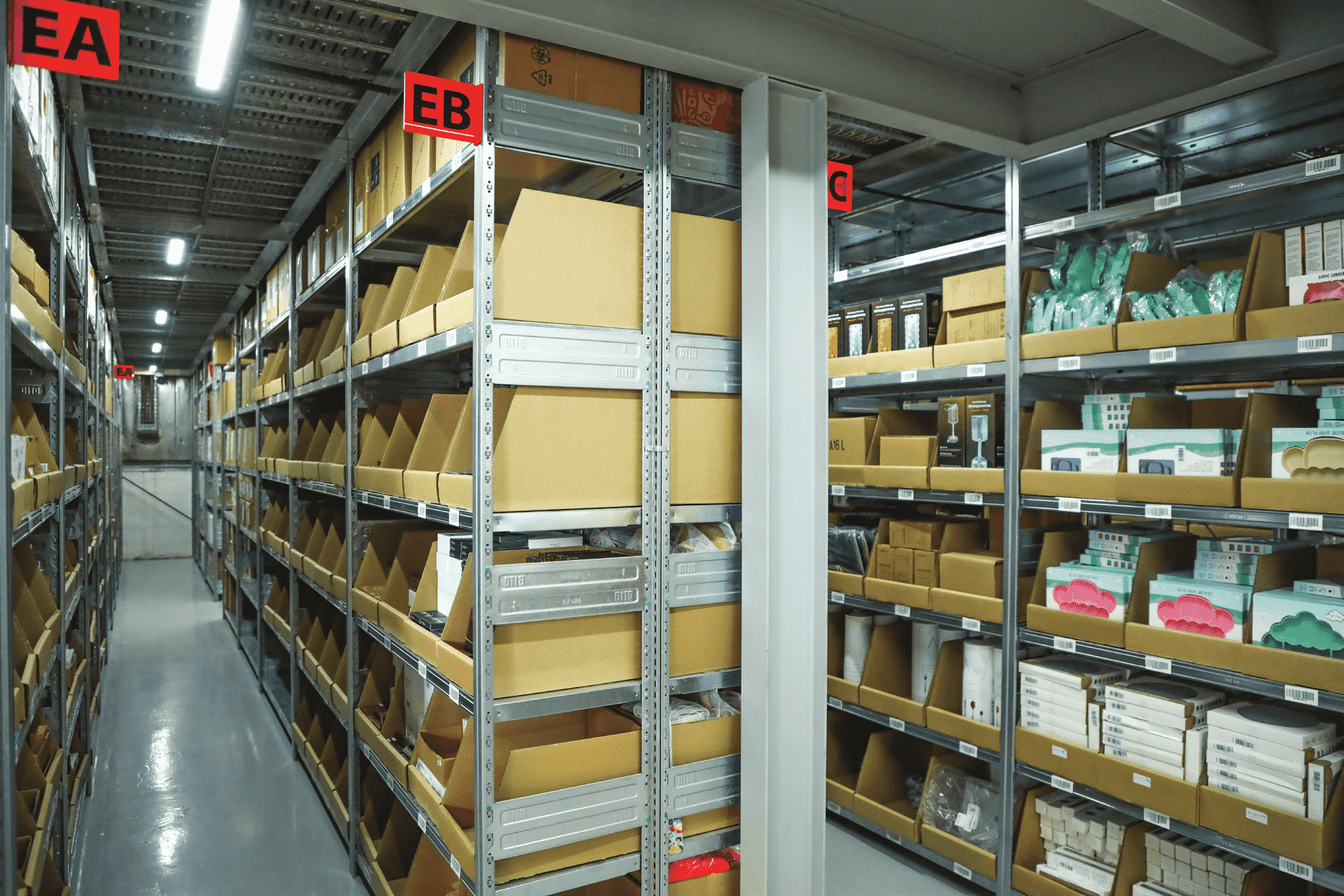
CSS eLogix Bahrain offers a robust and cost-effective supply chain solution for a wide range of e-commerce ventures, catering to online marketplaces, small-scale online retailers, and medium to large enterprises across various industry segments.

Harnessing cutting-edge technologies, systems, and processes to create top-notch warehousing and fulfillment solutions, the primary focus at CSS eLogix Bahrain is to empower e-commerce businesses and brands to concentrate on their marketing and sales endeavors while we handle all aspects of storage, fulfillment, and delivery on the operational front.

Key Advantages of CSS eLogix Bahrain :

  • Cost-Efficiency : The fulfillment services are designed to reduce costs by minimizing shipping timelines and expenses.
  • Advanced Software : The sophisticated software provides real-time inventory updates across fulfillment centers and
    various online marketplace platforms.
  • Returns Management : Streamlined the management of returns, ensuring hassle-free operations for ecommerce
    businesses.
  • Dedicated Customer Support : Dedicated bi-lingual customer support team, well versed in both Arabic and English are
    on always available to provide on-demand support.
  • Reliability : Trustworthy delivery of orders to customers within the promised timeframe.

CSS eLogix Bahrain is dedicated to providing a comprehensive suite of services tailored to meet the needs of businesses at every stage of their e-commerce journey.

The service offerings include :

  • Temperature Controlled Warehouse Facility : CSS eLogix’s temperature- controlled warehouse facility ensures the preservation of product quality by maintaining optimal temperatures, a crucial feature for several industries. Equipped with cutting-edge technology, this facility guarantees that products remain in pristine condition, bolstering customer satisfaction.
  • Pick & Pack Services : The Pick & Pack services streamline the order fulfillment process, reducing handling time, freight charges, and operational costs. The company’s expert team meticulously manages orders, regardless of size, ensuring precision and efficiency in every shipment.
  • ERP Solution for Operational Efficiency : CSS eLogix offers an advanced Enterprise Resource Planning (ERP) solution to enhance operational efficiency. This integrated system enables clients to manage inventory, orders, and shipping from a single platform, providing real-time insights, cost reduction, and improved customer experiences.
  • B2C and B2B Omni-channel Sales : The company empowers clients to reach a global audience through B2C and B2B omnichannel sales solutions. Businesses can connect with customers on various marketplaces, including industry giants like Amazon and Souq, to expand sales volume and drive growth effectively.
  • Temperature-Controlled Delivery : CSS eLogix’s Temperature-Controlled Delivery service ensures that temperature-sensitive products arrive at their destination in perfect condition, minimizing the risk of damage. Local and regional delivery options are available.
  • Swift and Reliable Delivery Solutions : The company addresses urgent delivery needs with Same Day, Next Day, and Delivery services, catering to time-sensitive orders and critical delivery requirements. These services provide a prompt and reliable solution.
  • Knitting Services : CSS eLogix’s Knitting Services contribute to increased operational efficiency and sales volume. These services enable clients to bundle products together for sale as a single unit, customized according to their specifications.
  • IOR and EOR Services : To facilitate seamless international expansion and compliance with trade regulations, CSS eLogix offers Importer of Record (IOR) and Exporter of Record (EOR) services. The company serves as the IOR/EOR, expertly managing documentation and compliance requirements to facilitate global business expansion.

With a vision is to provide customers with a seamless online shopping experience, characterized by trust, excellence, safety, and security CSS Bahrain eliminates the problems customers may encounter during online purchases, ensuring they receive their goods on time and hassle-free.

As the first ecommerce fulfillment center in Bahrain, CSS eLogix is taking a step forward in its goal to establish itself as the leading fulfillment company in the Middle East, setting new standards for excellence in the industry.

CSS OPENS DOORS IN TURKIYE

Turkiye is a vital crossroad where two continents meet. Being a peninsula, it has the potential to be a key country, especially in maritime transportation, due to its geographical location in the middle of the three main continents: Europe, Asia and Africa. Historically, it has been important in world trade, especially the Silk Road.

The Turkish logistics sector has taken essential steps after Turkiye chose an export-based growth model in the 1980s. Despite some shortcomings, the Turkish Logistics sector, such as the railway, has reached the power to serve all markets.

As CSS Turkiye, we know we are at this critical crossroads and have great potential ahead of us. For this reason, we focus on the contributions we can make to our sector in transportation and all areas of supply chain management activities. We are taking small but sure steps in this regard.

The two main development channels that we identified during our studies and that we focus on, as well as the main issues on which the global logistics industry has started to take action, are containers (multimodal products) and LCL transportation. The problems that need to be focused on in the next ten years are green logistics (Carbon Offset) and digitalisation.

Since container transportation is the most critical part of global trade, creating tailor made solutions in this field and offering them to our customers is very important. These opportunities will provide us with customer satisfaction and loyalty and be one step ahead in private business. Each country will likely have its own conditions and dynamics, and we must develop suitable products.

For example :

  • Air + Sea product : It can be used for cargo that is time-sensitive in regions with very high transit times but does not want to use aircraft or has procedure problems. We realised this as CSS Turkiye. Australia did not accept electronic products from Turkiye as air cargo. To transport the shipment by sea, we sent it to the final transhipment port as an  airfreight, and after the transit procedures were completed, we loaded the cargo into a 20DC container and ensured that it was shipped to the store in Melbourne just in time for installation.
  • Land + air product : The cargo will be shipped from Turkish airports as a charter. However, we have offered charter shipment from Amsterdam instead of Istanbul due to the
    high product cost. We planned to truck cargo from Usak to Amsterdam. In this way, it became a 25% more cost effective project than TR.
  • If there are different entry or exit points for products with limited shelf life, it is essential to evaluate them. With our experience in this regard, we can offer our customers fast
    and safe transportation suggestions. For example, when our Bahrain office requested a price for Bahrain egg shipment from Ankara, we quoted the price from Iskenderun, the last stop of the same service, instead of the nearest port, Gebze ports. We offered our customers 7-9 days short transit time, allowing them to reduce the risk of excessive wastage.

LCL transportation is vital in enabling smaller customers to offer their products to their own markets. As CSS Group, a company with a strong LCL network, we take different approaches with our service network that spreads across a diverse region with niche products. This gives us the power to remain decisive in the sector.

One of the future logistics imperatives is carbon footprint reduction. Even if it is not on the agenda right now where it should be, very shortly, states will take the necessary steps to ensure that measures are taken in all sectors on this issue through the pressure methods they will apply through laws and banks. With the European green agreement, the goal is to have 0 carbon emissions by 2050. According to the World Economic Forum, it is calculated that 5.5% of the world’s carbon emissions belong to the logistics sector. In this regard, we at CSS Turkey are in talks with service providers regarding Carbon offset studies and details for one of our customers’ loads. This issue, in particular, seems to force companies with business relations in Europe and North America to take the necessary steps.

Digitalisation has help reduce the environmental damage caused by logistics activity processes. Sustainability, which we call the protection of the environment without harming natural resources, has become the main agenda item of companies. Companies like us that provide logistics services should minimise environmental damage by focusing on green transportation, green packaging and green reverse logistics, which are called green logistics.

In this context, digitalised logistics companies will gain a significant advantage over companies that prefer traditional methods and prioritise investing in digital infrastructure. With our new software, which we focus on, it will be possible to track all our processes digitally through applications shortly. Paperless e-booking and e-bl would be our latest products, and we would track all cargo via the CSS app. Digital process management that is appropriate and ensures data security will benefit customers and service providers.

RED SEA ATTACKS THREATEN GLOBAL ECONOMY AND MARITIME TRADE

Recent attacks on merchant ships in the Red Sea are posing a significant threat to the global economy and maritime trade, adding to the challenges already faced by the shipping industry, such as disruptions at the Panama Canal. The assaults, attributed to the Houthi armed group backed by Iran, have prompted shipping companies to avoid the Suez Canal, forcing them to take longer routes.

The Houthis have utilized drones and missiles to target ships since an attack by Hamas on Israel on October 7, 2023. This has led major shipping and oil companies to circumvent the Suez Canal, a critical passage for container ships and fuel tankers. The potential ramifications include hampering global trade and increasing the cost of imported goods.

The Suez Canal, under Egypt’s control since 1869, is vital for transporting goods and fuel from Asia and the Middle East to Europe and the United States. Approximately 50 vessels
pass through the canal daily, with recent data indicating that at least 32 had been diverted as of Monday. Chris Rogers, head of supply chain research at S&P Global Market Intelligence, noted that nearly 15 percent of European imports rely on the Suez Canal route.

The Red Sea and canal issues are described by Peter Sand, chief analyst at Xeneta, as “a slow-burning disaster that blew up on the weekend.” The situation has prompted global shipping stakeholders to assess the impact on supply chains and shipping routes.

In response to the escalating threats, U.S. Defense Secretary Lloyd J. Austin III announced a new multinational force, including the armed forces of the United States, Britain, Bahrain, Canada, and France. This force aims to address security challenges in the southern Red Sea and the Gulf of Aden, ensuring freedom of navigation and enhancing regional security.

BP, a major oil company, announced the suspension of shipments through the Suez Canal due to the “deteriorating security situation for shipping.” Other companies transporting products from Asia, such as Maersk, have also halted vessels, rerouting them around Africa via the Cape of Good Hope for the safety of crews and cargo.

The impact of these developments is not limited to shipping; it extends to the global economy. With approximately 12 percent of world trade passing through the Suez Canal and 5 percent through the Panama Canal, disruptions force shipping companies to incur millions of dollars in additional fuel costs for longer routes.

Taking the Cape of Good Hope route instead of the Suez Canal can add around $1 million, or about a third, to around trip from Asia to Europe. Some shipping rates have already risen by 20 percent in recent days, reflecting the economic consequences of these challenges.

The attacks have led to increased oil prices, with Brent crude rising about 8 percent over the past week. The situation has prompted calls for international intervention to address the security challenges in the Red Sea and safeguard vital maritime trade routes.

In addition to concerns about rising oil prices and shipping rates, the attacks have raised questions about the safety of vessels in the region. Several shipping  companies, including Maersk, MSC, and others, have suspended operations in the Red Sea, affecting approximately half of the global container shipping market. Insurance risk premiums for sailing through high-risk areas have surged, reflecting the heightened risks associated with the Red Sea.

The situation has also prompted considerations about the broader geopolitical implications, with the Houthi group’sactions influencing regional dynamics and testing international responses. As the United States and its allies discuss a multinational maritime task force to protect Red Sea routes, tensions in the region are further heightened.

Consumers may feel the impact of these disruptions, not only through potential delays in the supply of goods but also through the prospect of higher prices for essential products. Shipping companies are faced with challenging decisions, balancing the risks associated with navigating the Red Sea against the added costs and delays of alternative routes.

CSS GROUP LEADS THE CHARGE TOWARDS SUSTAINABILITY WITH GREEN PARKING FACILITY

In an era where global concerns for environmental conservation are taking center stage, innovative solutions are reshaping even the most mundane aspects of urban life. One such transformative initiative gaining traction is the concept of “Green Parking,” where parking lots evolve from mere vehicle accommodation spaces into dynamic hubs for sustainability and environmental responsibility.

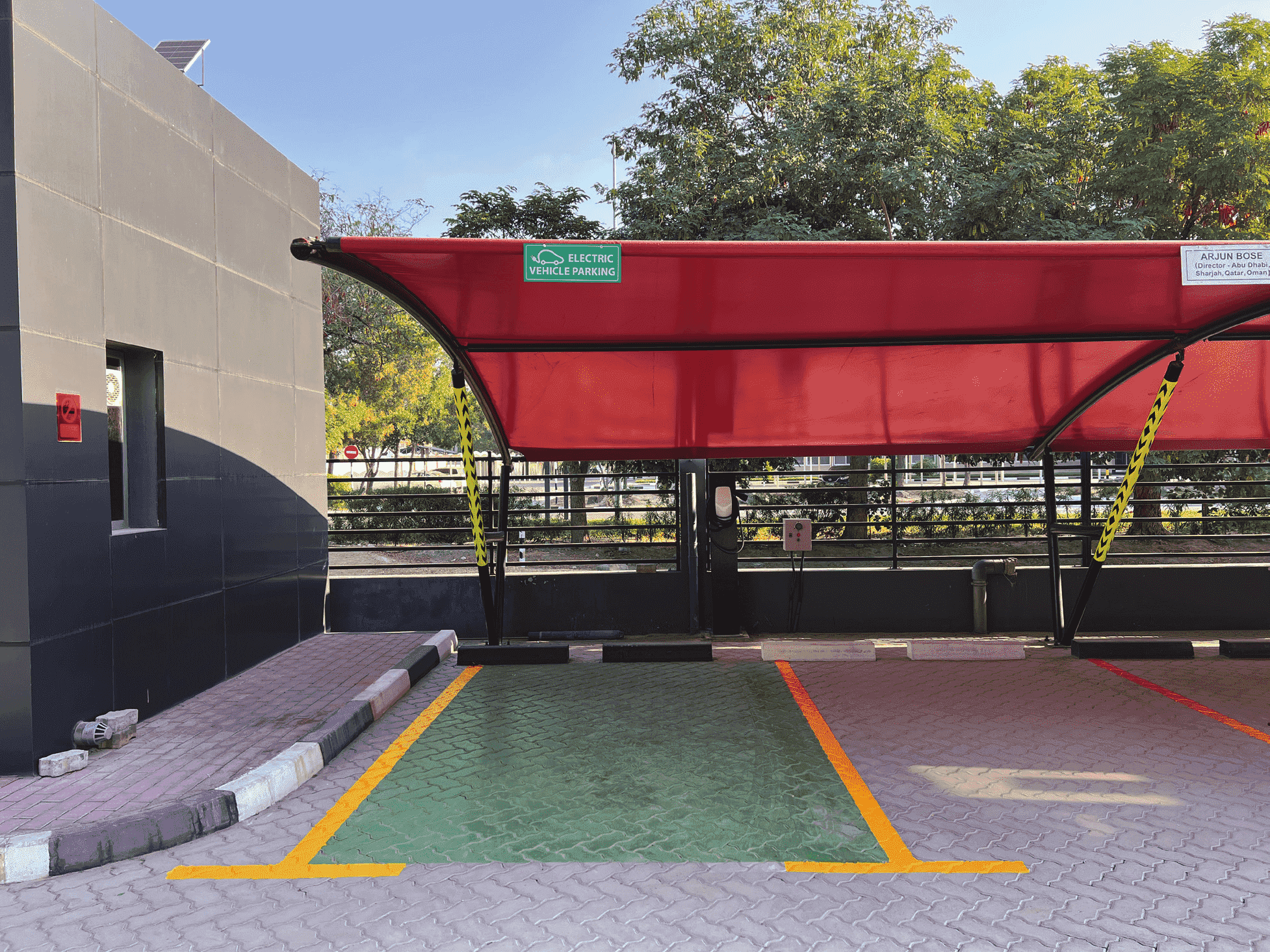
CSS Group has embraced this shift with the introduction of a cutting-edge green parking area at its facility. By seamlessly integrating eco-friendly practices and technologies within the parking infrastructure, CSS aims to minimize the environmental impact traditionally associated with parking structures. This forwardthinking approach extends beyond conventional asphalt and concrete foundations, incorporating sustainable features that contribute to the overall health of the urban ecosystem.

Green parking areas utilize permeable pavement materials, such as porous concrete or interlocking pavers, to facilitate natural water drainage and reduce runoff. Additionally, the incorporation of green roofs or walls within parking structures not only enhances aesthetics but also promotes improved air quality and temperature regulation.

Equipped with energy-efficient LED lighting and smart technology, the green parking area at the CSS facility represents a significant departure from traditional, energy-draining, and high-intensity lighting. This move towards sustainability aligns with a commitment to reducing energy consumption and creating an eco-friendly environment.

The CSS green parking space stands as a breath of fresh air in the concrete jungle, providing a pleasant experience for drivers. The adoption of green parking practices aligns seamlessly with principles of community and corporate social responsibility, offering benefits such as improved public perception, reduced environmental impact, and potential cost savings through energy efficient technologies.

The shift towards green parking is not a trend but a vital step toward a more sustainable and resilient urban future. CSS Group’s commitment to reimagining parking facilities as integral components of sustainable urban planning showcases the transformative potential of embracing green parking practices in the drive towards a more eco-conscious future.

STOP COMPARING YOURSELF TO OTHERS!

Abhilash Nair Global CEO ISS Relocations
Abhilash Nair 
Global  CEO
ISS Relocations

Even though most of us try not to, we are all guilty of comparing ourselves to others. We can make comparisons like, “I wish I dressed like so-and- so,” or, “I wish I were as rich as them” or,“I was better than him/her”

This is often unconscious, but it is important to try to train ourselves to stop. While it may motivate us to better ourselves, constantly comparing ourselves to others can lead to negative thoughts.

Understand Yourself Better : Human beings are social creatures, and comparison is common throughout our entire history. Social media platforms like Twitter, Instagram, and Facebook bombard us with posts about what we lack. These apps are comparison traps that encourage us to question aspects of our own lives. It is easy to forget that social media is a highlight reel of other people’s lives. We see their best moments, but do not usually see their struggles. We often compare our lesser qualities with a person’s best qualities, skewing our judgment. Too much comparison leads to unhappiness and low self-esteem. We become frustrated with ourselves for “not being good enough,” or angry with others. Feelings of jealousy, frustration, and hopelessness appear if comparisons continue. If left unaddressed, chronic anxiety and depression can stem from such behaviour. To avoid comparisons, people may look for others’ faults to make themselves feel better. This is just as unhealthy as tearing yourself apart for what you do not have or do not look like. To halt the comparison habit, focus on bettering yourself and boosting your confidence. Try to train your mind to step away from unfavourable comparisons. Look instead to embrace kindness and a cheerful outlook. It is challenging work, but it pays off.

Few things you can do to take the initiative to stop comparing yourself to others:

  1. Be aware of your triggers and avoid them – To improve your mental health and emotional well-being, list out the situations and circumstances that make you sad or cynical. Social media is not the only thing harming our self-esteem. Is there someone in your life who often puts you down? Or you feel inadequate when a colleague brags. There is a specific place that makes you feel bad, like wandering through an expensive store at the mall. Once you are aware of situations that make you likely to engage in comparisons, you can avoid them.
  2. Limit your time on social media – social media keeps us up to date on our family and friends, current events, an raises awareness. But like most things, it is best in moderation. Over scrolling on social media, especially when consuming lifestyle and beauty content, can have negative effects on our self-worth. Unfollow accounts that cause you to compare yourself to others. Turn off your phone after a certain time of day and do not respond to every message or comment you receive.
  3. Avoid comparing other peoples’ “outsides” to your own “insides” – No one truly knows what is happening behind the scenes in someone else’s life. Everyone is facing their own struggles.
  4. Remind yourself that “money doesn’t buy happiness” – There is a relationship between mental health and money. But one thing is true: money does not buy happiness. Despite being bombarded with ads that say otherwise, money does not guarantee permanent happiness. Watching celebrities live luxurious lifestyles can lead us to believe that money will solve our problems, but it rarely does. Instead, it only buys temporary joy.
  5. Count your blessings – Be grateful for what you have. Someone’s life may seem better, but there might be another person out there wishing they had what you had. There is always something, even just one thing, for which you can be thankful. Implement these strategies to fine-tune your gratitude practice.
  6. Use comparison as motivation – Comparisons can be a great catalyst for change, so long as it is healthy. Instead of feeling envious of other people’s accomplishments, think about how they were able to achieve them. Then see how you can replicate them. Being inspired by someone you know to be kinder or more openminded can lead you to be a better person.
  7. Focus on your strengths – It is okay to be humble, but you should also be proud of what you have conducted. Too much humility is just as harmful as too much self-confidence. Make a list of what you like about yourself. Writing things down can help us recognize and accept the truth instead of speaking it aloud. You can be as general or as specific as you like, and let this list serve as a reminder of your strengths.
  8. Celebrate other people too – We must be our biggest supporters, but self-advocacy can coexist with supporting others. Spread positivity by cheering on your friends and coworkers for their milestones.
  9. Remember that insecurities are universal – It is normal for you to compare yourself to others. We all experience self-doubts and fears that get the best of us now and then. Even the most confident people feel insecure sometimes.
  10. Use your past self as a benchmark of comparison – The only real competition you have is who you were yesterday, who you were last month, or who you were a year ago. You
    will be able to see real growth through retrospection and be proud of your growth.

Must have heard these line below:

“No one can make you feel inferior without your consent.”

“Stop comparing yourself to other people: you are an original. We are all different and it’s okay.”

“I don’t want other people to decide what I am. I want to decide that for myself.”

“Today you are you, that is truer than true. There is no one alive who is you-er than you.”

The only person you should be comparing yourself to is yourself. Your efforts should focus on growing from within, being kinder, more resilient, working hard, and being more open instead of whether your hair is long enough, or you are as strong as someone else or getting paid less that other etc.

TWIN SISTERS SHAPE THE FUTURE OF CSS GROUP

Leadership is crucial in a world where industries continuously evolve and adapt to meet the demands of an ever-changing market. For the CSS Group, the future is looking exceptionally bright as it ventures into new horizons under the dynamic leadership of Chandra Kala and Sasi Kala, twin sisters who are visionaries and driven to achieve excellence. The sisters have a remarkable track record of 28 years.

The CSS Group, a renowned name in shipping and logistics, has always been synonymous with innovation, quality, and customer satisfaction. As Chandra Kala and Sasi Kala step into their roles as leaders of the group, they carry with them a shared vision and an unwavering commitment to maintaining and elevating the company’s already sterling reputation.

The journey of Chandra Kala and Sasi Kala within the CSS Group is a testament to their dedication and drive to shape a future that redefines industry standards. Their vision extends beyond the horizon, aiming to exceed customer expectations and establish new benchmarks in the field of logistics and shipping.

These twin sisters are setting out to lead the CSS Group into a thrilling new era of success and growth. Their story is not just about an unbreakable sibling bond, but about a shared vision, unyielding determination, and an unwavering focus on core values.

A Shared Vision

At the heart of Chandra kala and Sasi Kala’s leadership is a  shared vision that extends beyond immediate goals. They aim to take the CSS Group to new heights while preserving its core values and principles. The sisters are aligned in their commitment to innovation, customer-centricity, and fostering a culture of excellence within the organization. Their shared vision entails transforming the CSS Group into a trailblazer in its industry. Together, they aspire to lead the company toward a successful future. Their corporate vision and mission act as the foundational principles of their strategic plan, providing clear direction for the organization’s path. Their focus extends beyond mere profitability, as they are dedicated to creating a beneficial influence on both the industry and the communities within which they are active.

Unyielding Determination

One of the defining characteristics of Chandra Kala and Sasi Kala is their unyielding determination. They possess an indomitable spirit and the drive to overcome challenges. This determination is rooted in their shared belief that there is no shortcut to success and that every endeavour requires dedication, hard work, and perseverance. Their journey to leadership was marked by countless challenges, but they have never wavered. This determination has propelled them to the forefront of the CSS Group, and they continue to inspire the CSS team to reach for greatness.

Unwavering Focus on Core Values

Chandra Kala and Sasi Kala understand the significance of staying true to core values. They are committed to upholding the principles that have been the cornerstone of the CSS Group’s success. Integrity, honesty, and a strong work ethic are values that they hold dear. These core values provide a guiding light, ensuring that the CSS Group’s growth is undeterred in the years to come. The sisters are unwavering in their commitment to these values, and they ensure that every decision they make aligns with the principles that have defined the company for years. Moreover, they recognize the significance of teamwork, appreciating the unique contributions of each team member and cultivating a collaborative atmosphere within the organization.”

Leading CSS Group into a New Era

As Chandra Kala and Sasi Kala assume leadership roles within the CSS Group, they are embarking on a mission to bring about a transformative era for the company. This new era is marked by innovation, customer satisfaction, and an unwavering commitment to excellence. Under their leadership, the CSS Group is poised to achieve unprecedented success. The sisters are visionaries and change-makers. Their journey together, is a testament to what shared vision, determination, and adherence to core values can achieve. To navigate the evolving business environment with excellence, they are dedicated to adopting cutting-edge technologies and the most effective industry standards. Their goal is to position the CSS Group as a pioneering force in the integrated logistics sector.

The CSS Group, with Chandra Kala and Sasi Kala at the helm, is destined for greatness. Their unwavering commitment to excellence ensures that the company will continue to be a name synonymous with innovation, quality, and customer satisfaction. As they steer the CSS Group into the future, there’s no doubt that they will exceed customer expectations and set new industry benchmarks, leaving a lasting legacy of leadership and success.

WHY EFFICIENT ECOMMERCE FULFILLMENT IS A NECESSITY FOR YOUR ONLINE BUSINESS?

We now know that the pandemic-driven online retail boom is here to stay. However, the demands of online shoppers keep evolving. Staying ahead of the competition requires more than just a user-friendly website and a fantastic product range. As an ecommerce business owner, you know that seamless and efficient ecommerce fulfillment is the secret of a successful online venture. What’s more, it in crucial to take care of every step in the fulfillment process. It starts from the time a customer places an order on your website till it reaches the customer’s doorstep. Furthermore, a well-organized fulfillment process directly impacts customer satisfaction leading to repeat orders, and finally enhancing your brand’s reputation in the market.

Firstly, we analyze the importance of efficient ecommerce fulfillment. We then will demonstrate how partnering with a top-notch fulfillment providers can help in ramping up the efficiency of your online venture.

The Hassles of Running an E-commerce Business

Yes, running an online business is exciting with great growth potential. But it does come with its own set of challenges. Be it a large company or a bootstrapped set up, ecommerce fulfillment and management can be very difficult to handle.

Imagine this scenario; it’s the dead of night, and your online store has just experienced a sudden surge in orders. You’re excited about the rush of orders, but deep down you fear if things will spiral out of control. However, you are at wits’ end thinking if you will be able to fulfill these orders accurately and on time?

As an online entrepreneur or small business owner, it can be overwhelming to handle order processing, inventory management, packaging, and shipping on your own. As a result of our discussions with e-commerce owners, here are a few difficulties they experience on a day-to-day basis:

  1. Lack of Space and Resources: Limited space and resources to store inventory can hinder business growth.
  2. Haphazard Order Processing: Without streamlined systems and processes, fulfilling orders can become time-consuming and error-prone.
  3. Inventory Management Challenges: Maintaining optimal inventory levels, ensuring stock availability, and minimizing stockouts can be challenging without proper inventory management tools and expertise.
  4. Shipping and Logistics Complexities: Coordinating shipments, negotiating shipping rates, and ensuring timely delivery can be overwhelming. This is especially for businesses shipping to different locations
  5. Customer Service and Retention: Failing to meet customer expectations can impact customer retention and damage the reputation of your business.
  6. Delivery Times: Delayed deliveries can result in negative reviews and a tarnished brand image.

The Role of Efficient E-commerce Fulfillment

Efficient ecommerce fulfillment can help in surmounting these and contributes to the overall success of your online business with the following benefits.

  • Streamlined Operations : Partnering with a professional fulfillment center can streamline your entire fulfillment process. From receiving inventory to managing orders and returns, a dedicated fulfillment center ensures accuracy and efficiency at every step.
  • Efficient Ecommerce Fulfillment Centers : Strategically located state-of-the-art ecommerce fulfillment across different regions are a necessity. Equipped with cutting-edge technology, these centers offer ample storage space for your inventory. Besides, by partnering with these service providers, your products can be stored securely and efficiently. This ensures easy access and accurate order processing.
  • Temperature-Controlled Delivery and Handling : Does your business deals with temperature-sensitive products, such as perishable goods or pharmaceuticals? If yes, you need an Ecommerce fulfillment Center that offers temperature-controlled delivery and handling services. Moreover, your products are maintained at the optimal temperature throughout the fulfillment process, minimizing the chances of spoilage or damage.
  • Value-Added Services : Top of the line Ecommerce fulfillment service providers offer other value-added services that can enhance your business. They even help you create custom promotional materials and inserts to boost brand awareness and customer engagement. Additionally, they also offer Knitting Services, allowing businesses to bundle products together to create attractive packages or gift sets, offering an extra selling point to customers.
  • International Trade Compliance : Expanding your online business globally comes with its own challenges, particularly when it comes to navigating international trade regulations. Good fulfillment service providers offer Importer of Record (IOR) and Exporter of Record (EOR) services, ensuring compliance with international customs requirements. By partnering with such providers can expand your reach to international markets efficiently and confidently.

CSS eLogix is a leading e-commerce fulfillment center with a proven track record of helping online businesses overcome fulfillment challenges. Therefore, we understand the unique challenges of an e-commerce venture. With our robust service offerings, CSS eLogix ensures that your e-commerce operations go on smoothly without any roadblocks even if there are sudden spikes in your orders. By entrusting your fulfillment process to CSS eLogix, you free up valuable time and resources. This will help you focus on what truly matters – growing your online business and delighting your customers.CSS eLogix is a leading ecommerce fulfillment center with a proven track record of helping online businesses overcome fulfillment challenges. Therefore, we understand the unique challenges of an ecommerce venture. With our robust service offerings, CSS eLogix ensures that your ecommerce operations go on smoothly without any road blocks even if there are sudden spikes in your orders. By entrusting your fulfillment process to CSS eLogix, you free up valuable time and resources. This will help you focus on what truly matters – growing your online business and delighting your customers.

Most importantly, efficient ecommerce fulfillment is not just a logistical requirement. In fact, it’s a key component of providing a superior customer experience and building a successful online brand. Talk to our expert and we can help your online business thrive in today’s competitive ecommerce landscape.

CSS PRESENTS STAFF WITH CLOTHES FOR ONAM FESTIVITIES

Onam is a vibrant and culturally significant festival celebrated in Kerala. It marks the harvest season and is a time of immense joy and togetherness for the people of Kerala. The festival typically lasts ten days and is characterized by colourful floral decorations, traditional music and dance performances like Kathakali, and the famous snake boat races.

One of the highlights of Onam is the grand feast, known as the Onam Sadhya, where a variety of delicious vegetarian dishes are served on a banana leaf. The festival is also associated with the legend of King Mahabali, whose annual visit to Kerala during Onam symbolizes the spirit of unity and equality. It is a time when families come together to celebrate their rich cultural heritage and create lasting memories.

During Onam, giving holds a special significance in Kerala’s cultural celebration. It reflects the spirit of generosity and unity that this festival embodies. During Onam, people often engage in acts of charity and giving, known as “Onam Seva.” As people unite in celebration, the importance of generosity and mutual support is highlighted.

This may include donating food, clothing, or money to the less fortunate, visiting orphanages, and participating in various philanthropic activities. It’s a time when the community comes together to share their blessings with those in need, emphasizing the values of compassion and solidarity that are at the core of Onam’s traditions.

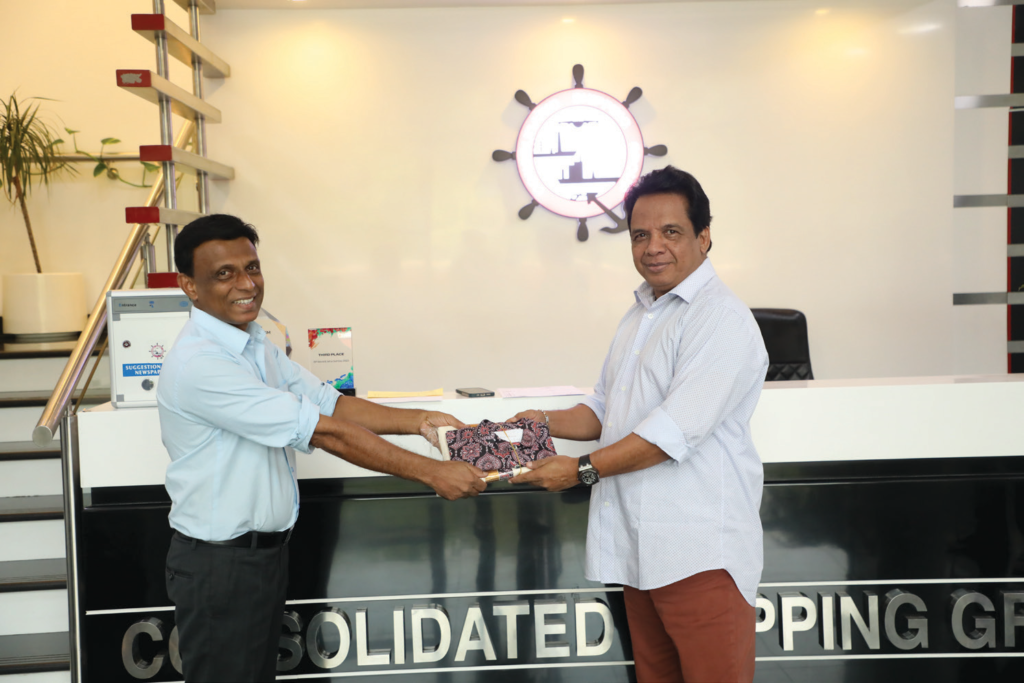
In doing so, the tradition of giving during Onam not only enriches the recipients’ lives but also deepens the sense of joy and fulfillment among the contributors, making the festival a truly heartwarming and meaningful celebration. At CSS, we wanted to showcase the spirit of giving this Onam, by presenting the staff of CSS with Onam clothes. These gifts were presented by our chairman T.S Kaladharan, Mr. Fida Asghar and Mr. Don Raveendran.

This thoughtful act not only acknowledged the significance of the Onam festival but also demonstrated a strong sense of respect for our workforce. By providing Onam clothes, our Chairman T.S Kaladharan, not only promoted a sense of unity among employees but also contributed to fostering a positive work environment, where traditions and celebrations are valued and celebrated together. This kind gesture showcased our leadership’s commitment to employee well-being, making it a meaningful and memorable moment for all. The clothes presented to our staff will be worn by them during the Onam celebrations at CSS.


SAUDI ARABIA UNVEILS AMBITIOUS PLAN FOR 59 LOGISTICS CENTERS BY 2030

Saudi Arabia has unveiled an extensive master plan aimed at developing 59 logistics centers across the nation as part of its broader National Transport and Logistics Strategy.
This initiative is a crucial step towards positioning the kingdom as a leading global logistics hub. Crown Prince Mohammed bin Salman announced that all centers are expected to be completed by the end of this decade, emphasizing the kingdom’s commitment to this ambitious project.

Diversifying the Economy and Attracting Foreign Investment

The primary objective of this logistics infrastructure development is to diversify Saudi Arabia’s economy and attract foreign direct investment. While specific financial details of the master plan were not disclosed, it forms an integral part of a comprehensive set of initiatives outlined by the National Transport and Logistics Strategy. Prince Mohammed, who also serves as the chairman of the Supreme Committee for Transport and Logistics, highlighted the strategic importance of this strategy. He stressed that it aims to bolster partnerships with the private sector, create job opportunities, and establish Saudi Arabia as a global logistical powerhouse, benefiting from its strategic location connecting Asia, Europe, and Africa.

Key Details of the Master Plan

Under the master plan, the 59 logistics centers will collectively cover an area exceeding 100 million square meters. These centers are strategically distributed, with 12 planned for Riyadh and Makkah regions, 17 in the Eastern region, and 18 spread across the country. Currently, 21 centers are in progress, with all centers slated for completion by 2030.

The successful implementation of these logistics centers will significantly enhance the efficiency of Saudi industries in exporting their products. It will also play a vital role in supporting the ecommerce sector by facilitating seamless connections between logistics centers and distribution hubs across various regions, cities, and governorates.

“The plan is part of a package of continuing initiatives set as targets by the [NTLS] … with the aim of developing the logistical sector to support the economy, increase the local, regional and international connections of the international trade networks and global supply chains,” Prince Mohammed, who is also chairman of the country’s Supreme Committee for Transport and Logistics, said.

The strategy will help the kingdom boost “the partnership with the private sector, and thus increase the opportunity to generate jobs, and make of the kingdom of Saudi Arabia a global logistical hub, given its geographical location among three important continents: Asia, Europe and Africa”, he added.

The National Transport and Logistics Strategy (NTLS), launched by His Royal Highness Crown Prince Mohammed bin Salman aims to solidify Saudi Arabia’s position as a global logistics hub connecting three continents, in addition to upgrading all means of transportation, enhancing integration in the logistics system and supporting the comprehensive development process in Saudi Arabia, the paper said. NTLS is one of key goals of Saudi Vision 2030, a government program launched by the Kingdom of Saudi Arabia that aims to achieve the goal of increased diversification economically, socially and culturally, in line with the vision of Saudi Crown Prince and Prime Minister Mohammed bin Salman.

A Pillar of Saudi Arabia’s Economic Diversification Strategy

This endeavor is part of Saudi Arabia’s broader push to invest over 500 billion riyals ($133 billion) by 2030 to expand its transport sector. The kingdom is planning more than 300 projects in transport and logistics through partnerships with local and international private sectors. The comprehensive plan includes the launch of new airlines, expansion of airports, expansion of the railway network, increasing port capacity, and development logistics hubs throughout the kingdom.

A key goal of this strategy is to increase the contribution of the transport and logistics sectors to the national gross domestic product (GDP) to 10% by the end of this decade, up from 6% in 2021. Furthermore, it aims to boost the sectors’ annual contribution to non-oil revenue to 45 billion riyals by 2030, aligning with Saudi Arabia’s efforts to diversify its economy and reduce its dependence on oil.

Strong Economic Growth and Diversification Efforts

Efforts Saudi Arabia’s economy recorded impressive growth in 2022, expanding by 8.7%, making it the fastest-growing among the world’s 20 largest economies. This growth was primarily driven by a surge in oil prices and the robust performance of the non-oil private sector. However, growth is expected to moderate to 1.9% in the current year, primarily due to lower oil production, according to estimates from the International Monetary Fund (IMF).

The logistics services sector is emerging as a promising pillar of economic diversification and development in Saudi Arabia. It is currently witnessing significant initiatives and major developments aimed at expanding its economic and developmental contributions. The Ministry of Transport and Logistics is actively working to develop the logistics industry, enhance export strategies, expand investment opportunities, and foster partnerships with the private sector, all in alignment with the broader goals of Vision 2030.

CHATBOTS CAN NOW TELL YOU WHERE YOUR SHIPMENTS HAVE REACHED

Understanding how Generative AI can be used in logistics, its applications and limitations.

Logistics companies are slowly but surely integrating artificial intelligence (AI) technology into their operations. However, they are cautious about adopting chatbots that are common in the retail space today.

Company executives acknowledge the potential cost savings and efficiency benefits associated with tools like ChatGPT, a form of generative AI. Nevertheless, they are prioritizing ensuring that this digital approach doesn’t lead to customer frustration, particularly for clients handling substantial shipping volumes involving goods worth millions of dollars, across the globe.

Harnessing The Power of Generative AI into Customer Service

Prominent companies such as Freight brokerage RXO,  trucking firm XPO, logistics technology provider Phlo Systems, and shipping company DFDS are actively exploring how generative AI can transform their customer service divisions. Their focus includes automating tasks like shipment tracking, load booking, and import declarations.

The quest to incorporate generative AI into operations began after OpenAI introduced its ChatGPT bot in November this year. This technology, along with similar offerings, has the ability to process vast datasets, recognize patterns, make predictions, and respond to queries in a conversational manner, significantly reducing the time required to complete tasks.

Other Areas Where AI can help

Generative AI has already found applications beyond logistics. Law firms utilize it for legal research and document drafting, retailers deploy it to analyze customer search queries and offer relevant product recommendations, and travel companies like Expedia use chatbots for trip planning. Grocery retailers like Instacart also employ AI chatbots to provide answers to customer inquiries regarding recipes.

Logistics companies envision the future use of generative AI in enhancing forecasting, procurement, inventory management, and shipping decisions. Currently, their primary focus is on experimenting with these tools in customer support, leveraging their capacity to understand plain conversational language and provide rapid, comprehensive responses. Experts foresee generative AI enhancing the customer experience by delivering tailored responses within minutes, in contrast to traditional chatbots with preset answers or human workers who require more time to find suitable responses.

Limitations and Apprehensions in Using AI

However, generative AI has limitations. The technology is in its nascent stages and is still evolving. The chatbot is only good as the information that it has been fed on. In fact, there have been instances when the chatbot has given wrong answers to queries. Additionally, security concerns arise when using proprietary data or customer information to train AI systems, leading some companies to restrict their employees from using such technology.

The stakes are particularly high when applying generative AI to supply-chain decisions, given the complexity and proprietary nature of the data involved. In logistics customer support, the challenge lies in facilitating the movement of large shipment volumes via various modes of transportation (aircraft, trucks, trains, and containerships) while dealing with fast-changing and intricate data.

AI Adoption in Logistics Companies

Jared Weisfeld, Chief Strategy Officer at RXO based in Charlotte, North Carolina, highlights the delicate balancing act involved in using generative AI with retail and industrial clients. He points out, ““When you think about what could go wrong over the life of the load, you as a carrier, you as a shipper, sometimes you don’t necessarily want to be talking to a chatbot.”

Weisfeld said that RXO is actively exploring methods to automate various tasks, including customer support and load booking, especially for small and medium-sized businesses. Such automation can lead to quicker responses to customer queries and free up the company’s sales staff to concentrate on acquiring new clients.


However, RXO plans to maintain the option for clients to interact with a human representative. “You can’t have a shipper go ahead and log on to the system where the order’s late and you’re pinging a chatbot. You need a hybrid approach,” Weisfeld said.

The central concern for RXO revolves around enhancing the efficiency of their personnel while ensuring that their efforts contribute to making customers’ lives more convenient rather than complicating matters further.

At the core of RXO’s strategy lies the fundamental question: “How do we enhance the efficiency of our workforce while simultaneously simplifying our customers’ experiences?” expressed by Jared Weisfeld, the Chief Strategy Officer at RXO.

Jonathan Wright, Global Managing Partner of Finance and Supply Chain Transformation at IBM Consulting, emphasizes that for AI technology to gain widespread acceptance, supply-chain managers must place complete trust in it when making decisions regarding goods orders, inventory management, and supplier negotiations. Jonathan Wright highlighted, ““We have to have understanding and knowledge of what AI I’m using, what data I’m using and really tight governance around that,” Wright said. “In our personal life, we might be comfortable with 80, 90% correctness. In our business world, it’s got to be tight—110%.”

AI in Software Development, Trucking and Customs

XPO, a trucking company, intends to train an in-house version of a ChatGPT-like bot to enable customers to track freight, receive rate quotes, and initiate shipment pick-up requests. Jay Silberkleit, XPO’s Chief Information Officer, emphasizes their commitment to keeping data private and ensuring the relevance and accuracy of responses through stringent control over data usage

The Britain-based Phlo Systems has recently introduced an AI-powered chatbot for customs declarations, replacing a previous system reliant on a list of frequently asked questions, said Chief Executive Saurabh Goyal. The chatbot offers straightforward responses to inquiries, such as the type of declaration needed for importing fish from a European country. Currently, the chatbot handles approximately 70% to 80% of queries, with the remainder escalated to human staff for resolution.


DFDS, a regional shipping company in Denmark, has initially employed generative AI for software development, with an eye toward potential future applications in customer support. Rune Keldsen, the company’s Chief Technology Officer, underscores the need for sensitivity regarding the quality of responses generated by generative AI, “What we need to be very sensitive about is, what is the quality of the answers you can get out of generative AI? Generative AI is very strong at large data sets and crunching large amounts of data, but it’s less strong at ensuring the predictability of the answers that come out.”

From tracking shipments and booking loads to simplifying customs declarations, generative AI is already finding applications that streamline operations.

As logistics companies venture into the realm of generative AI, they do so with cautious optimism. The promise of cost savings, operational efficiency, and enhanced customer experiences is compelling, but the stakes are high in an industry where precision is paramount.

OMAN PIONEERS SEA-TO-AIR CARGO LINK VIA SALALAH AIRPORT

In a groundbreaking move, Oman Airports, a state-owned entity under the Oman Investment Authority, has successfully launched a test flight for a sea-to-air cargo operation through Salalah Airport. This initiative marks a significant milestone in Oman’s transportation and logistics sectors, bridging the divide between maritime and aviation logistics.

Seamless Integration via Sea and Air Transport

The journey commenced with three shipping containers departing from Colombo, Sri Lanka, destined for Salalah Port. After a smooth voyage, the containers arrived at Salalah Port, marking the successful completion of the maritime leg of this innovative transportation endeavor.

The next phase involved the efficient and secure transfer of the cargo by land from the port to Salalah Airport, ensuring the shipment’s integrity. From Salalah Airport, the cargo departed via air for Egypt’s Cairo International Airport (CAI), demonstrating the practicality and viability of this new sea-to-air cargo connection.


Significance of the Sea-to-Air Link

This pioneering sea-to-air cargo link represents Oman’s first of its kind, showcasing the nation’s commitment to advancing its transportation and logistics sectors. By seamlessly connecting sea and air transportation modes, Oman Airports aims to optimize logistics operations, reduce transit times, and offer a practical logistics solution, especially beneficial for industries requiring time-sensitive handling, such as perishables, pharmaceuticals, and high-value products.


This pioneering sea-to-air cargo link represents Oman’s first of its kind, showcasing the nation’s commitment to advancing its transportation and logistics sectors. By seamlessly connecting sea and air transportation modes, Oman Airports aims to optimize logistics operations, reduce transit times, and offer a practical logistics solution, especially beneficial for industries requiring time-sensitive handling, such as perishables, pharmaceuticals, and high-value products. This innovative integration of sea and air cargo operations signifies a transformative step forward for Oman’s transportation and logistics industries, promoting efficiency, reliability, and competitiveness in the global market. It is poised to create new opportunities for businesses operating in time-critical sectors and strengthen Oman’s position as a logistics hub in the region.

Page1 … Page5

CSS Newsletter

In this issue:

Quick Links

  • Home
  • About
  • Services
  • News Media
  • Careers
  • Contact us
  • Corporate Brochure
  • CSS Corporate PPT
  • Lighthouse
  • News Hub
  • Privacy Policy
  • Cookie Policy
  • Disclaimer
  • T&C’s

Locations

  • Dubai
  • Abu Dhabi
  • Sharjah
  • Ras Al Khaimah
  • Bahrain
  • Oman
  • Qatar
  • Saudi Arabia
  • Kuwait
  • Kenya
  • Turkey
  • India

Subscribe to our bi-monthly newsletter, Lighthouse

  • Follow Us
© 2026 CSS Group. All rights reserved. Crafted with by Netventure