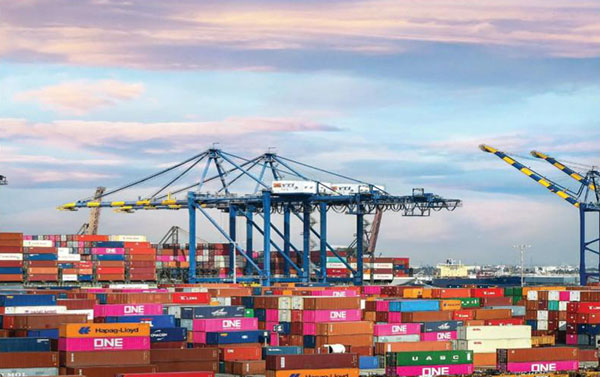
Sultanate Of Oman, situated on the southeastern coast of the Arabian Peninsula, with its rich culture and diverse landscape have a unique impact on its logistics sector. The country’s strategic location at the crossroads of East and West makes it an ideal hub for international trade.
Culturally, Oman’s long-standing tradition of trade and maritime expertise is reflected in its modern logistics practices. The nation’s commitment to hospitality, efficiency, and innovation drives the high standards of service provided by companies like Consolidated Shipping and Trade Services L.L.C. By blending traditional values with cutting-edge technology, Oman continues to strengthen its position as a key player in the global logistics industry.
Expansion of Maritime Infrastructure
The Gulf region’s extensive investment in port infrastructure, such as Oman’s Sohar Port, Duqm and Salalah Port, is pivotal. These expansions not only increase capacity but also enhance efficiency through advanced technologies and streamlined operations.
Technological Innovations Driving Efficiency
Technological advancements like blockchain, Internet of Things (IoT) are revolutionizing logistics in Oman and the Gulf. These technologies optimize supply chain visibility, predictive analytics, and inventory management, thereby reducing costs and improving delivery times.
Rise of E-commerce and Last-Mile Solutions
The rapid growth of e-commerce is reshaping logistics demands. Companies are investing in robust last-mile delivery solutions and warehousing facilities to meet the evolving consumer expectations for speed and reliability.
Sustainable Logistics Practices
There is a growing emphasis on sustainability in the logistics sector. Oman and Gulf region are increasingly adopting green logistics practices, including renewable energy use, electric vehicles, and carbon-neutral initiatives, aligning with global environmental goals.
Government Policies and Trade Agreements
Government policies and regional trade agreements play a crucial role in shaping logistics trends. Initiatives aimed at reducing trade barriers and enhancing infrastructure connectivity are facilitating smoother movement of goods across borders.
Challenges and Future Outlook
Despite these advancements, challenges such as infrastructure gaps, geopolitical tensions, and regulatory complexities remain. However, with proactive measures and collaborative efforts between public and private sectors, the outlook for logistics in Oman and the Gulf region remains promising.
In conclusion, the logistics industry in Oman and the Gulf region is experiencing transformative changes driven by technological innovation, infrastructure developments, and sustainability initiatives. As these trends continue to evolve, stakeholders must adapt to seize new opportunities and overcome challenges, ensuring the region’s position as a global logistics hub. In Oman, these changes have been met with proactive strategies to enhance efficiency and resilience. Consolidated Shipping and Trade Services L.L.C has embraced digital transformation, incorporating advanced tracking.
Consolidated Shipping and Trade Services L.L.C is a pioneering force in Oman’s shipping and logistics sector, offering a wide range of services including LCL consolidation, air freight, sea freight, and project logistics. CSS Oman expertise, global network, customer-centric approach, and advanced technology make them the preferred choice for businesses looking for reliable and efficient logistics solutions. Whether it’s a small consignment or a large-scale project, CSS Group is dedicated to delivering excellence and ensuring the seamless movement of goods across the globe.
In the realm of logistics, few tasks are as challenging as the transportation of heavy-lift cargo to complex markets. Our team recently accomplished an impressive feat by delivering two 100-ton heavy-lift items and accessories, totaling approximately 750 cubic meters (CBM), to Iraq in the Persian Gulf. This project exemplified our dedication to meticulous planning, coordination, and seamless execution.
Transporting such massive cargo is no small task, especially when navigating the intricate market of Iraq. The region presents unique challenges, from complex legal requirements to intricate documentation processes. To address these challenges, our team engaged in comprehensive planning and coordination, ensuring the safe loading and transportation of the cargo with a timely arrival at its destination.
One of the key components of this project was the advanced arrangement of all necessary documentation and legal requirements. By anticipating potential hurdles and addressing them proactively, our team ensured smooth clearance and direct delivery upon arrival in Iraq. This strategic approach minimized delays and ensured that the cargo reached its destination efficiently. This achievement would not have been possible without the collective efforts of our dedicated team and reliable partners. The collaboration with esteemed colleagues and trusted shipping carriers played a crucial role in the project’s success.
We extend our heartfelt gratitude to our team, shipping carriers, and colleagues for their support and dedication. Their expertise and commitment to excellence were pivotal in overcoming the challenges of this project. This successful delivery underscores our ability to handle complex logistics and sets the stage for future endeavors.
As we celebrate this accomplishment, we look forward to many more successful projects and effective handling in the future. Our team’s expertise in managing complex logistics operations positions us as leaders in the industry, and we remain committed to delivering exceptional services to our clients worldwide.
CSS eLogix is excited to announce the expansion of its fulfillment center in Jeddah, Kingdom of Saudi Arabia (KSA). This strategic move is part of the company’s broader plan to enhance its logistics and supply chain capabilities across the Middle East, reinforcing its position as a leading provider of fulfillment solutions in the region.
Strategic Significance of Jeddah
Jeddah, known as the gateway to Mecca and a key commercial hub in Saudi Arabia, is strategically located along the Red Sea. This prime location offers excellent connectivity to major shipping routes, making it an ideal site for CSS eLogix’s expanded fulfillment operations. The city’s infrastructure and access to major highways facilitate efficient distribution and logistics, ensuring timely deliveries across the region.
The expansion in Jeddah reflects CSS eLogix’s commitment to optimizing its supply chain network and better serving its growing customer base in Saudi Arabia and neighboring countries. The new facility will significantly boost the company’s capacity to handle a wide range of products, from everyday consumer goods to specialized and high-value items.
State-of-the-Art Facilities and Technology
The Jeddah fulfillment center is equipped with the latest technology and automation systems, designed to streamline operations and enhance service quality. Advanced inventory management systems, real-time tracking, and sophisticated security measures are integral parts of the facility, ensuring accuracy, transparency, and safety in all operations.
The expanded center also includes temperature-controlled zones, catering to the needs of industries such as cosmetics and garments , which require precise environmental controls. This feature positions CSS eLogix as a key player in providing specialized logistics services that adhere to strict regulatory and quality standards.
Commitment to Sustainability and Innovation
CSS eLogix is deeply committed to sustainability, and the new Jeddah facility embodies this commitment. The center is designed with energy-efficient systems and eco-friendly materials, reducing the environmental footprint of operations. The company is also exploring renewable energy options to power the facility, aligning with global sustainability goals.
In addition to its environmental initiatives, CSS eLogix is focused on innovation. The Jeddah expansion includes the implementation of cutting-edge technologies, such as AI-driven analytics for demand forecasting and optimization. These innovations help in managing inventory more efficiently and meeting the dynamic needs of customers.
Strengthening Local Partnerships and Community Engagement
CSS eLogix is dedicated to fostering strong relationships with local businesses and stakeholders in Jeddah. The expansion provides an opportunity for the company to collaborate with local suppliers, logistics providers, and service partners, thereby contributing to the local economy and creating job opportunities.
Moreover, CSS eLogix is committed to community engagement and corporate social responsibility. The company plans to initiate programs that support local education, skills development, and environmental conservation efforts, reflecting its dedication to being a responsible corporate citizen in the regions it serves.
Future Growth and Vision
The expansion of the fulfillment center in Jeddah is a significant step in CSS eLogix’s long-term growth strategy in the Middle East. It reflects the company’s vision to be at the forefront of logistics and fulfillment services in the region, offering innovative, efficient, and sustainable solutions to its clients.
As CSS eLogix continues to expand its operations, it remains focused on delivering exceptional customer service, fostering innovation, and driving operational excellence. The Jeddah facility is set to become a key hub in the company’s regional network, enabling it to meet the growing demand for reliable and high-quality logistics solutions.
CSS eLogix looks forward to a successful expansion in Jeddah, with plans to continue its growth trajectory in Saudi Arabia and the broader Middle East region. The company remains committed to its core values of customer-centricity, innovation, and sustainability, as it builds a brighter future for its business and the communities it serves.
In today’s fast-paced world of global logistics, where time-sensitive shipments are the norm, CSS Global Forwarding has made headlines with a remarkable feat. Recently, we successfully delivered a 35-ton cargo shipment to the interiors of Africa on a tight deadline, showcasing our expertise and commitment to meeting customer needs.
The task was daunting, as a massive 35-ton cargo needed to be transported from the Far East to Africa with little time to spare. With traditional shipping routes unable to meet the deadline, we at CSS Global Forwarding had to think outside the box. The team came up with a solution to charter a full flight dedicated to this single delivery. This decision highlights our flexibility and determination to meet even the most demanding schedules.
One of the standout aspects of this operation was the collaboration among our various stakeholders. Delivering to a non-operational airport added layers of complexity, as it required meticulous planning and execution. From coordinating flight permissions to ensuring ground handling readiness, every detail had to be perfect.
CSS Global Forwarding’s team worked tirelessly to align all such aspects before departure. We attribute this success to the unwavering trust and support of our partners. Their collective efforts turned a challenging situation into a triumph, demonstrating that when teams come together with a common goal, anything is possible. The cargo’s successful delivery brought smiles not only to the team involved but also to the recipients at the destination.
CSS Global Forwarding extends heartfelt thanks to all our stakeholders involved in this project. Their ability to deliver under pressure showcases the strength of our partnerships and the trust they have built over time. This achievement marks one of our finest cargo deliveries on short notice, setting a new benchmark for future operations.
In an industry where precision and timing are critical, CSS Global Forwarding’s recent achievement is an example of our dedication. By overcoming logistical challenges and delivering on our promises, we continue to set high standards in global forwarding. This successful delivery has reinforced our commitment to providing exceptional service and innovative solutions to our clients worldwide.
As the festive Onam season approaches, CSS is excited to celebrate this vibrant festival that symbolizes joy, unity, and cultural heritage. Onam is not just another occasion; it’s a time for coming together, embracing tradition, and celebrating the rich tapestry of our shared values. Here’s how CSS will be marking this special time.
The Ancient Lore of Onam
Onam is deeply rooted in the legend of King Mahabali, a wise and benevolent ruler who brought prosperity and happiness to his kingdom. According to the legend, the gods, worried about his growing power, sent Lord Vishnu in the guise of Vamana to subdue him. Despite his defeat, Mahabali was granted the boon to visit his people once a year. Onam celebrates this return, embodying the spirit of joy and unity that Mahabali represented.
The Pookalam or the Floral Carpet Competitions
One of the highlights of our Onam celebrations at CSS is the laying of the Pookalam or the stunning floral carpet. This traditional art form involves arranging a variety of flowers into intricate patterns and designs. The Pookalam not only adds a vibrant splash of color to our office but also symbolizes the warm welcome we extend to King Mahabali. This beautiful tradition transforms our offices into festive and colorful spaces setting the mood for the celebration, with this team building exercise.
Traditional Attire Day: Celebrating in Style
To fully embrace the cultural essence of Onam, CSS encourages all employees to don traditional outfits, such as the Mundu for men and Sari or Pavada for women. This dress code enhances the festive atmosphere and allows everyone to immerse themselves in the cultural celebration. It’s a visual celebration of tradition and a way to honor the rich heritage of Onam, bringing in a feeling of uniformity in diversity.
A Feast to Remember: Onam Sadya
No Onam celebration is complete without the grand feast known as Onam Sadya. This elaborate meal features an array of traditional Kerala dishes served on a banana leaf, including Sambar, Avial, Thoran, Payasam and so much more. At CSS, the sadya brings everyone together to enjoy a meal rich in flavor and filled with memories of home. The Sadya is more than just food; it’s an opportunity for us to bond and celebrate as a unified team.
Fun and Games: Embracing Tradition and Team Spirit
In addition to the feast and floral displays, our Onam celebrations will include traditional and contemporary games that are both fun and engaging. The Vadamvali (tug of war) is the highlight of the day with various teams vying to be numero uno. These games are not only enjoyable but also foster team spirit and camaraderie among employees.
Unity in Diversity: Coming Together
CSS’s Onam celebrations are designed to reflect the joy, unity, and cultural richness of this special festival. Let us come together to celebrate our heritage, strengthen our bonds, and make this Onam a memorable and joyful experience for everyone at CSS.
Dubai is all set to significantly expand its fruit and vegetable market as part of an ambitious mega project that will establish the world’s largest logistics hub for foodstuffs, fruits, and vegetable trade. This monumental initiative was unveiled by Sheikh Maktoum bin Mohammed bin Rashid Al Maktoum, First Deputy Ruler of Dubai, Deputy Prime Minister, and Minister of Finance of the UAE.
The expansion will see Dubai’s current fruit and vegetable market double in size. The project will be a collaboration between the Dubai Municipality and DP World, aiming to position Dubai as a leading destination for markets, export, and re-export operations on a regional and global scale. Sheikh Maktoum emphasized the strategic intent behind this development, noting that it will enhance commercial and investment opportunities while supporting the UAE’s food security strategy. Advanced infrastructure and facilities with the latest specifications and best standards will be offered. This in turn will create greater commercial and investment opportunities for investors while supporting the UAE food security strategy said Sheikh Maktoum.
The new logistics hub is a key component of the Dubai Economic Agenda D33, which aims to double the size of Dubai’s economy and transform it into one of the top three economic cities globally by 2033. The project will not only bolster Dubai’s economic growth but also improve the quality of life for its residents and enhance the city’s overall attractiveness and liveability.
Sheikh Mohammed bin Rashid Al Maktoum, Vice President and Prime Minister of the UAE and Ruler of Dubai, highlighted the broader economic implications of the project by stating that the expansion and doubling of the current market area will support Dubai’s economic agenda and create larger commercial and investment opportunities. DP World has been entrusted with the management, operation, and development of this market and placed with the responsibility of linking it with global markets.
The partnership between Dubai Municipality and DP World will introduce a unified trade window for all procedures and streamline the customer journey. This agreement underscores Dubai’s commitment to providing a flexible, efficient, and sustainable economic model that attracts global investment.
Sultan Ahmed bin Sulayem, Group Chairman and CEO of DP World, remarked on Dubai’s strategic location and its role as a global market for food trade. Establishing and expanding the Foodstuffs, Fruits, and Vegetables Market and launching its pioneering solutions will all act as a strong driver to maximize the benefits of this sector’s growth in achieving Dubai’s economic goals. This is what Sultan Ahmed bin Sulayem hopes for.
By linking it with global markets, the logistics hub will serve as a crucial node in the international food supply chain. It will facilitate the seamless flow of goods between producers and consumers worldwide, reinforcing Dubai’s status as a pivotal hub in global trade networks. This connectivity will attract international businesses and investors, fostering a dynamic and competitive marketplace
Dawood Al Hajri, Director General of Dubai Municipality, emphasized that the project aligns with Dubai’s efforts to enhance its competitiveness and attractiveness as a place to invest, live, and work. The initiative is expected to unlock new business horizons and provide innovative solutions to boost investment opportunities.
The expansion of the fruit and vegetable market and the establishment of the logistics hub are expected to have a profound economic impact. The project will create numerous job opportunities across various sectors, including logistics, construction, technology, and retail. This surge in employment will contribute to the overall economic prosperity of Dubai and support the UAE’s vision of economic diversification.
Moreover, the increased trade and investment resulting from the project will stimulate growth in related industries, such as transportation, warehousing, and financial services. This multiplier effect will enhance Dubai’s economic resilience and drive sustained growth in the coming decades.
A significant aspect of this mega project is the integration of advanced technology and sustainable practices. The logistics hub will incorporate state-of-the-art supply chain technologies, including AI and blockchain, to ensure efficiency, transparency, and traceability in food trade operations. This technological edge will further enhance Dubai’s position as a leader in the global logistics and trade sectors.
Environmental sustainability is also a core focus of the project. The expansion will include green building standards, renewable energy sources, and waste management systems designed to minimize the environmental footprint. This commitment to sustainability aligns with Dubai’s broader goals of promoting eco-friendly practices and achieving long-term environmental sustainability.
Looking ahead, Dubai’s strategic vision and proactive investments in infrastructure and technology position it for continued success. The fruit and vegetable market expansion and the logistics hub project exemplify the emirate’s commitment to innovation, sustainability, and economic growth. As Dubai continues to evolve, it will undoubtedly remain a key player in the global economy, driving forward with ambitious projects and strategic initiatives.
Dubai’s expansion of its fruit and vegetable market and the creation of the world’s largest logistics hub for foodstuffs signify a major step towards realizing the emirate’s economic ambitions. With advanced infrastructure, strategic partnerships, and a focus on sustainability, Dubai is set to solidify its position as a global trade hub and a magnet for investment. This project not only supports the UAE’s food security measures but also aligns with Dubai’s vision of becoming one of the top three economic cities globally by 2033.
In a bold move to harness the transformative power of Artificial Intelligence (AI), CMA CGM, a leading French shipping and logistics giant, has announced a strategic partnership with Google. This collaboration aims to integrate AI across CMA CGM’s global operations, promising to revolutionize the shipping and logistics industry by enhancing the decision-making processes, optimizing operations, and improving customer services.
CMA CGM’s partnership with Google marks a significant step in its digital transformation strategy. The collaboration focuses on developing AI tools and solutions to empower employees, streamline operations, and enhance the company’s competitive edge. “This collaboration aligns with our digital roadmap and investments, marking a crucial step in our transformation strategy. Together with Google, we will lead the digital revolution in shipping, logistics, and media, optimize our processes, and enhance our competitive edge,” stated Rodolphe Saadé, Chairman and CEO of CMA CGM.
By leveraging Google’s AI capabilities, CMA CGM plans to optimize various aspects of its operations, including vessel routes, container handling, and inventory management. The integration of AI will enable the company to ensure efficient and timely delivery of goods while minimizing costs and carbon footprints. This approach not only enhances operational efficiency but also positions CMA CGM as a leader in sustainable shipping practices.
CEVA Logistics, the logistics arm of CMA CGM, will lead the charge in adopting AI-driven solutions. The focus will initially be on warehouse smart management, utilizing Google’s technology to improve volume and demand forecasting. This will allow for better anticipation and planning, ensuring the efficient use of CEVA’s 10.3 million square meters of warehouse space.
The partnership with Google is part of CMA CGM’s broader strategy to transform its business through AI innovation. By combining its expertise in shipping and logistics with Google’s advanced AI tools and secure infrastructure, CMA CGM aims to digitally transform its operations and those of its customers. Sundar Pichai, CEO of Google and Alphabet, highlighted the potential impact of the collaboration: “This partnership is a prime example of how AI can assist employees, improve outcomes for customers, and revolutionize industries.”
CMA CGM’s move into AI comes amidst rapid expansion efforts, including the acquisition of Bolloré Logistics, the launch of branded air freight operations, and ventures into vehicle transport and passenger ferries. With a fleet of approximately 620 vessels and plans to expand further, CMA CGM is poised to become the world’s second-largest container carrier, potentially surpassing Maersk by 2026.
As CMA CGM continues to innovate and expand, its partnership with Google represents a pivotal moment in the shipping industry. By embracing AI, the company is set to revolutionize logistics, enhance operational efficiency, and deliver superior customer service. This strategic alliance not only underscores the transformative potential of AI but also positions CMA CGM at the forefront of the digital revolution in shipping and logistics.
The global container ship fleet is experiencing its fastest growth in 15 years, marking a significant expansion in reshaping the shipping industry landscape. Since the beginning of the year, the fleet’s capacity has surged by 1.6 million TEUs (twenty-foot equivalent units), representing an 11% increase from the previous year, according to Niels Rasmussen, Chief Shipping Analyst at BIMCO. This growth brings the total capacity to 29.5 million TEUs, underscoring the robust demand for container shipping.
The first half of 2024 witnessed unprecedented levels of new ship deliveries, with a total of 264 ships entering service. These ships, boasting a combined capacity of 1.6 million TEUs, represent a two-thirds increase over the same period last year when the previous record was set. This surge in capacity is driven by strong cargo volume growth and strategic rerouting of ships via the Cape of Good Hope, which has also contributed to a decline in ship recycling. Only 36 ships, with a combined capacity of 51,000 TEUs, were recycled during this period.
Despite the current high capacity, shipowners continue to place new orders, demonstrating confidence in the sustained demand for shipping services. So far this year, 63 ships with a combined capacity of 400,000 TEUs have been ordered, maintaining a high order book-to-fleet ratio of 19%. The order book is robust, with deliveries scheduled through 2028 and an average of 1.5 million TEUs expected to be delivered each year from 2025 to 2027.
The growth of the container ship fleet is primarily driven by the 12,000-17,000 TEU segment, which has expanded rapidly. This segment now accounts for 22% of the total fleet capacity and has grown by 25% year-over-year. It represents nearly half of the overall fleet’s growth and has been a key driver of expansion in recent years. This trend is expected to continue, as more than 50% of the capacity on order falls within this segment.
In contrast, ships larger than 17,000 TEUs, which dominated growth from 2015 to 2021, now make up only 17% of the current order book. These larger vessels are operationally limited to specific trade routes in Asia and Europe, and the existing fleet of 212 ships is sufficient to cover these lanes.
The container fleet’s capacity is projected to exceed 30 million TEUs for the first time by the end of the third quarter of 2024 and reach 30.5 million TEUs by year-end. By 2027, the current order book will add another 4.3 million TEUs to the fleet. However, with cargo volume growth unlikely to match this rapid expansion, an increase in ship recycling is anticipated to moderate overall fleet growth. Furthermore, if shipping routes return to the Red Sea and the Suez Canal, the demand for additional ships could decline, contributing to a more balanced market.
The rapid growth of the container ship fleet reflects the industry’s response to evolving market dynamics and increasing demand for shipping capacity. While the current expansion presents opportunities, it also poses challenges that will require careful management of fleet growth and operational strategies. As the industry navigates these changes, the focus will likely shift toward optimizing existing assets and exploring innovative solutions to meet future demand efficiently
The peak summer shipping season brings a surge in volume, worsening existing challenges such as the ongoing issues in the Red Sea region. These complications have led to significantly higher shipping costs and severe equipment shortages. As freight forwarders, it is essential to develop and implement strategies that ensure the smooth movement of goods, support customer satisfaction, and keep the industry running efficiently. Here is how we can achieve these goals.
Transparent Communication and Customer Education -Effective communication is vital in managing highshipping volumes and regional disruptions. It is crucial tokeep transparency with customers by providing regularupdates about potential delays, changes in costs, and theunderlying reasons. Educating customers about theimpact of the Red Sea issues and equipment shortages helps set realistic expectations and fosters trust. Utilizing various communication channels, such as emails, newsletters, customer portals, and direct phone calls, ensures that customers are well-informed. By keeping our clients updated and explaining the situation in detail, we can reduce frustration and build stronger, long-term relationships.
Leveraging Advanced Technology for Optimal Operations – Advanced logistics technology plays a pivotal role in managing complexities such as high shipping volumes and equipment shortages. Implementing tools like transportation management systems (TMS), real-time tracking, and predictive analytics enables us to perfect routes, manage ability efficiently, and expect potential disruptions. These technologies allow us to offer more correct delivery timelines and find alternative routes swiftly. Additionally, AI-driven analytics can help forecast demand and manage inventory more effectively, ensuring we can respond quickly to changing circumstances and keep operational efficiency. By using these technological advancements, we enhance our ability to meet customer expectations and keep the supply chain moving smoothly.
Strengthening Collaboration with Shipping Lines – Building and keeping strong relationships with shipping lines is essential, especially during high-demand periods and regional disruptions. Close collaboration with shipping carriers allows us to negotiate better terms, secure priority bookings, and access critical real-time information about vessel schedules and equipment availability. Joint contingency planning with shipping lines helps mitigate the impact of disruptions like those in the Red Sea on our operations. By working closely with shipping lines, we can ensure more reliable services for our customers, despite the external challenges. This collaboration enables us to offer solutions that keep goods moving efficiently and keep elevated levels of customer satisfaction.
Developing Flexible and Adaptive Solutions – Flexibility and adaptability are key to managing shipping challenges effectively. Offering customers multiple shipping options, such as alternative sea routes, air freight, or rail transport, can help mitigate delays and manage costs. Developing flexible strategies, like rerouting shipments through less congested ports or using different modes of transportation, ensures continuity of service. Additionally, implementing flexible warehousing solutions can help manage inventory more efficiently during transit disruptions. These adaptive measures allow us to keep an elevated level of service and customer satisfaction, even when faced with significant logistical challenges. By being flexible, we can better accommodate our customers’ needs and keep commodities moving without delay.
Enhancing Customer Support and Satisfaction – Providing exceptional customer support is critical during times of disruption. Establishing resolute support teams to manage inquiries, resolve issues, and offer real-time aid ensures that customers feel valued and supported. Implementing a robust feedback system to gauge customer satisfaction and find areas for improvement can also be beneficial. By prioritizing customer support, we can address concerns promptly and keep elevated levels of customer satisfaction. This focus on customer care reinforces our commitment to providing reliable and efficient service, even under challenging conditions. Ensuring that customers feel heard and supported can significantly improve their overall experience and loyalty.
Strategic Planning and Robust Risk Management – Long-term strategic planning and robust risk management are essential for navigating the complexities of high shipping volumes and geopolitical issues. Developing comprehensive risk management plans, including scenario planning, emergency response strategies, and diversified supply chains, can help mitigate the impact of disruptions. Regularly reviewing and updating these plans ensures we are prepared to manage any crisis effectively. By being initiative-taking rather than reactive, we can better manage risks and keep a steady flow of goods. This approach not only helps us manage current disruptions but also strengthens our ability to manage future challenges, ensuring long-term operational efficiency and customer satisfaction.
The high summer shipping volumes combined with Red Sea issues and equipment shortages present significant challenges for the freight sending industry. However, through transparent communication, using advanced technology, strengthening collaboration with shipping lines, developing flexible solutions, enhancing customer support, and practicing robust strategic planning, we can navigate these challenges effectively. These strategies ensure that the industry continues to move efficiently, keeping commodities flowing without delays and keeping customer satisfaction. By focusing on these areas, we reinforce our position as dependable and customer-centric freight forwarders, capable of managing disruptions and delivering exceptional service in the face of adversity.
Dubai has rapidly emerged as a global leader in trade and logistics, capitalizing on its strategic location, world-class infrastructure, and favourable trade policies. This thriving city stands out as a pivotal hub connecting the East and West, providing efficient pathways for goods to travel by road, air, and sea. The logistics sector significantly contributes to about 14% of the UAE’s GDP—a figure poised for further growth.
Dubai’s geographical positioning offers an unparalleled advantage for trade. Situated at the crossroads of major global trade routes, it serves as a central node for connecting markets across Asia, Europe, and Africa. This strategic location is complemented by an extensive network of interlinked highways, seaports, and airports that facilitate swift and cost-effective transportation of goods.
One notable example is the customs-bonded road connecting the Jebel Ali Port with Dubai World Central (DWC), streamlining cargo movement between the Al Maktoum International Airport and other transport hubs. The Jebel Ali Port, the largest in the Middle East and the 10th largest globally, exemplifies Dubai’s infrastructural prowess, with the capacity to handle 19.3 million Twenty-Foot Equivalent Units (TEU). This port serves as a gateway to key markets in the Indian subcontinent, Africa, and the Gulf, attracting numerous companies eager to leverage its connectivity.
Dubai’s role as a shipping hub is further reinforced by the operations of DP World, a logistics giant responsible for moving about 10% of global trade. By embracing cutting-edge technologies and innovative solutions, DP World enhances global supply chain efficiencies through its port-centric logistics services, maritime operations, and free trade zones. Their investment in Hyperloop technology—a revolutionary cargo transport system—highlights Dubai’s commitment to pioneering new methods for seamless goods movement.
Additionally, the government is heavily investing in the rapidly growing maritime industry segments of container logistics and dry bulk cargo handling. Such efforts underscore Dubai’s ambition to become a leading global shipping hub.
The development of free zones, such as the Jebel Ali Free Zone (Jafza), plays a crucial role in bolstering Dubai’s logistics capabilities. Jafza spans 3.85 million square meters, providing extensive warehouse and office spaces. Its unique sea-land-air logistics corridor enables swift cargo transitions between sea and air, bypassing customs checks. The recent inauguration of Maersk Kanoo UAE within Jafza underscores the zone’s strategic importance.
A key initiative enhancing Dubai’s logistics leadership is the World Logistics Passport (WLP). This groundbreaking freight loyalty program aims to eliminate trade barriers, optimize existing routes, and establish new ones, thereby strengthening global supply chains. As part of the Dubai Silk Road strategy, the WLP offers various operational and financial incentives, facilitating increased trade between emerging markets. Partner countries gain access to DP World’s global network of ports and economic parks, alongside Emirates Group’s Dnata and SkyCargo services.
Dubai International Airport ranks among the busiest worldwide, connecting the city to over 240 destinations. Meanwhile, Dubai World Central (DWC), positioned as the airport of the future, is set to handle over 160 million passengers and 12 million tonnes of cargo annually upon completion. Emirates SkyCargo, the airfreight division of the Emirates Group, is the world’s largest cargo airline, serving 50 dedicated freight locations and supporting global trade through its Emirates SkyCentral hub in Dubai.
With continuous investments in infrastructure, rail development, and expansion initiatives, Dubai’s logistics industry is poised for robust growth, driven by increasing foreign direct investment (FDI). As global trade opportunities expand, so will the demand for logistics and warehousing, further cementing Dubai’s status as a pivotal logistics hub.
Dubai’s commitment to innovation, strategic development, and international collaboration ensures its enduring role in serving the logistics needs of the world, making it a beacon of global trade and connectivity.
Bhanu Nazir
Manager
Operations & Customer Service – CSS Bahrain “Bhanu is nominated because he is handling both Operational offices BAH & KSA with a full smiley face and without any complaint , he is dedicating him self for the fastest reply everytime is needed.” Awarded By May Jammal – General Manager
CSS Bahrain
Abhiram Hrithwik
Airfreight Executive, Airfreight – CSS Dubai “Commitment to work ,Adheres to the deadlines, pro active. Appreciation from the customer.” Awarded By Rowan Coelho
Assistant General Manager (Airfreight)
A perfect storm seems to be brewing in the global trade scenario with increased ocean freight rates and limitations in container capacities. There are talks that freight rates might even touch the heights it reached during the pandemic era.
Rising Freight Rates
According to Xeneta, the leading ocean and air freight rate benchmarking and market analytics platform, the Far East to North Europe route saw a 30% increase from April to May. Rates from the Far East to the US West Coast rose by 29% in the same period, 214% higher than the previous year. Global spot rates for air freight have also surged. The rise in shipping rates can be attributed to fluctuating demand, port congestion, and geopolitical tensions.
The Red Sea Situation
The complexity of the situation in the Red Sea has intensified forcing cargo vessels to lengthen their journey, resulting in additional time and costs to get the cargo to its destinations. Other effects include bottlenecks in sea routes along with delays, and equipment and capacity shortages.
Moving Forward with Agility
Logistics powers global economies. However, logistics service providers face increased disruptions and uncertainties in the post-pandemic era. On the positive side, this has helped the industry to focus on risk and resilience. The current scenario demands a collective effort and strategic agility from all of us. At CSS, we are committed to overcoming these obstacles, ensuring seamless and efficient delivery for our clients and partners. By staying informed and adaptable, we can mitigate the adverse effects on our operations. We have leveraged advanced analytics and real-time data to make informed decisions, optimize routes, and manage costs effectively.
The CSS CSR Initiatives
With the start of the new academic year, it’s that time of the year when we see children carrying their school bags, packing their lunch boxes, and marching into school gates. Every year, the CSS Group gifts school bags, umbrellas, and pencil boxes to the children of the pre-primary and primary grades in schools in Kerala. We also organize a delicious lunch at the schools, wholeheartedly enjoyed by the students, teachers, and parents. As an initiative of the company’s CSR efforts, it reflects our commitment to giving back to society and fostering a nurturing environment for future generations.
Leadership Through Personal Growth
The book “The Journey of Leadership” written by four McKinsey senior partners is a must-read. It reveals why leaders must first connect with themselves. At CSS, every person is a leader. We need to embrace personal growth to inspire and empower our teams. The book throws light on the inside-out leadership journey emphasizing the importance of self-awareness, empathy, and resilience. By focusing on these qualities, we can lead our organization with authenticity and vision. This approach not only enhances our leadership capabilities but also fosters a culture of trust and collaboration within our teams, driving overall success and innovation.
In these times of unprecedented challenges and opportunities, our commitment to excellence and innovation remains unwavering. By understanding the complexities of the container crunch, adapting to the driving factors behind shipping rate surges, and cultivating a leadership style rooted in personal growth, we are well-positioned to navigate the future. Together, we will continue to deliver exceptional value to our customers and stakeholders, reinforcing our position as a leader in the logistics industry.
Thank you for your continued support and dedication.
Breakbulk Europe continues to be a monumental event in the shipping industry, consistently bringing together global players in the sector. After the success of Breakbulk Europe 2023, the next edition of Breakbulk Europe was held on 21-23 May 2024 in Rotterdam Ahoy. This gathering featured 4,663 companies, including 444 network members and 534 exhibitors, representing a broad spectrum of the shipping and logistics industry. Notably, 94% of participants were already committed to the 2024 event, underscoring its significance and success.
The top three countries by attendance were the Netherlands, Germany, and Belgium, with substantial representation from China, India, Turkey, UAE, Brazil, and Singapore. The event attracted companies from various sectors, such as Freight Forwarding, Maritime Transport, Ports and Terminals, Cargo Ownership, Road Transport Services, Industry-Related Services, Equipment Providers, IT Products and Services, and Air Transport. This diverse participation highlighted the comprehensive nature of Breakbulk Europe and its importance as a convergence point for industry leaders.
Breakbulk Europe 2024 was a hub of activity, featuring numerous events designed to facilitate networking, learning, and collaboration. A total of 642 shippers attended, providing a unique opportunity for the CSS team to engage with some of the industry’s most influential decision-makers. Breakbulk Boulevard saw 1,400 guests networking beyond the exhibition floor, while the special Women in Breakbulk breakfast hosted over 150 inspiring women. Additionally, an exclusive Rotterdam boat tour provided a unique networking venue for 250 guests.
Innovation was a key theme at the Breakbulk Futures Zone, where leading industry innovators showcased their latest products and services. The event also emphasized education, with 14 main stage sessions featuring over 52 speakers, Breakbulk Futures sessions with 13 speakers, chartering workshops mentored by the Institute of Chartered Shipbrokers, and an Education Day involving 191 students.
Consolidated Shipping Services (CSS) has been a proud participant of the Breakbulk event for several years, and 2024 was no exception. Led by Mr.Midhun and Mr.Robin from CSS Dubai and Mr.Vijay, Mr.Himanshu and Mr.Mahek from CSS Global Forwarding India, the CSS team made a significant impact at the event.
CSS’s project team, known for their expertise and in-depth knowledge of the shipping domain, adeptly handled breakbulk and project cargo, seizing numerous opportunities across the Middle East and Indian regions. The event further cemented CSS’s prowess, with several new prospects in the pipeline. The team plans to leverage the insights and key takeaways from Breakbulk Europe to innovate and enhance their future projects.
It was a great closure at the final days at Breakbulk Europe, GPLN, and THLG Meetings. It was wonderful to see so many colleagues, close friends, and well-wishers from around the globe. The support and wishes for long-term growth were truly a blessing. Being surrounded by like-minded individuals was inspiring, and CSS is excited about the future opportunities that lie ahead.
The Breakbulk event provided CSS with an invaluable platform to forge strategic alliances and network with global companies. It also offered a venue for discussing the latest developments and technologies in handling breakbulk and project cargo. The knowledge and experiences gained at Breakbulk Europe have empowered the CSS team to develop new ideas and create innovative solutions for future projects.
Participating in Breakbulk Europe 2024 was both memorable and enjoyable for the CSS team. The insights gained and the connections made have strengthened the team’s capabilities, ensuring they are well-prepared for upcoming projects. As the team looks forward to the Breakbulk 2025 event, scheduled for May 13th to 15th they are excited about the potential for further growth and innovation.
CSS remains committed to excellence and innovation in the shipping industry, and its continued participation in Breakbulk Europe is a demonstration of its dedication to staying at the forefront of industry developments. With the strong foundation built at Breakbulk 2024, CSS is poised for even greater achievements in the future.
Rakesh Iykkara Menon has just completed an impressive 26 years at CSS. Reflecting on this remarkable milestone, he said, “I cannot believe it is already 26 years. Time flies when you are doing a great job, along with a wonderful team and the right management. Having CSS as part of my life for such a long time has been an honour and pleasure.”
Rakesh’s success story is a testament not just to his efforts, but also to the incredible support he has received from his colleagues, customers, and mentors. He extends his heartfelt thanks to all those who have been a part of his journey at CSS. Their guidance, encouragement, and contributions to his professional development have been invaluable, and he is deeply appreciative of their role in his success.
Rakesh’s career at CSS began with a modest role as a Sales Executive. Through dedication, hard work, and continuous learning, he rose to become the Director of Sales. His journey at CSS could not have happened without his commitment and the supportive environment at CSS that nurtures talent and encourages growth.
As someone from Generation X, Rakesh sometimes smiles when he participates in or hears discussions about “job-hopping Millennials.” In an era where changing jobs frequently is common, Rakesh feels fortunate to have found a steady job and satisfaction at CSS. His long tenure at the company highlights the value of loyalty and the benefits of growing within a single organization.
He also acknowledged a particular person who believed in him but didn’t hesitate to give him overnight assignments and training to enhance his shipping knowledge. This blend of belief and rigorous training has played a crucial role in shaping his expertise and career at CSS.
Even after 26 years, Rakesh’s passion for learning remains undiminished. He is deeply appreciative of the ongoing opportunities for growth and development at CSS, which have played a significant role in his journey. His story is a testament to the power of lifelong learning and the positive impact of a supportive and challenging work environment, inspiring us all to continue growing and evolving in our roles.
His 26-year journey at CSS is not just a personal achievement but a remarkable example of how dedication, growth, and the power of a supportive workplace can lead to significant development. From his humble beginnings as a Sales Executive to his current role as the Director of Sales, his story is a beacon of inspiration for all of us. As he continues to learn and contribute to the company, his experience and insights remain invaluable, making us all proud to be a part of CSS.
The largest gathering of Non-Vessel Operating Common Carriers (NVOCC) and Less-than-Container Load (LCL) Cargo Network, known as the NEPTUNE Conference, was successfully concluded at the picturesque Le Meridien Phuket Beach Resort in Phuket, Thailand, from May 16-19, 2024. This year’s conference marked a significant milestone, bringing together 400 Consolidators and LCL Forwarders from around the globe, making it the largest NEPTUNE conference to date.
The event brought together Consolidators, Non-Vessel Operating Common Carriers (NVOCCs), and Less-than-Container Load (LCL) forwarders from around the globe. With a shared mission to enhance the global logistics and forwarding community, attendees engaged in various activities designed to strengthen existing partnerships and forge new ones.
About the Neptune Cargo Network
Neptune Cargo Network, the first and biggest global NVOCC and LCL cargo network, stands at the forefront of connecting sea freight professionals specializing in sea freight consolidations. As the only network dedicated to linking consolidators on a non-exclusive platform, it brings together over 215 Consolidators and LCL Forwarders from across the globe. This unique network facilitates unparalleled opportunities for collaboration, enabling members to strengthen partnerships, share insights, and enhance their operations within the global logistics industry. By fostering a community of experts, Neptune Cargo Network continues to lead the way in connecting and empowering sea freight professionals worldwide.
Events at the Neptune Cargo Network
The schedule was meticulously planned to balance business and leisure. Here’s a detailed look at what happened at the event. Before the conference officially began, attendees were treated to the Neptune Fellowship Golf Game at the Loch Palm Golf Club. Despite the sweltering heat and humidity, participants displayed remarkable skill and sportsmanship.
Day 1: Welcome Cocktail
The event started with a welcome cocktail reception, where delegates could network in a relaxed, informal setting. This initial gathering set the tone for the following days, fostering a spirit of camaraderie and collaboration. The Neptune Welcome Cocktail set a lively tone for the conference, with delegates donning their best tropical or beach attire. The “Around the World Bottles” activity was a highlight, allowing members to share and enjoy unique beverages from their home countries.
Day 2: Face-to-Face Meetings
Day two was dedicated to intensive face-to-face meetings with consolidators from around the world. These sessions provided a platform for delegates to discuss current challenges, share insights, and explore potential business opportunities. The structured yet flexible format allowed for meaningful and productive interactions.
Day 3: Cultural Exploration and Meetings
The third day offered a blend of cultural immersion and professional engagement. Attendees embarked on a visit to the iconic Big Buddha, one of Phuket’s most revered landmarks. This excursion showcased the island’s rich cultural heritage and offered a unique setting for informal networking. Following the cultural tour, the delegates resumed their meetings, delving deeper into discussions on logistics strategies, market trends, and collaborative projects. The synergy of combining cultural exploration with business meetings underscored the holistic approach of the Neptune Cargo Network.
Day 4: Continued Meetings and Closing Cocktail
The final day featured additional meetings, allowing participants to finalize discussions and outline actionable plans. The event concluded with a closing cocktail, celebrating the successful interactions and the promising future collaborations. This celebratory gathering was a testament to the strengthened bonds within the network.
The ‘Newbie Open Mic’ session provided a platform for new members to introduce themselves and their companies, fostering a sense of community and collaboration from the outset. The conference also took the time to honor its loyal members with Loyalty Awards. A panel discussion featuring industry experts offered valuable insights into the industry’s current trends and challenges. The heart of the conference, the ‘Face-to-Face Meetings,’ saw over 400 Consolidators and LCL Forwarders reconnecting and forming new partnerships, highlighting the conference’s role as a pivotal platform for business growth and development.
The NEPTUNE conference not only facilitated business partnerships but also fostered priceless and unconditional friendships among attendees, underscoring the importance of collaboration, community, and the shared goal of advancing the global NVOCC and LCL cargo industry.
CSS at the Neptune Cargo Network
Ranjith Haridas, Manager of Sales – NVOCC, and Shubham Lalwani, Manager of the Key Information Desk, proudly represented CSS Group, highlighting their significant contributions to the Neptune Cargo Network. During the event, CSS Group was honored with a trophy for their unwavering loyalty and partnership over the past five years.
Conclusion
The 2024 Neptune Cargo Network Annual Partnership Meeting in Phuket was more than just a conference; it was an enriching experience that combined professional development with the allure of a tropical paradise. Attendees left with not only new business insights and contacts but also cherished memories of their time on one of Thailand’s most beautiful islands. As the Neptune Cargo Network continues to grow and evolve, events like these play a crucial role in fostering a global community of logistics professionals. The success of the Phuket meeting sets a high benchmark for future gatherings, promising even more impactful and enjoyable experiences in the years to come. As delegates departed Phuket, they left with renewed connections, fresh insights, and the anticipation of future gatherings that will continue to build on the success of this year’s landmark event.
This year, Pooram was celebrated on May 19th and 20th, 2024. Mr Radhakrishnan (RK) from CSS Group was privileged to speak about Thrissur Pooram for a global audience on television channels. It has been his ninth year as a commentator for this event on popular television channels. He spoke particularly about the ‘Kudamaatom’ which is a swift and rhythmic changing of colored and sequined parasols. This is a major event, where Thiruvambady and Paramekkavu deities on caparisoned elephants meet face to face titled as the “Divine Durbar.”
Thrissur Pooram was choreographed by the ruler of Cochin State, H.H.Rama Varma, popularly known as “Sakthan Thampuran”, two centuries ago.
On the day of Pooram, when the ceremonial fireworks resonate, an intense fervor grips the magnificent city. The world converges on Thrissur’s grounds day and night. For each Thrissurite, no matter where they are, the day of Pooram draws them back to the corridors of Thrissur. Their eyes, ears, and hearts will be roaming around in their homeland. The exciting processions, the tantalizing melam, the mesmerizing fireworks, the alluring elephants…. days and nights are forgotten in the festivities.
Thekkinkadu, shining in the light of the beautifully decorated ‘pandals’ (temporarily erected man made structure illuminated with colors and lights) and the torchlights along with the elephant’s caparison or ‘nettippattam’ lures us again into the grandeur of tradition.
After the declaration of pooram by the supporting temples a week before the festival, each Thrissurite’s heart resonates with excitement, “We must go to Thekkinkadu Maidan, and it’s here where the celebrations happen ! All the eyes and hearts around the World are focused to the Swaraj Round of Thrissur with excitement”.
The unparalleled beauty of Thrissur Thekkinkadu ground shines through in the scorching heat. The Malayalam month ‘medam’ is the hottest in Kerala, the most spectacular and divine festival show on this planet, the Thrissur Pooram is celebrated on the ‘Pooram Naal’ (Malayalam day) of this month which falls during April – May.
Situated right in the middle of the city is Thekkinkadu Maidanam (Ground) sprawls over a large part of the city with a temple in the middle of the maidan, Vadakkunnathan, where everything comes together. Traditionally, two groups representing the main geographic divisions of Thrissur, Paramekkavu Temple and Thiruvambady Temple along with eight other supporting temples are the participants of Thrissur Pooram. The supporting participating poorams are normally called Mini Poorams.
The mini poorams arrive spreading color and vigor to the city of Thrissur through the royal pathways… Thiruvambady’s Madathil varavu… the throbbing sound of Panchavadyam… Paramekkavu’s grand procession… the fierceness of the melam under the ilanji tree at Vadakkunnathan… the music intensifes and thousands of fingers rise and fall in the sky, blending into the ultimate intensity and reveling in joy….the southern descent witnessed by a sea of people… the Kudamattam… the sky filled with fireworks…
The walk from the Machingal Tharavadu, (situated on Machingal lane of MG Road Thrissur), to the Swaraj Round of Thrissur becomes brisk. The rhythm of the rising tempo seeps into the veins, spreading warmth and, in that excitement, everything else is forgotten.
Time neither advances nor retreats. It stays standstill. The main participants, Paramekkavu and Thiruvambady create an atmosphere forgetting the competitions and celebrate as ONE, the oneness is made felt to all.
Fireworks paint playful displays across the sky during the early hours of following day.
The next day, after the pooram is dispersed by the two magnificent elephants, the customary kanji (rice gruel) is consumed at the thirty-sixth hour of Pooram to alleviate the fatigue. And then, preparations for the Pooram of the coming year will slowly begin.
I believe is blessed by the Gods & Goddesses of Thrissur to commentate Pooram for Television channels, and with this year Pooram which was celebrated on May 19th and 20th 2024 completed Nine blessed Years. I feel, am fortunate to be appointed to speak about my Thrissur Pooram for a Global audience, particularly the ‘Kudamaatom’, which is a swift and rhythmic changing of colored & sequined parasols. This is listed as one of the major events of Pooram, where both the Thiruvambady and Paramekkavu deities on caparisoned elephants meet face to face, accompanied by other elephants, and we title this moment as “Divine Durbar”.
I was also fortunate to welcome and witness the participation of “Devas Aromal” the elephant owned by our Chairman Mr T S Kaladharan at the 2023 and 2024 pooram.
During the closing of pooram celebrations at the ‘Upacharam Chollal’ by the major participants, the responsible leaders announce the following years date and agree to celebrate and meet.
From that moment we Thrissurites also fix up our next annual calendar !
I look forward to May 6, 7 of 2025……and am sure so will be ‘Aromal’ , once been a part of Thrissur Pooram, You can never skip it !!
The DWC airport expansion in Dubai South is all set to have a huge impact on the shipping and logistics industry. The expansion would include the usage of solar power and green aviation fuel. This is a huge step in reducing the environmental footprint of Dubai. Incorporating sustainable transportation in the future is the way to go ahead for shipping and logistics companies.
The CSS Headquarters, located in JAFZA (Jebel Ali Free Zone), plays a crucial role in enhancing the efficiency of air operations. The proximity of JAFZA to the DXB airport and the new DWC airport can significantly improve the logistics operations of CSS. Rowan Coelho, emphasizes the airport expansion’s strategic advantage, saying, “Having a CFS (Container Freight Station) of our own helps improve the efficiency of air operations, especially when you measure the distance from JAFZA until the DXB airport.”
The expansion of the DWC airport has brought several benefits to freight forwarders. The expanded facilities of the airport can now handle a higher volume of cargo, accommodating the growing demands of the logistics industry. The infrastructure is designed to scale with future growth, ensuring long-term sustainability and adaptability. Enhanced processes and state-of-the-art technology have streamlined operations, reducing turnaround times and increasing productivity. Larger volumes and efficient processes lead to cost savings, benefiting businesses and customers alike. The unique corridor connecting rail, sea, and air networks maximizes logistical efficiency and flexibility.
One of the most significant advantages of the DWC airport expansion is the boost it provides for sea/air operations. In terms of cost, distance, and time, the integration of sea and air transport in this corridor will now offer unparalleled advantages. Not only will it reduce transit times and costs, but it will make Dubai an even more attractive hub for global trade.
Dubai, already a major global trade hub, is set to elevate its status with the DWC airport expansion. The expansion of the DWC airport is set to create a whole new dream destination in Dubai. It stands as a symbol of the city’s ambition and determination to shape the future of aviation. This project aligns with Dubai’s vision of sustainable growth and innovation in the transportation sector.
Several advantages can come with the expansion of the DWC airport. Both operational and commercial benefits are evident, promising a brighter future for logistics and trade in Dubai. By integrating sustainable practices, enhancing operational efficiency, and creating a robust transport network, the DWC airport is set to redefine global trade dynamics and accelerate the shipping and logistics industry by leaps and bounds.
The Port of Singapore, renowned for its efficiency as the world’s largest trans-shipment hub, is grappling with significant congestion issues. To tackle the delays, the port is reopening older berths to increase its capacity, a strategic move aimed at alleviating the current backlog.
In recent weeks, container ships calling at the Port of Singapore have encountered unprecedented berthing delays, some extending up to seven days. This situation has led to a substantial increase in the total capacity waiting at the dock, reaching a staggering 450,000 twenty-foot equivalent units (TEU) as reported by Seatrade Maritime News.
The Maritime & Port Authority of Singapore (MPA) has attributed this congestion to the Red Sea crisis and the subsequent diversion of vessels via the Cape of Good Hope. These diversions have resulted in off-schedule arrivals and what MPA describes as “vessel bunching.” Compounding the issue is a notable surge in vessel arrivals, with the port handling 13.36 million TEU in the first four months of the year—a robust 8.8% increase.
The heightened demand for container handling in Singapore stems from several container lines opting to discharge more containers at the port. This decision is driven by the need to forgo subsequent voyages to catch up on their schedules. Consequently, the number of containers handled per vessel has seen a significant rise.
In response, the MPA, in collaboration with Singapore’s Ministry of Transport and terminal operator PSA, has been proactively preparing for the increased vessel arrivals since late 2023. As part of these efforts, PSA has reactivated older berths and yards at Keppel Terminal. This initiative has successfully boosted the port’s capacity from 770,000 TEU weekly to the current 820,000 TEU.
Keppel Terminal, located near Singapore’s city center, is in the process of being phased out as operations transition to Tuas Port, situated in the far west of the island. In line with this transition, three new berths are slated to become operational at Tuas Port later this year. PSA plans to expedite the development of these berths to enhance overall container handling capacity in the short term.
The MPA and PSA are also working closely with container lines and regional feeders to keep them informed about berth availability. This collaboration includes advising shipping lines on arrival times to minimize berthing delays.
The Port of Singapore’s efforts to reactivate mothballed berths underscores its commitment to maintaining its status as a leading global transshipment hub. By strategically increasing capacity and streamlining operations, the port aims to alleviate congestion and ensure smoother, more efficient handling of the evergrowing volume of container traffic. These measures are vital to sustaining the port’s operational excellence and accommodating future growth in maritime trade.
The business landscape will become increasingly competitive moving forward; however, the market is poised for substantial growth, with expectations of exponential expansion. The United Arab Emirates Freight and Logistics Market is projected to be valued at 20.11 billion USD in 2024, with an anticipated increase to 30.19 billion USD by 2030.
The UAE’s freight industry will be bustling over the next five years. Expanding the business model across all verticals will enhance reach and increase the likelihood of higher business conversions. Relying solely on freight forwarding is no longer feasible; we must offer comprehensive services under one umbrella to remain competitive. The CSS Group is experienced to take up this challenge in the industry.
The market presents greater challenges due to various external factors, including the Red Sea crisis. As the crisis escalated, major shipping routes were disrupted, particularly impacting vessels navigating through the Suez Canal due to security concerns. These incidents hindered the smooth flow of maritime traffic, causing delays and increased operational costs. The disruption of this vital waterway, which connects Europe to the Indian Ocean and Asia, has had a ripple effect on the global supply chain, leading to potential shortages or delays in goods transportation.
Approximately 30 percent of global trade passes through the Red Sea via the Suez Canal, the most direct route between Europe and Southeast Asia. Heightened security risks have necessitated increased measures, prompting shipping companies to reroute vessels away from high-risk areas, thereby incurring additional costs for enhanced security. These challenges have also influenced insurance premiums for ships operating in these waters, impacting global trade.
As a result, many large shipping firms are now avoiding the Suez Canal, container vessels opting for the alternative route around the Cape of Good Hope in South Africa, which extends transit time by more than 14 days. This slowdown in supply chains is particularly problematic for small businesses, which often have significant capital tied up in inventory.
Abu Dhabi, the capital of the United Arab Emirates, is not only a political and cultural hub but also a key player in the global logistics and transportation sectors. The city is strategically located and continues to invest heavily in infrastructure and technological infrastructure and technological bolster its logistics capabilities.
Khalifa Port Expansion: Khalifa Port, one of the most advanced ports in the region, is undergoing significant expansion. The development includes new terminals and an increase in container capacity, aiming to handle the growing volume of maritime trade. This expansion is set to enhance Abu Dhabi’s position as a major logistics hub.
Etihad Rail: Etihad Rail is a major project that will transform freight logistics in the UAE. Once completed, it will connect Abu Dhabi to key cities and ports across the Emirates, facilitating efficient and cost-effective transportation of goods. This rail network is expected to reduce road congestion and lower carbon emissions.
Abu Dhabi Ports’ Digital Transformation: Abu Dhabi Ports is implementing advanced digital solutions to streamline operations. This includes the adoption of blockchain technology, automation, and AI to improve supply chain transparency, efficiency, and security. The introduction of digital ports and smart logistics solutions is aimed at optimizing cargo handling and customs processes.
Khalifa Economic Zones Abu Dhabi (KEZAD): KEZAD is a major initiative aimed at creating one of the largest integrated trade, logistics, and industrial hubs in the region. Covering an area of over 410 square kilometers, KEZAD offers world-class infrastructure, tax incentives, and streamlined regulations to attract international businesses. It includes dedicated zones for logistics, manufacturing, and trade, providing comprehensive support for supply chain activities.
Air Cargo Developments: Abu Dhabi International Airport is expanding its cargo facilities to accommodate the growing demand for air freight. The development includes new cargo terminals and advanced handling facilities, enhancing the airport’s capability to serve as a major air cargo hub in the region.
Green Logistics Initiatives: Sustainability is a key focus in Abu Dhabi’s logistics sector. Initiatives include the promotion of electric and hybrid vehicles for transportation, development of sustainable warehousing solutions, and efforts to reduce carbon footprints across supply chains.
Integrated Logistics Services: Companies in Abu Dhabi are increasingly offering integrated logistics solutions that cover the entire supply chain. This includes warehousing, distribution, transportation, and value-added services such as packaging and customs clearance. These services are designed to provide a seamless logistics experience for businesses operating in the region.
Strategic Partnerships and Investments: Abu Dhabi is forging strategic partnerships with international logistics companies and investing in joint ventures to enhance its logistics infrastructure. These collaborations aim to bring in expertise, technology, and capital to support the growth of the logistics sector. Aldar invests $272mn to expand logistics real estate in Dubai, Abu Dhabi. The real estate developer, investor, and asset manager first entered the sector in 2022 with the majority acquisition of Abu Dhabi Business Hub (ADBH). CSS Abu Dhabi is strategically located in the ADHB, ICAD.
These developments highlight Abu Dhabi’s commitment to becoming a global logistics powerhouse, leveraging its strategic location, advanced infrastructure, and innovative technologies to drive growth and efficiency in the logistics sector.
The global shipping industry is experiencing a sudden and severe container capacity crunch just as the peak shipping season begins. This has resulted in ocean freight spot rates surging by approximately 30% over the past few weeks, with predictions indicating further increases. The ramifications of this development are raising alarms across global trade networks.
Several factors converge to create what experts describe as a “perfect storm” in global trade. Bad weather conditions, prolonged ocean transits, and vessels skipping ports are compounding the already strained supply chains. Ocean carriers are being forced to either skip ports or reduce their time at ports, which affects the collection of empty containers needed for future shipments.
The timing of this capacity crunch is particularly concerning as it coincides with the period when consumer goods for back-to-school and holiday seasons are typically shipped. This surge in shipping demand is further exacerbating the situation.
The dramatic rise in rates could surpass those seen during the Red Sea spike earlier this year, which will inevitably affect consumer prices. The spot rates from the Far East to the U.S. West Coast are likely to exceed the levels observed at the height of the Red Sea crisis, highlighting the severity of the current increases. The rally in spot market rates has created a significant spread between spot and long-term rates. Since the end of April, spot rates have spiked by as much as $1,500 on average for routes to U.S. coasts. Some of the highest contract rates charged by shippers have more than doubled from a month ago.
The current crisis is reminiscent of the chaos caused by the lack of available capacity during the COVID-19 pandemic. Similar to the pandemic period, some freight forwarders are being pushed to premium rates to secure space guarantees.
There has been warnings about the container crunch since January, attributing it to the longer routes required to avoid the Red Sea due to ongoing conflicts. The availability of containers has further been hampered by adverse weather affecting port operations in China, Malaysia, and Singapore.
Experts had forecasted sufficient container and vessel capacity to handle the supply chain issues, but reality has proven otherwise. Vessel space on many trade lanes is insufficient to meet market demand, affecting specific locations, carriers, and equipment types. The bad weather in East Asia at the end of April added to the delays, leading ocean carriers to skip some port calls or shorten turnaround times at destination ports. This has resulted in fewer empty containers being returned to China, exacerbating the imbalance in supply and demand.
The recent surge in ocean freight rates is expected to have significant economic implications. The logistics price increases will ultimately be passed onto consumers, contributing to inflation. During the pandemic, the Federal Reserve cited dizzying freight rates as a factor in rising inflation.
Logistics providers are already warning shippers, including major retailers, about the container shortage. The availability of containers is a critical issue as severe equipment shortages have led to shipment delays and backlogs. As a result, carriers are implementing substantial rate increases to capitalize on the sudden demand surge.
As the market adjusts to these unprecedented conditions, logistics managers are pushing forward peak season preparations to mitigate potential delays. U.S. companies are moving up the shipping schedule for seasonal items to ensure timely arrival and avoid discounts on late-arriving products.
Negotiations between the International Longshoremen’s Association and the United States Maritime Alliance are ongoing, with a potential labor strike looming. This adds another layer of complexity to the already strained supply chain.
The imbalance in container availability and demand for exports from China has increased the rate. The stretched vessel capacity and shortage of containers are pushing rates up. The recent increase in demand for exports out of China, together with the dip in the number of repatriated empty containers, means shippers are starting to find empty equipment hard to come by at some export hubs. Logistics providers are responding to the crisis by adjusting their rates and implementing premium charges for “space protection.” The huge rate increases could push the market to a new post-pandemic high, with spot rates continuing to soar and capacity out of Asia tightening.
In response to the volatile market conditions, shippers are being urged to make strategic adjustments to their logistics plans. Some may need to build up inventories earlier than usual to avoid potential delays during the peak season. Others might opt for premium rates to secure guaranteed space on vessels. Shippers have been advised to understand their supply chains and assess the risks involved. There is no single ‘best solution’ in such a complex market – it is a case of each shipper understanding their supply chains, assessing the risks, and using data to gain insights and make evidence-based decisions.
The shadow of black swan events looms large over the industry. In addition to the Red Sea crisis, there are ongoing restrictions in the Panama Canal and signs of escalation in the U.S.-China trade war. The announcement of new U.S. tariffs on imports from China and fears of port congestion in the Mediterranean and Far East add to the uncertainties.
The dramatic increase in ocean freight rates underscores the vulnerability of global trade to various disruptions, from geopolitical tensions to adverse weather conditions. Shippers and logistics managers must navigate these challenges with strategic planning and adaptability to mitigate the impact on supply chains and consumer prices. As the situation evolves, close monitoring and proactive measures will be essential to manage the ongoing crisis in global shipping.
The current container crunch highlights the need for resilience and flexibility in global trade logistics. By understanding the complexities of their supply chains and preparing for potential disruptions, businesses can better navigate the turbulent waters of international shipping.
Santanu Datta General Manager Ocean Freight
“In ocean transport industry, having sufficient space on ships and containers is crucial. Most shipping companies use a mix of owned and leased containers, both short-term and long-term. They determine the number of containers needed based on the ship’s size and its carrying capacity. The availability of containers also depends on the voyage duration, as longer voyages mean containers are engaged for extended periods.
For containers to be available at a port, the process relies on how quickly import containers are emptied and repositioned by the carrier. When the situation in the Red Sea worsened around mid-December 2023, carriers had to take a longer route around the Cape of Good Hope. This affected all shipments from Asia, the Far East, Southeast Asia, the Indian subcontinent, and the Middle East going to Europe, the Mediterranean, and the Americas. The average transit time increased by about two weeks.
This means container transit times on these routes are now two weeks longer, causing delays in the supply of containers to be used for the next shipment. This delay has led to a shortage of containers, forcing carriers to reduce free services like extra free time for container detention or demurrage which helps to get empty containers back into circulation more quickly.
Such changes impact shipping and logistics businesses by way of longer transit times, container shortages, delays in supply chain systems, and increased costs.”

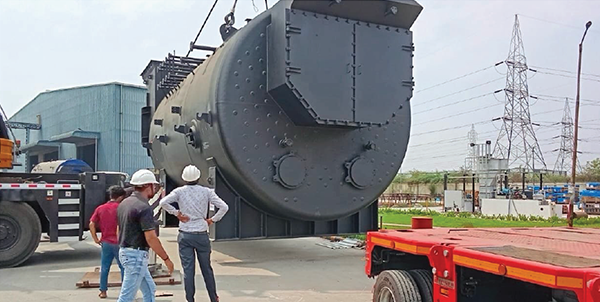 In the realm of logistics, few tasks are as challenging as the transportation of heavy-lift cargo to complex markets. Our team recently accomplished an impressive feat by delivering two 100-ton heavy-lift items and accessories, totaling approximately 750 cubic meters (CBM), to Iraq in the Persian Gulf. This project exemplified our dedication to meticulous planning, coordination, and seamless execution.
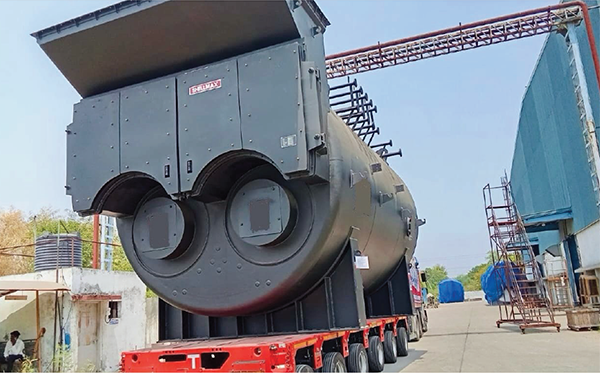 One of the key components of this project was the advanced arrangement of all necessary documentation and legal requirements. By anticipating potential hurdles and addressing them proactively, our team ensured smooth clearance and direct delivery upon arrival in Iraq. This strategic approach minimized delays and ensured that the cargo reached its destination efficiently. This achievement would not have been possible without the collective efforts of our dedicated team and reliable partners. The collaboration with esteemed colleagues and trusted shipping carriers played a crucial role in the project’s success.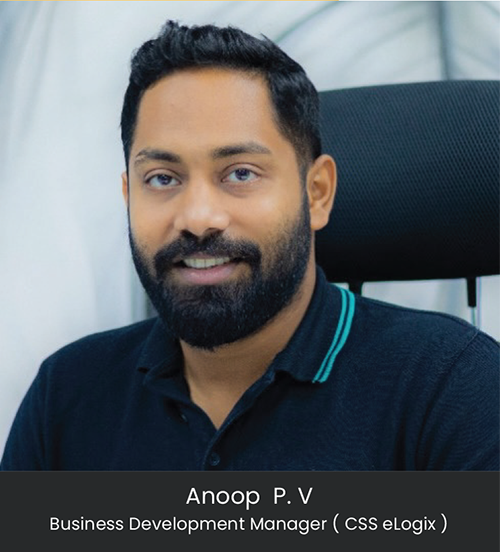
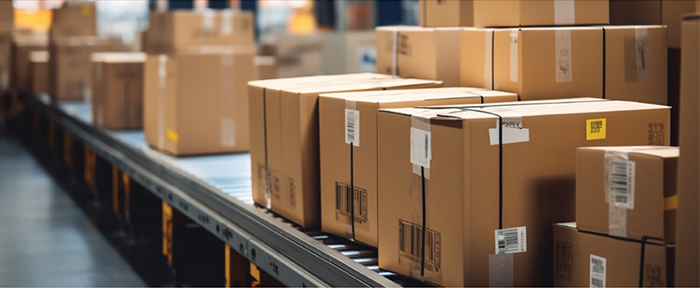
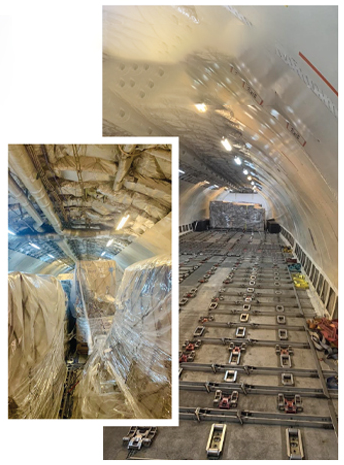 In today’s fast-paced world of global logistics, where time-sensitive shipments are the norm, CSS Global Forwarding has made headlines with a remarkable feat. Recently, we successfully delivered a 35-ton cargo shipment to the interiors of Africa on a tight deadline, showcasing our expertise and commitment to meeting customer needs.


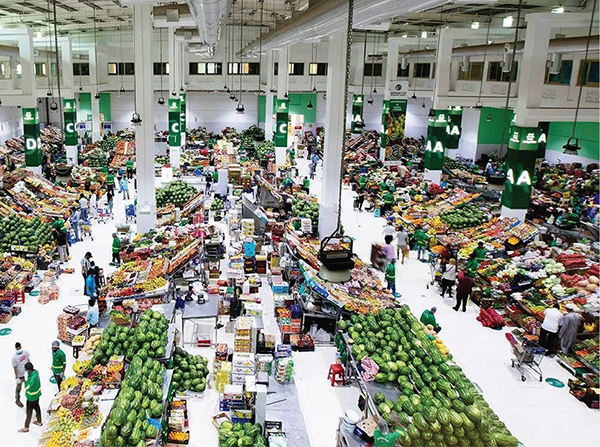



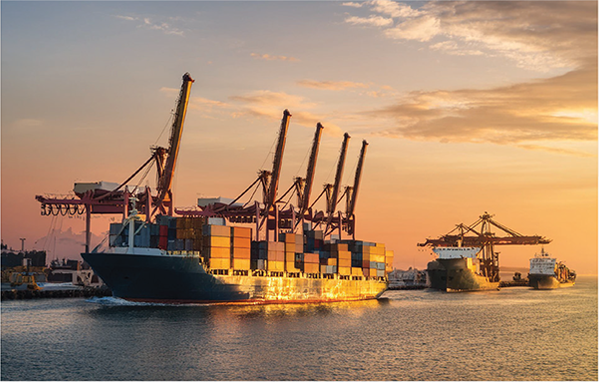 The global container ship fleet is experiencing its fastest growth in 15 years, marking a significant expansion in reshaping the shipping industry landscape. Since the beginning of the year, the fleet’s capacity has surged by 1.6 million TEUs (twenty-foot equivalent units), representing an 11% increase from the previous year, according to Niels Rasmussen, Chief Shipping Analyst at BIMCO. This growth brings the total capacity to 29.5 million TEUs, underscoring the robust demand for container shipping.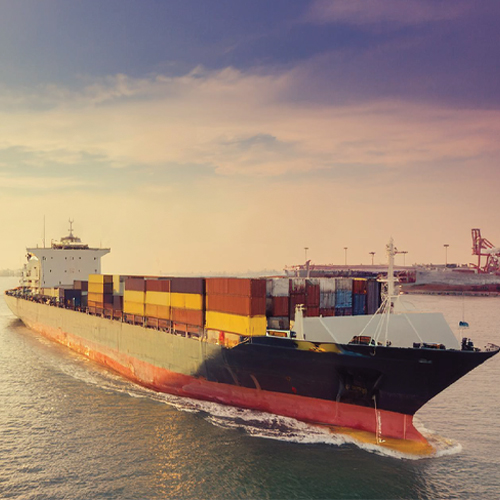
 The peak summer shipping season brings a surge in volume, worsening existing challenges such as the ongoing issues in the Red Sea region. These complications have led to significantly higher shipping costs and severe equipment shortages. As freight forwarders, it is essential to develop and implement strategies that ensure the smooth movement of goods, support customer satisfaction, and keep the industry running efficiently. Here is how we can achieve these goals.
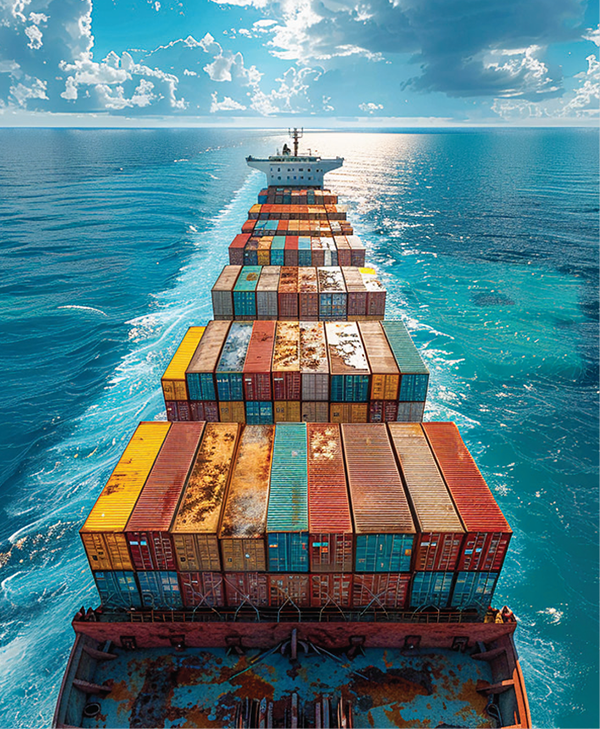
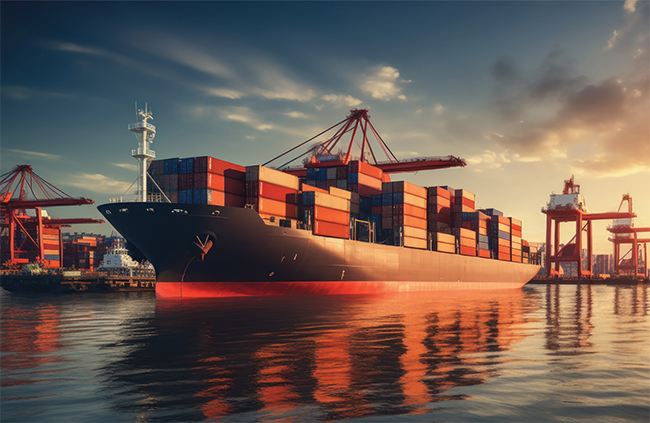
 Dubai has rapidly emerged as a global leader in trade and logistics, capitalizing on its strategic location, world-class infrastructure, and favourable trade policies. This thriving city stands out as a pivotal hub connecting the East and West, providing efficient pathways for goods to travel by road, air, and sea. The logistics sector significantly contributes to about 14% of the UAE’s GDP—a figure poised for further growth.
 Bhanu Nazir
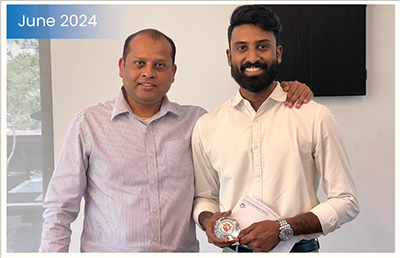 Abhiram Hrithwik
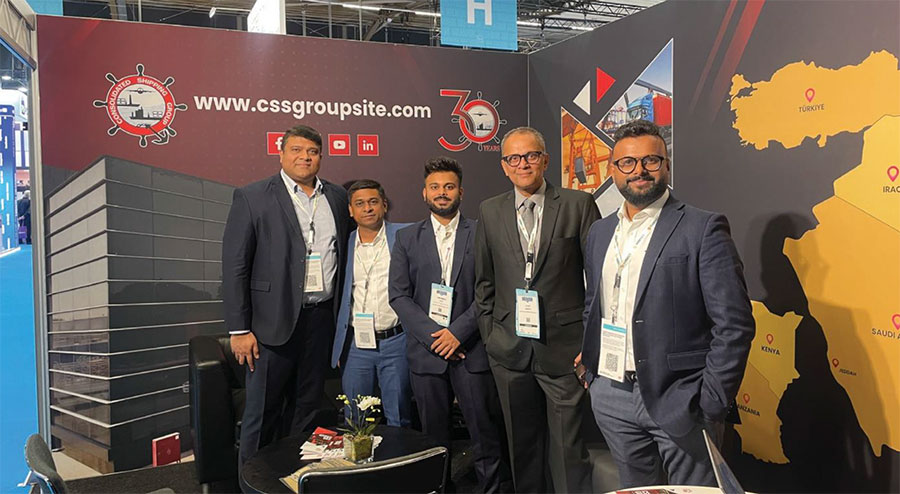
 Innovation was a key theme at the Breakbulk Futures Zone, where leading industry innovators showcased their latest products and services. The event also emphasized education, with 14 main stage sessions featuring over 52 speakers, Breakbulk Futures sessions with 13 speakers, chartering workshops mentored by the Institute of Chartered Shipbrokers, and an Education Day involving 191 students.
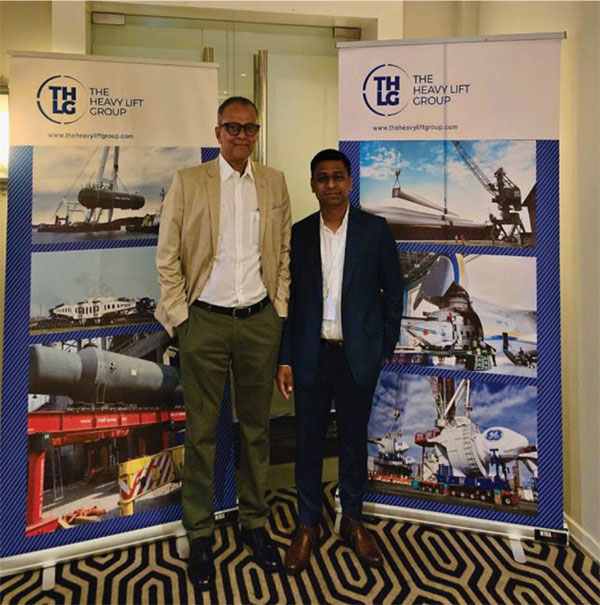 The Breakbulk event provided CSS with an invaluable platform to forge strategic alliances and network with global companies. It also offered a venue for discussing the latest developments and technologies in handling breakbulk and project cargo. The knowledge and experiences gained at Breakbulk Europe have empowered the CSS team to develop new ideas and create innovative solutions for future projects.
 Rakesh’s success story is a testament not just to his efforts, but also to the incredible support he has received from his colleagues, customers, and mentors. He extends his heartfelt thanks to all those who have been a part of his journey at CSS. Their guidance, encouragement, and contributions to his professional development have been invaluable, and he is deeply appreciative of their role in his success.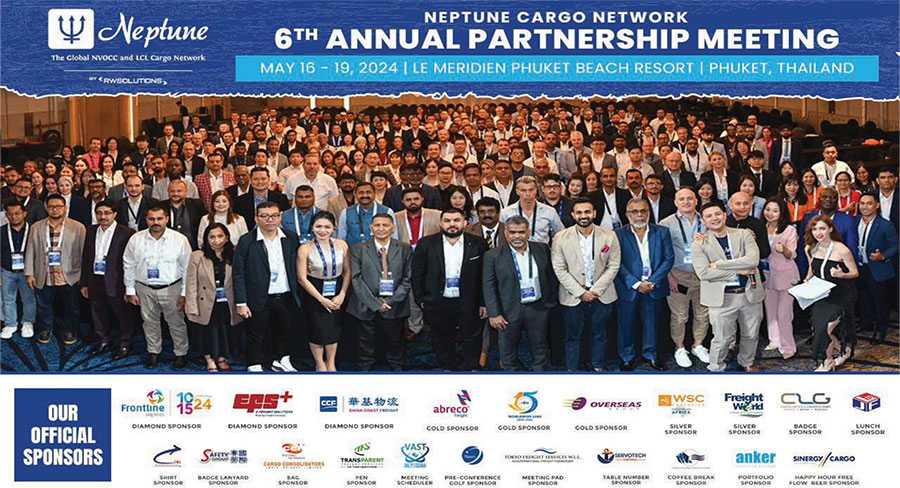
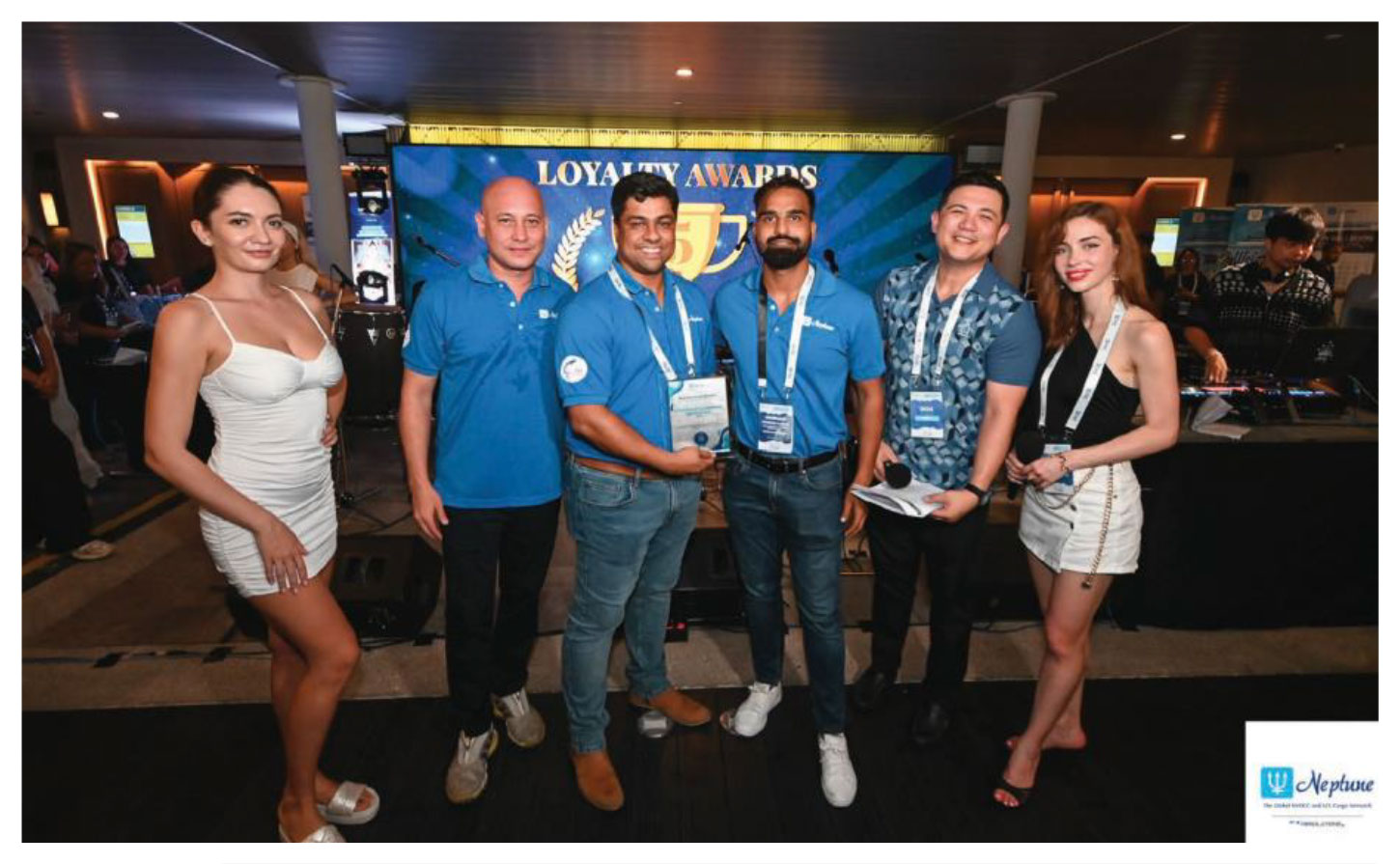
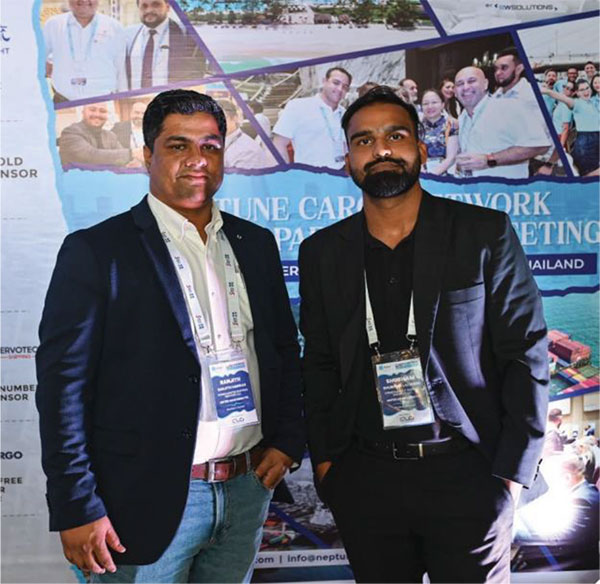 The 2024 Neptune Cargo Network Annual Partnership Meeting in Phuket was more than just a conference; it was an enriching experience that combined professional development with the allure of a tropical paradise. Attendees left with not only new business insights and contacts but also cherished memories of their time on one of Thailand’s most beautiful islands. As the Neptune Cargo Network continues to grow and evolve, events like these play a crucial role in fostering a global community of logistics professionals. The success of the Phuket meeting sets a high benchmark for future gatherings, promising even more impactful and enjoyable experiences in the years to come. As delegates departed Phuket, they left with renewed connections, fresh insights, and the anticipation of future gatherings that will continue to build on the success of this year’s landmark event.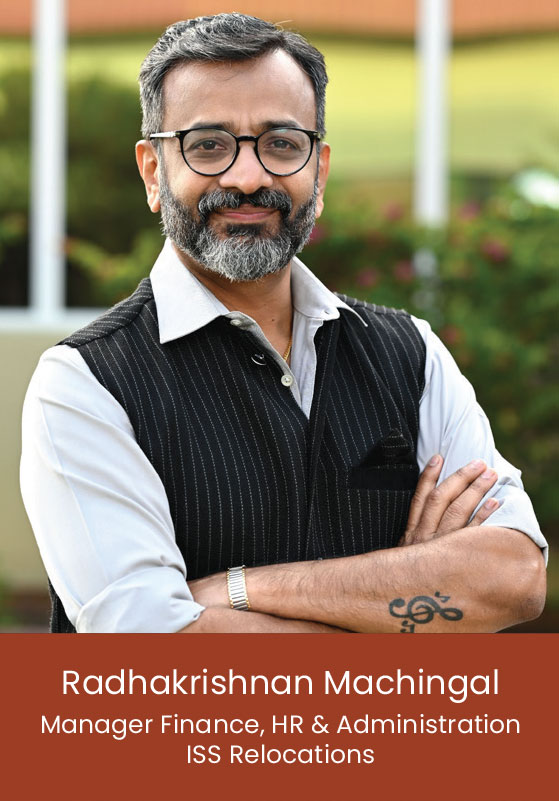
 Thekkinkadu, shining in the light of the beautifully decorated ‘pandals’ (temporarily erected man made structure illuminated with colors and lights) and the torchlights along with the elephant’s caparison or ‘nettippattam’ lures us again into the grandeur of tradition.
 I believe is blessed by the Gods & Goddesses of Thrissur to commentate Pooram for Television channels, and with this year Pooram which was celebrated on May 19th and 20th 2024 completed Nine blessed Years. I feel, am fortunate to be appointed to speak about my Thrissur Pooram for a Global audience, particularly the ‘Kudamaatom’, which is a swift and rhythmic changing of colored & sequined parasols. This is listed as one of the major events of Pooram, where both the Thiruvambady and Paramekkavu deities on caparisoned elephants meet face to face, accompanied by other elephants, and we title this moment as “Divine Durbar”.
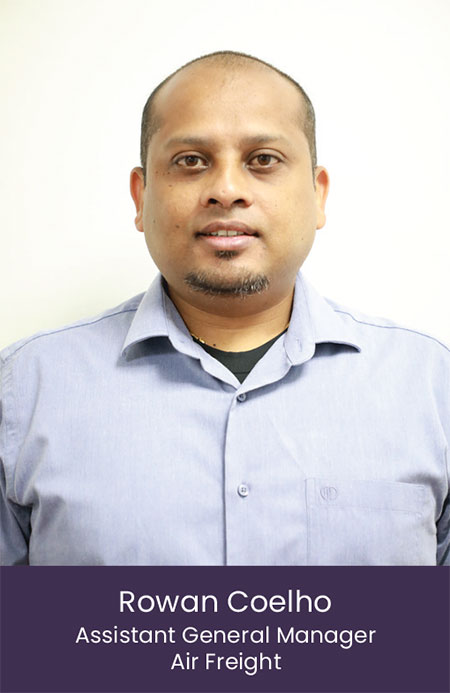 The DWC airport expansion in Dubai South is all set to have a huge impact on the shipping and logistics industry. The expansion would include the usage of solar power and green aviation fuel. This is a huge step in reducing the environmental footprint of Dubai. Incorporating sustainable transportation in the future is the way to go ahead for shipping and logistics companies.
 The expansion of the DWC airport has brought several benefits to freight forwarders. The expanded facilities of the airport can now handle a higher volume of cargo, accommodating the growing demands of the logistics industry. The infrastructure is designed to scale with future growth, ensuring long-term sustainability and adaptability. Enhanced processes and state-of-the-art technology have streamlined operations, reducing turnaround times and increasing productivity. Larger volumes and efficient processes lead to cost savings, benefiting businesses and customers alike. The unique corridor connecting rail, sea, and air networks maximizes logistical efficiency and flexibility.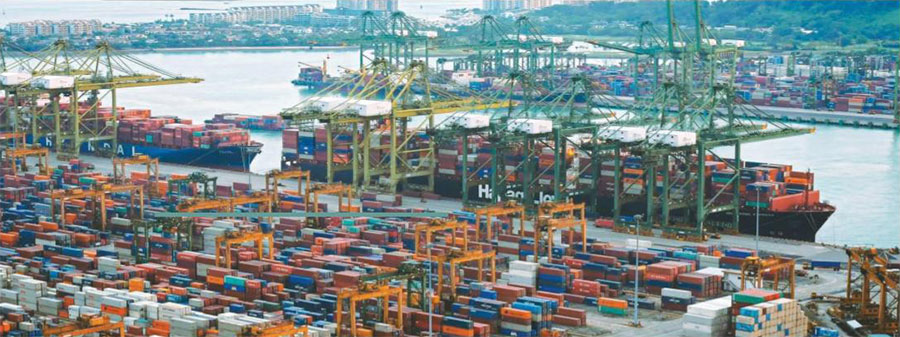
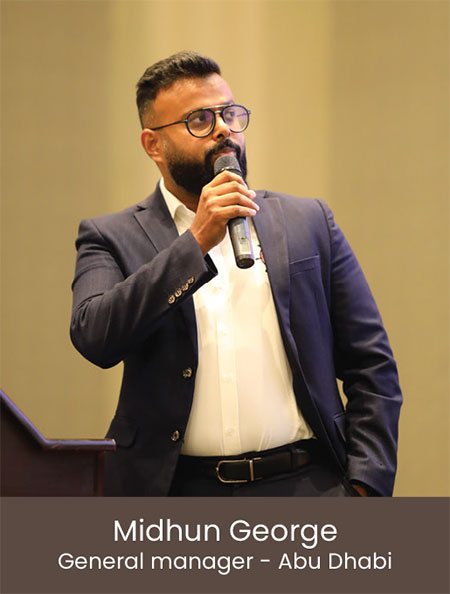 The business landscape will become increasingly competitive moving forward; however, the market is poised for substantial growth, with expectations of exponential expansion. The United Arab Emirates Freight and Logistics Market is projected to be valued at 20.11 billion USD in 2024, with an anticipated increase to 30.19 billion USD by 2030.
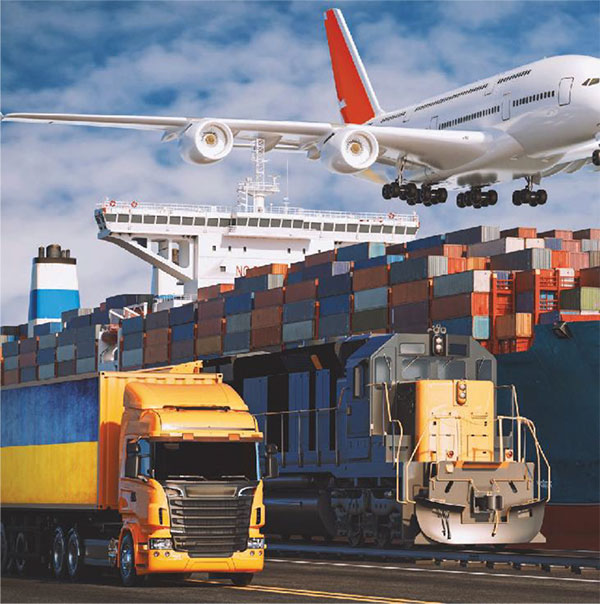 Approximately 30 percent of global trade passes through the Red Sea via the Suez Canal, the most direct route between Europe and Southeast Asia. Heightened security risks have necessitated increased measures, prompting shipping companies to reroute vessels away from high-risk areas, thereby incurring additional costs for enhanced security. These challenges have also influenced insurance premiums for ships operating in these waters, impacting global trade.
 Etihad Rail: Etihad Rail is a major project that will transform freight logistics in the UAE. Once completed, it will connect Abu Dhabi to key cities and ports across the Emirates, facilitating efficient and cost-effective transportation of goods. This rail network is expected to reduce road congestion and lower carbon emissions.