Skip to content

Lighthouse

Bi-monthly publication of CSS Group

Lighthouse
  • Call +971 4 883 1303
  • Mail info@cssdubai.com
  • Menu
    • Home
    • About
    • Services
      • Global Freight forwarding
      • Ocean Freight Management
      • Supply Chain Management
      • Land Transportation Management
      • Industrial Packing, Crating & Lashing
      • Air Freight Management
      • Projects Oil & Energy
      • Exhibition Event Logistics
      • Automobile Logistics
      • Art Logistics
      • Non Vessel Operating Common Carrier (NVOCC)
      • Hospitality & Hotel Logistics
      • Multi-modal Operations
      • Container Freight Station (CFS)
      • Yacht & Marine Logistics
      • E-commerce Fulfillment
    • Locations
      • Dubai
      • Abu Dhabi
      • Sharjah
      • Ras Al Khaimah
      • Bahrain
      • Oman
      • Qatar
      • Saudi Arabia
      • India
      • Sri Lanka
    • Careers
    • Track & Trace
    • Login
      • Customer / Agent
      • Employee – Portal
      • Employee – Dashboard
      • CSS India Login
    • More+
      • Lighthouse
      • Sailing Schedule
      • News Hub
      • Feedback
    • Contact Us
  • Login
    • Customer / Agent
    • Employee – Portal
    • Employee – Dashboard
    • CSS India Login
  • TRACK & TRACE
  • LIGHTHOUSE
Lighthouse
  • Call +971 4 883 1303
  • Mail info@cssdubai.com
  • Menu
    • Home
    • About
    • Services
      • Global Freight forwarding
      • Ocean Freight Management
      • Supply Chain Management
      • Land Transportation Management
      • Industrial Packing, Crating & Lashing
      • Air Freight Management
      • Projects Oil & Energy
      • Exhibition Event Logistics
      • Automobile Logistics
      • Art Logistics
      • Non Vessel Operating Common Carrier (NVOCC)
      • Hospitality & Hotel Logistics
      • Multi-modal Operations
      • Container Freight Station (CFS)
      • Yacht & Marine Logistics
      • E-commerce Fulfillment
    • Locations
      • Dubai
      • Abu Dhabi
      • Sharjah
      • Ras Al Khaimah
      • Bahrain
      • Oman
      • Qatar
      • Saudi Arabia
      • India
      • Sri Lanka
    • Careers
    • Track & Trace
    • Login
      • Customer / Agent
      • Employee – Portal
      • Employee – Dashboard
      • CSS India Login
    • More+
      • Lighthouse
      • Sailing Schedule
      • News Hub
      • Feedback
    • Contact Us
  • Login
    • Customer / Agent
    • Employee – Portal
    • Employee – Dashboard
    • CSS India Login
  • TRACK & TRACE
  • LIGHTHOUSE

Chairman’s Message

T S KALADHARAN

As we close another remarkable year in the world of logistics, I find myself reflecting on how profoundly our industry—and our organization—has evolved. The global supply chain continues to redefine itself amid volatility, innovation, and opportunity. Through every challenge and transformation, one constant remains at the heart of CSS: our people.

Human-Centered Innovation
Over the past year, the conversation across industries has shifted from automation to augmentation. The rise of agentic AI—intelligent systems that not only respond but act—has begun to reshape the fabric of logistics and trade. But even as we adopt these technologies, one truth stands firm: AI cannot replace the human connection; it must enhance it. The future of logistics will be defined not by machines that think faster, but by people who think deeper.

At CSS, we view AI as a trusted partner, not a distant tool. Our digital initiatives are designed to keep humans in the loop—empowered, not overshadowed. Agentic AI enables us to see patterns sooner, make decisions smarter, and serve clients better, but it’s the empathy, judgment, and integrity of our people that turn insight into impact.

This balance—between intelligence and intuition—is where our true advantage lies. The real innovation at CSS is not only technological; it is human-centered innovation.

Our Values as the Compass of Progress
Our core values continue to guide us through this new frontier. Our commitment drives us to stay true to our purpose, no matter how rapidly technology evolves. Integrity anchors every decision we make, reminding us that progress means little without principles. Our culture of teamwork ensures that innovation is never a solo pursuit—it’s a shared journey between people and technology, between insight and action.

Innovation, for us, is not merely about adopting the newest tools; it’s about imagining better ways to serve, connect, and deliver value. And at the heart of it all lies our belief in nurturing relationships—because in logistics, as in life, success is built not on systems alone, but on the strength of human connection.

Celebrating 30 Years of CSS
This year also marks a momentous milestone as we complete 30 years of CSS. From humble beginnings to becoming a trusted name in logistics, our journey has been shaped by every individual who believed in our vision.

We hosted The Logistics Roundtable 2025 in Dubai—a gathering of global logistics leaders, innovators, and partners to reimagine the future of supply chains. The discussions reflected our enduring commitment to foresight, collaboration, and sustainability as we step into a new era of connected logistics.

Ending with a Note of Gratitude
As we look ahead, I see a future where CSS continues to lead with courage and compassion.

To our employees, thank you for your tireless dedication and spirit of excellence. To our partners, vendors, and service providers, thank you for your trust and collaboration. Together, we have not only weathered challenges but have continued to chart new frontiers.

As we turn the page on another successful year, let’s carry forward the same resilience and purpose that have defined us for 30 years.

DP WORLD AND TASHKENT INVEST TO DEVELOP $288 MILLION LOGISTICS HUB IN UZBEKISTAN

A transformative step in Uzbekistan’s logistics evolution is underway as DP World, the global logistics and port operator, partners with Tashkent Invest, a subsidiary of the Tashkent City Administration, to develop a $288 million multimodal logistics terminal just outside the nation’s capital. The project combines DP World’s global expertise with Uzbekistan’s strategic ambitions to establish the country as Central Asia’s primary trade nerve center.

Strategic Location Within the Yangi Avlod Special Industrial Zone

The new Tashkent Multimodal Logistics Terminal will be built within the Yangi Avlod Special Industrial Zone, located in the Yangihayot District of Tashkent. The site spans 82 hectares and has been designated as a focal point for industrial and export activity under Uzbekistan’s national development plan.

The terminal will be managed through a newly formed joint venture, DP World Tashkent LLC, with DP World holding an 85% equity share and Tashkent Invest owning the remaining 15%. The collaboration marks one of the most significant foreign logistics investments in Uzbekistan to date, aligning with the government’s economic diversification strategy and its commitment to modernizing the nation’s supply chain infrastructure.

A State-of-the-Art Multimodal Hub

Designed as a fully integrated multimodal logistics complex, the terminal will connect rail, road, and air freight within a single ecosystem. Once complete, it will feature:

1. A rail-connected dry port for containers and covered cargo
2. Customs and bonded zones to streamline international shipments
3. Extensive truck parking and vehicle storage facilities
4. Grade A warehouses with cross-docking areas for high-volume handling
5. A dedicated railway station providing direct access to Uzbekistan’s national rail network

From the site, cargo will enjoy efficient connectivity to major highways and Tashkent International Airport, ensuring swift multimodal transfer between transport systems. This design not only improves trade efficiency but also reduces handling times and overall logistics costs—key factors in regional supply chain competitiveness.

Phased Development and Scalable Capacity

The project will be developed in three phases, with an emphasis on scalability. According to DP World officials, Phase One is scheduled for completion between late 2026 and early 2027.

This initial phase will include:

1. 150,000 TEU handling capacity for rail-based freight
2. Approximately 63,000 square meters of modern warehouse space designed for flexibility and automation

Depending on cargo flow and market demand, later phases could more than triple total capacity, with an additional 163,000 square meters of warehouse area and expanded terminal throughput. Such phased expansion will allow DP World Tashkent LLC to align infrastructure investment with trade growth, ensuring sustainable and efficient scaling of operations.

Supporting Uzbekistan’s Economic Vision

This development is part of Uzbekistan’s broader strategy to diversify its economy, reduce logistics costs, and enhance cross-border connectivity. By integrating advanced logistics technologies and customs processes, the terminal will help local industries gain easier access to export markets while attracting foreign manufacturers seeking efficient inland distribution hubs

DP World has confirmed that the facility will be digitally integrated with its global port and logistics network, giving shippers and partners real-time visibility into cargo movements. This integration is expected to deliver higher reliability and transparency across multimodal routes linking Central Asia, the Middle East, and Europe.

Leadership Perspectives

“This logistics hub will provide the infrastructure and efficiency that modern trade demands while supporting Uzbekistan’s vision to be a regional logistics powerhouse,” said Sultan Ahmed bin Sulayem, Group Chairman and CEO of DP World.

He emphasized that the project reflects the company’s long-term commitment to Central Asia’s economic development, leveraging DP World’s extensive experience managing ports, inland terminals, and smart logistics solutions worldwide.

Echoing this sentiment, Shavkat Umurzakov, Mayor of Tashkent, highlighted the project’s strategic importance: Partnering with DP World enables the city to adopt modern logistics technologies and attract international investors.”

Both leaders underscored that the collaboration will bring world-class standards to Uzbekistan’s logistics sector—driving innovation, creating jobs, and reinforcing Tashkent’s role as a pivotal trade hub between East and West.

Economic and Employment Impact

Beyond its infrastructure value, the Tashkent Multimodal Logistics Terminal is projected to create thousands of construction and operational jobs, boosting local employment and skill development.

Once operational, the facility will serve as a gateway for goods moving across Central Asia, improving the transport of exports such as textiles, agricultural products, and manufactured goods. The terminal’s multimodal structure will significantly enhance trade competitiveness, reduce delivery times, and encourage industrial clustering in surrounding zones.

The project’s customs and tax incentives, offered under the Special Industrial Zone framework, are designed to foster integration between logistics operations, manufacturing, and export processing—strengthening Uzbekistan’s position as a regional distribution hub.

Digital Innovation and Smart Logistics

DP World’s expertise in smart logistics and digital supply chain solutions will drive the hub’s operations. The company plans to implement intelligent terminal management systems, automated cargo tracking, and digital documentation platforms, allowing for faster, paperless processing.

These digital tools will enhance transparency, reduce administrative friction, and provide predictive insights for capacity and route optimization. By merging data analytics with physical infrastructure, DP World aims to create one of the most technologically advanced inland logistics hubs in Central Asia.

In turn, Uzbek exporters and manufacturers will benefit from better visibility, fewer delays, and seamless access to global markets—marking a major leap forward for the nation’s trade facilitation efforts.

Linking Central Asia to Global Supply Chains

Uzbekistan’s geographic position—situated at the crossroads of major Eurasian trade corridors—makes it a natural candidate for logistics integration. The Tashkent terminal will act as a strategic bridge connecting East Asia, the Middle East, and Europe, aligning with key trade initiatives such as the Trans-Caspian International Transport Route (the “Middle Corridor”).

By offering high-capacity, multimodal access points, the new hub will enable regional exporters to reach seaports and global destinations more efficiently. For importers, it will streamline inbound logistics, reducing bottlenecks and improving supply reliability for industries such as automotive, energy, and consumer goods.

Analysts view this as a defining development in Central Asia’s logistics landscape—transforming Uzbekistan from a landlocked nation into a land-linked trade facilitator.

Building the Future of Trade in Central Asia

The project’s long-term benefits extend well beyond physical infrastructure. Once completed, the Tashkent Multimodal Logistics Terminal will serve as a benchmark for integrated logistics development in emerging markets. It is expected to stimulate related sectors—from transportation and warehousing to construction and technology services—contributing to sustained economic growth.

For DP World, the investment aligns with its global strategy to expand inland and digital logistics capabilities beyond traditional port operations. For Uzbekistan, it represents tangible progress in its reform-driven agenda to modernize the economy and strengthen regional trade connectivity.

The partnership between DP World and Tashkent Invest is more than a capital investment—it’s a statement of intent to redefine Central Asia’s logistics future. By combining international expertise, cutting-edge technology, and a strategic location, the Tashkent Multimodal Logistics Terminal is set to become the centerpiece of Uzbekistan’s trade transformation.

Once fully operational, it will handle substantial cargo volumes, deliver unmatched multimodal integration, and position Tashkent as a vital gateway linking Eurasia’s major trade corridors.

In doing so, the project will not only strengthen Uzbekistan’s economy but also reinforce the region’s growing importance in the evolving global supply chain network—a testament to how innovation and collaboration can unlock the full potential of connectivity in the heart of Asia.

GROWING TOGETHER IN QATAR

I joined Console Shipping Services (CSS Group) in 2018, and it has been an incredible journey ever since. Working with our Qatar team, and with the constant support of our management, we were able to build our NVOCC division from the ground up. Today, we are proud to say that CSS is trusted by almost 95% of the forwarders in Qatar and is now ranked among the top five LCL consolidators in the country.

This success didn’t come overnight. It is the result of teamwork, trust, and a shared commitment to provide the best service possible to our customers.

Apart from our LCL consolidation services, one of the proudest moments in my career has been our contribution to Qatar’s (Qatar Energy) Ras Laffan NFE, RLPP1 and RLPP2 projects. Over the past two years, CSS worked as a key subcontractor for Gulf Asia Contracting Co. LLC, handling complete local transportation for the project. Our team successfully completed more than 2,500 trips, delivering construction materials, heavy equipment’s, and project supplies from different suppliers across Qatar to the Ras Laffan project site.

This project was not just about moving cargo — it required strict safety compliance, on-time deliveries, and smooth coordination at every step. Our team handled these challenges with dedication and professionalism, and it showed what we are truly capable of when we work together.

My Thoughts on Team Management

1. Lead by Example: Your team will follow your actions more than your words.
2. Keep Communication Open: Talk to your team, share updates, and listen to their ideas.
3. Trust Your Team: Give them responsibility and the freedom to deliver.
4. Celebrate Achievements: Even small wins deserve recognition — it keeps everyone motivated.
5. Keep Learning: Always look for ways to improve and grow together

Looking back, I feel proud of how far we have come as a team. These achievements are not just mine — they belong to every person who worked hard to make them possible. I’m excited about what the future holds for CSS in Qatar, and I look forward to growing together as a team and taking on even bigger challenges.

KAAHALAM 2025: BRINGING THE SPIRIT OF ONAM AT CSS

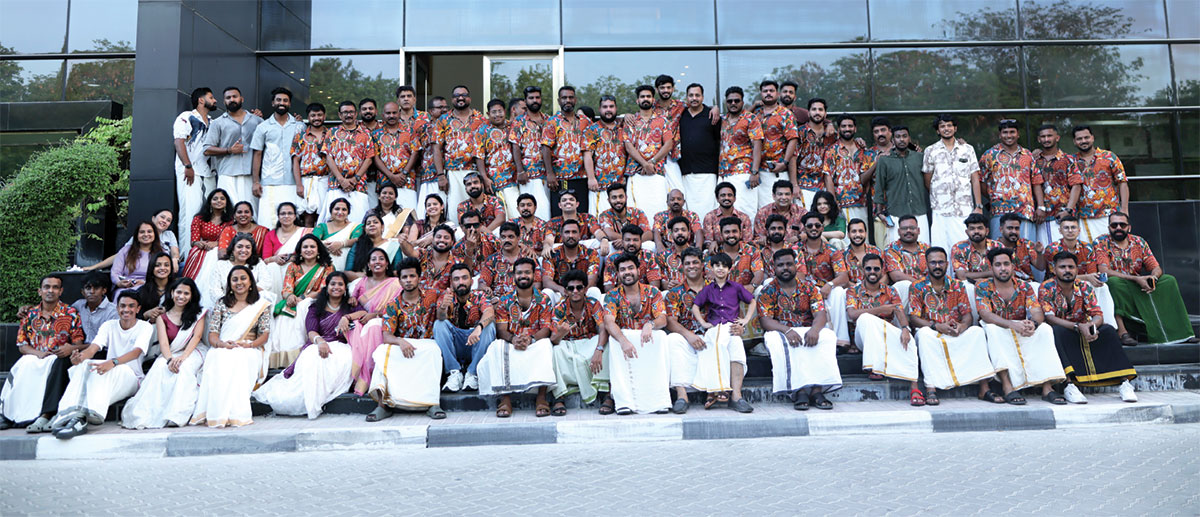
This year’s Onam celebrations at CSS began on an auspicious note with the traditional lighting of the lamp—a timeless symbol of prosperity, unity, and hope. The flicker of the flame signaled the dawn of festivities, echoing through the hearts of every employee, friend, and family member gathered to celebrate Kerala’s grandest festival. From the very start, the event radiated energy, color, and a sense of togetherness.

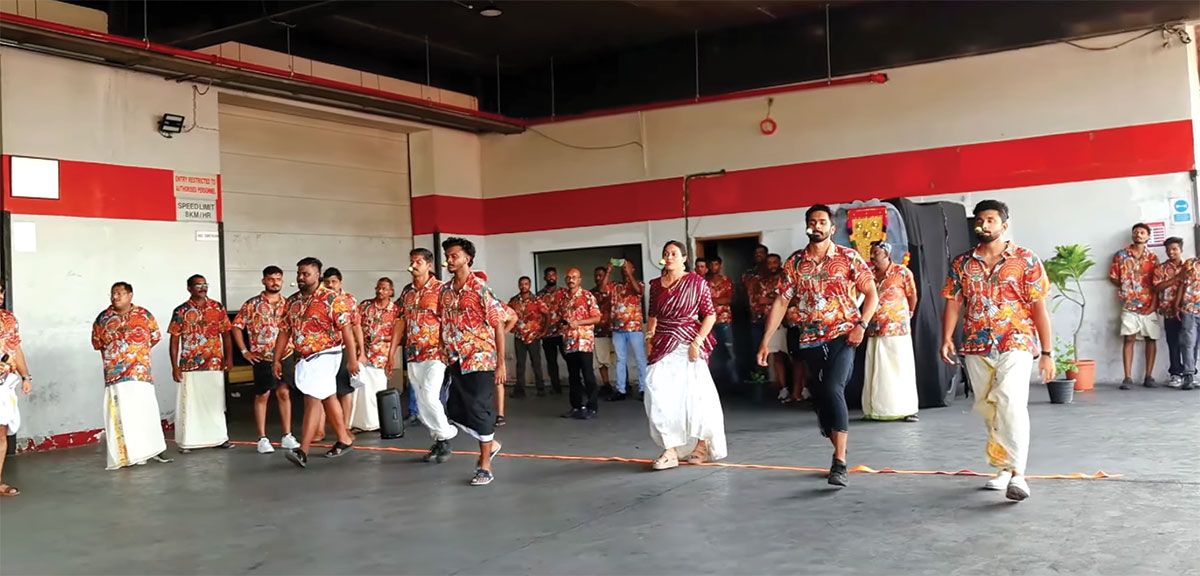
The rhythmic beats of the Chenda Melam (drumbeats) soon filled the air, resonating through the hall and setting the perfect festive tempo. This year’s performance was extra special, featuring a sole female drummer among the ensemble—her confident rhythms embodying both tradition and empowerment. As the crowd swayed to the pulsating drumbeats, the celebration came alive with a sense of shared joy that transcended words.

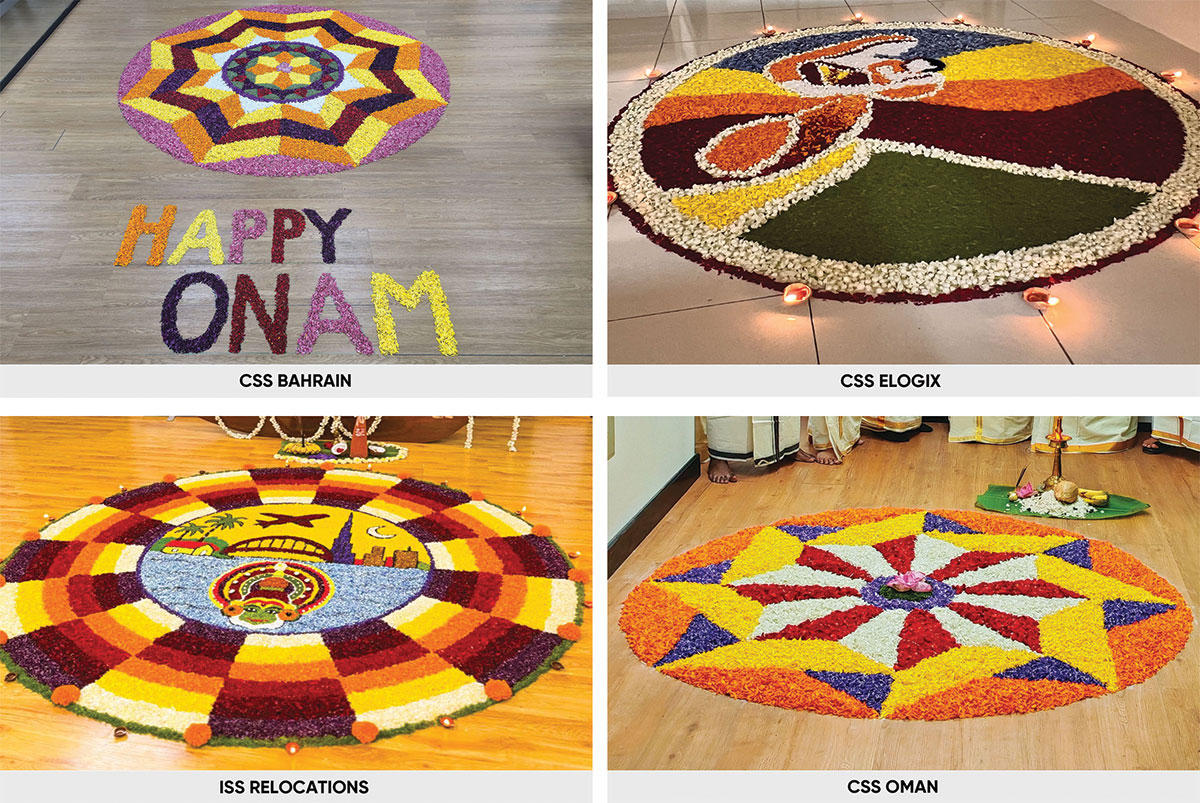
Meanwhile, the Pookalam teams began their creative symphony, meticulously cutting and arranging petals in radiant hues of orange, purple, yellow, white, and green. The fragrance of fresh flowers mingled with laughter and chatter, creating an atmosphere of vibrant anticipation. Each team worked with focus and enthusiasm, turning simple blossoms into breathtaking art. The competition was more than a contest, it was an expression of teamwork, patience, and love for tradition.

The event theme, Kaahalam 2025, meaning “the call” or “the trumpet,” perfectly captured the essence of this year’s celebration—a call to unity, exuberance, and renewal. A few days earlier, a grand banner unveiling at the CSS headquarters had set the tone for what was to come. It was a moment of pomp and excitement, foreshadowing the joy that awaited us all.

Colors, Culture, and Competition: The Pookalam Extravaganza

Every branch of CSS rose to the occasion with creativity and passion, transforming petals into poetry. The Pookalam competition was not just a display of artistic flair—it was a manifestation of our shared values: collaboration, dedication, and cultural pride. Each design told its own story, reflecting Kerala’s deep heritage while highlighting the individual character of each branch.

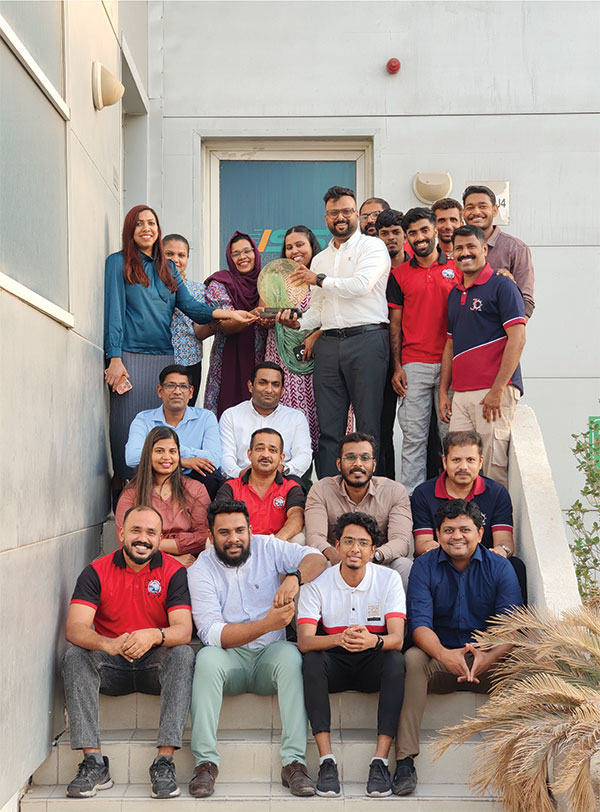
The creativity on display was nothing short of inspiring. Among the many stunning entries, CSS AUH’s intricate and beautifully balanced design stood out, earning them the prestigious Mahabali’s Crystal Award. CSS HWB followed closely as the First Runner-Up, their design praised for its vibrant symmetry, while CSS Jebel Ali claimed the Second Runner-Up position with a theme that harmoniously blended modernity with tradition.

A heartfelt appreciation to every participating branch—CSS Kingston, CSS Bahrain, CSS Elogix, ISS Relocations, CSS Oman, and CSS AUH—for their spirited efforts. Each entry reflected immense thought, creativity, and a shared sense of belonging. Every petal placed was a gesture of devotion; every pattern formed, a testament to teamwork and joy.

The momentous occasion was beautifully captured in the lines of the celebratory song that became the anthem of the day:

Para Para Parapparakkana Poove Poove Poove Poove Kalaravatte,
(Fluttering and soaring, oh flower, oh flower, let the festivities begin.)
Chiri Chiri Chirichirikkana Chunde Chunde Chunde Chunde Power Avatte,
(With a sparkling smile on your lips, let the energy rise.)

As the lyrics echoed across the venue, it felt as though every flower in the Pookalam danced to the rhythm of tradition, embodying the soul of Onam itself.

Games, Togetherness, and Celebration in Full Bloom

No celebration at CSS is ever complete without fun, laughter, and a touch of friendly competition. This year’s Onam festivities brought all that and more. After the Pookalam competition, the courtyard transformed into a lively arena of games and excitement. The air buzzed with cheerful shouts, teasing laughter, and the contagious spirit of camaraderie.

From the hilarious stringed bun eating contest to the biscuit-on-the-forehead challenge, participants gave it their all. The traditional pot-breaking event drew loud cheers, while the musical chairs round had everyone on edge, eager not to miss a beat. The Lipstick-on-the-Malayali-girl game, filled with laughter and playful competition, was a crowd favorite. The lemon and spoon race tested balance and patience. The grand finale—the Tug of War—ignited a fiery spirit of unity and teamwork which had everyone cheering passionately—because at CSS, every celebration is an opportunity to bond as one family.

The atmosphere was electric. Spectators clapped, cheered, and encouraged everyone. The men looked dashing in coordinated Kathakali-printed shirts and traditional mundu, while the women graced the occasion in elegant Kerala sarees, radiating grace and tradition.

As the Chenda beats resonated once more and laughter echoed across the courtyard, it was clear that this celebration wasn’t merely about customs—it was about connection. Friends, colleagues, and families came together, symbolizing the essence of Onam—the triumph of good over evil, humility over pride, and togetherness over isolation. The festival reminded everyone that beyond professional roles and daily routines, we are a community bound by culture, care, and shared celebration.

A Feast of Unity

“Ethu Mood Sadhya Mood, Ethu Mood Payasam Mood,
Ethu Mood Pappadam Mood, Ethu Mood Onam Mood.”

These joyful lines summed up the highlight of the day—the grand Onam Sadhya. True to tradition, long banana leaves were laid out and soon adorned with an array of dishes that celebrated Kerala’s rich culinary heritage. Each delicacy—avial, olan, thoran, pachadi, kichadi, parippu curry, and more—awaited and was served with a smile. The crispy pappadam crackled alongside mounds of steaming rice, while the payasam added a sweet ending to the meal.

The arrival of Mahabali—the beloved king of legend—added a touch of magic. His grand entry was met with cheers and laughter, bringing the mythical to life and reminding us of the timeless story that Onam celebrates.

The event truly encapsulated the quintessential Onam spirit: Friendship, Family, and pure Celebration

Carrying the Onam Spirit Forward

As the melody faded, smiles lingered, and hearts were full. Kaahalam 2025 was a vivid celebration of heritage, creativity, and connection. From the lamp’s first glow to the final echoes of the Chenda, the 2025 Onam celebration at CSS reminded us why this festival continues to be one of joy, unity, and pride.

With gratitude to every participant, judge, and organizer, we celebrate not just the winners, but every hand that placed a flower, every smile shared, and every beat of the drum that carried the rhythm of Onam forward. Kaahalam 2025 stood as a testament to our collective spirit—a vibrant tapestry woven from heritage, harmony, and happiness.

Here’s to another year of color, culture, and collective joy—because at CSS, every season is Onam when we come together.

SHIFTING TRENDS IN LCL FREIGHT: MORE SHIPPERS ARE CHOOSING FREIGHT COLLECT OVER PREPAID

In global trade, the way freight charges are structured has a direct impact on both operational efficiency and financial management. Among the many terms that govern shipping, freight collect and freight prepaid have always been pivotal. Traditionally, exporters preferred prepaid freight—paying charges upfront to ensure smooth delivery and transparent landed costs. However, the tide is changing. Across Less-than-Container-Load (LCL) shipments, more shippers and consignees are opting for freight collect terms. This marks a significant shift in how companies balance cash flow, control, and risk in an increasingly competitive logistics landscape.

To understand this shift, it’s essential to grasp the difference between the two payment arrangements.

Freight collect is a shipping arrangement where the consignee pays freight charges upon delivery, and the carrier releases the cargo only after payment. This allows buyers more time to arrange funds, improving cash flow and enabling them to negotiate better freight rates with local forwarders. However, delayed payments or disputes can cause cargo to be held at ports, incurring demurrage or storage fees. The system relies heavily on trust between buyer and seller to prevent supply chain disruptions. In contrast, freight prepaid means the shipper pays freight charges upfront and includes them in the product cost. While this ensures faster delivery and control over carrier selection, it can strain the exporter’s cash flow.

Why are Freight Collect terms gaining ground in LCL Freight?

In the LCL segment, where multiple shippers share container space, the rise of freight collect arrangements reflects broader market trends. Both exporters and importers are rethinking how they manage shipping costs, working capital, and relationships with logistics partners.

Improved Cash Flow for Exporters:

The most compelling reason for the growing popularity of freight collect terms is the enhanced cash flow management they facilitate. Exporters no longer need to pay freight charges up front before receiving payment for their goods. By shipping on collect terms, they retain liquidity for longer periods—crucial in today’s volatile global trade environment. For small and mid-sized exporters, avoiding large pre-shipment payments can make a tangible difference in sustaining operations

Greater Cost Control for Importers:

Buyers increasingly prefer to handle freight locally. By opting for collect terms, importers can choose their own freight forwarders, compare rates, and manage destination charges directly. This flexibility is particularly valuable in LCL shipments, where pricing structures vary significantly depending on route, consolidator, and destination handling costs. An importer with strong local connections or high shipping volumes can negotiate more favorable rates than what the exporter might obtain abroad. Over time, this can lead to meaningful cost savings.

Growing Sophistication in Global Trade:

As global supply chains mature, buyers are more experienced and informed. They understand port operations, documentation, and freight management better than before. This allows them to confidently assume responsibility for freight payments, especially when dealing with familiar routes and trusted carriers. In contrast, exporters benefit by reducing their exposure to fluctuating freight markets and unforeseen surcharges at the destination.

Rise of Hybrid approaches:

Another emerging trend is the adoption of hybrid freight terms. In such arrangements, the exporter may still pay for the main ocean freight (prepaid), while destination-related charges—such as documentation, handling, or delivery—are billed to the consignee (collect). This strikes a balance between control and flexibility. Exporters limit their financial risk while importers maintain cost visibility and local control. It’s a collaborative model that reflects a more dynamic and transparent logistics environment.

Nevertheless, Freight collect terms require strong coordination. If the consignee delays payment or disputes charges, cargo release may be held up, which can impact delivery timelines. In LCL shipments, where multiple shippers’ cargo is consolidated, a single consignee’s delay can disrupt the entire group shipment. Clear communication and contractual clarity are essential to avoid such setbacks.

The Road Ahead: Flexibility, Transparency, and Trust

The shift toward freight collect in LCL freight represents more than a billing preference—it signals an evolution in how global trade partners share responsibility and manage risk. In a market where cost efficiency and flexibility are paramount, both exporters and importers are seeking smarter ways to align logistics decisions with their financial goals.

Financial Flexibility and Risk Management:

Freight collect terms allow exporters to focus on production and sales without locking capital in advance shipping costs. Importers, in turn, gain the flexibility to pay after confirming goods have arrived in good condition. This symbiotic relationship benefits both parties when built on reliability and mutual trust.

Operational Transparency:

Transparency is becoming a key differentiator in international logistics. Clearly defining who pays for what—whether it’s main freight, terminal handling charges, or delivery fees—helps prevent disputes. Both sides benefit when freight responsibilities are clearly communicated in quotations, contracts, and bills of lading.

Building Trust-Based Partnerships:

As collect arrangements depend heavily on timely payment and cooperative coordination, long-term relationships between exporters, importers, and freight forwarders are vital. Many logistics providers now offer digital platforms that track cost breakdowns, payment timelines, and cargo status—strengthening trust through visibility.

Future Outlook:

With ongoing pressure to optimize working capital, collect terms are expected to grow in popularity, particularly for LCL shipments. As international trade networks digitize and standardize documentation, payment delays and disputes are likely to decrease. In time, collect terms may become the default in many regions, offering a win-win model that balances financial efficiency with operational control.

The shifting trend from prepaid to collect in LCL freight reflects a broader evolution in trade practices. Businesses today seek not only to move goods efficiently but also to manage finances strategically. Freight collect offers flexibility, empowers buyers with cost control, and helps exporters conserve cash flow—all key priorities in a world defined by fast-moving supply chains and fluctuating freight markets. As we look ahead, the success of this model will depend on transparency, communication, and mutual trust. When these elements align, freight collect becomes more than just a payment method—it becomes a partnership model that enhances efficiency, strengthens trade relationships, and keeps global commerce moving smoothly

DRIVING EXCELLENCE THROUGH LEAN MANAGEMENT

The Lean Management Training Workshop, organised by Ajith Menon, brought together our middle managers and warehouse supervisors for a focused half-day session on operational excellence. Designed to strengthen awareness and provide practical skills, the workshop emphasized three pillars: waste reduction, process flow, and time management. With a strong mix of theory and hands-on learning, it offered our teams a chance to pause, reflect, and reimagine the daily work practices.

Training Objectives: Building a Lean Mindset

In today’s competitive landscape, operational excellence is more than just a strategy—it is a necessity. The first part of the workshop helped participants recognise the eight types of waste commonly found in operations. These wastes, often invisible in the flow of daily activity, can have a significant cumulative impact on cost, productivity, and customer satisfaction. Using relatable examples, the facilitator illustrated how seemingly small inefficiencies contribute to larger operational bottlenecks. By recognizing these patterns in current operations, managers and supervisors gained a sharper eye for spotting where resources are being drained unnecessarily. The session also explored process flow mapping and its direct impact on reducing lead time, reinforcing that operational agility is tied to how well processes are visualized, measured, and optimized.

The workshop stressed the importance of aligning roles and responsibilities, ensuring that every individual understands their contribution to waste reduction and process efficiency. Managers and supervisors reflected on how their decisions set the tone for daily operations. Small, everyday choices often determine the long-term effectiveness of the systems. From organizing warehouse layouts to scheduling runs, participants were encouraged to apply Lean filters when making decisions.

The most important takeaway was the mindset of continuous improvement. Fostering ownership at every level creates an environment where employees feel responsible for finding better, faster, and smarter ways of working.

Learning by Doing: Methods That Made a Difference

A key strength of the workshop was its balanced format, combining theoretical learning with practical application.

Case studies drawn from familiar work environments illustrated how inefficiencies manifest in real-life tasks. These examples allowed participants to directly connect Lean principles with their own challenges. The workshop then turned to the practical application of Lean principles in daily decision-making and supervision.

Teams collaborated to map current processes, identify gaps, and propose improvements. This exercise encouraged cross-functional dialogue and broadened perspectives. Through role-based exercises, managers examined how their actions can either support or hinder Lean adoption. Supervisors and managers applied Lean knowledge directly to their responsibilities, learning how to integrate principles into leadership practices.

The session highlighted that applying Lean is not about adding new tasks but about changing the way existing tasks are approached. A lively, interactive Q&A with the external Lean expert deepened this learning. Drawing from their experience across industries, the facilitator challenged conventional assumptions and presented fresh perspectives. Participants were encouraged to challenge assumptions, think differently, and explore solutions that may not have been considered within the traditional frameworks.

Expert Guidance to Spark New Thinking

The Lean Management Workshop was more than a training session; it was a step forward in embedding operational excellence. By equipping the middle managers and supervisors with the tools and mindset to reduce waste, optimise flow, and take ownership of improvement, it’s a decisive step toward operational excellence. For the managers and supervisors, this meant recognising that their greatest contribution is not only in fixing immediate problems but also in developing their teams to think Lean. By modelling behaviours such as asking the right questions, encouraging experimentation, and celebrating incremental improvements, they play a pivotal role in cascading Lean thinking throughout the organisation.

The highlight of the program was the facilitation by the renowned Lean Management Consultant. With a wealth of experience across diverse industries, the consultant guided discussions, challenged conventional thinking, and shared practical insights that inspired participants to rethink their operational approaches. This external perspective added immense value, demonstrating how Lean principles can be universally applied yet customized to fit our unique business context.

The workshop reminded us that continuous improvement starts with us. Whether you’re managing a shift or mapping a process, every role matters. When leaders model behaviours like interest, experimentation, and celebrating small wins, we build a culture where Lean isn’t just a method—it’s a mindset. Lean is not a one-time initiative; it’s a way of working. When embedded into everyday decisions and leadership practices, it becomes a powerful engine for long-term excellence

CSS ELOGIX: EXPANDING HORIZONS THROUGH GLOBAL COLLABORATION

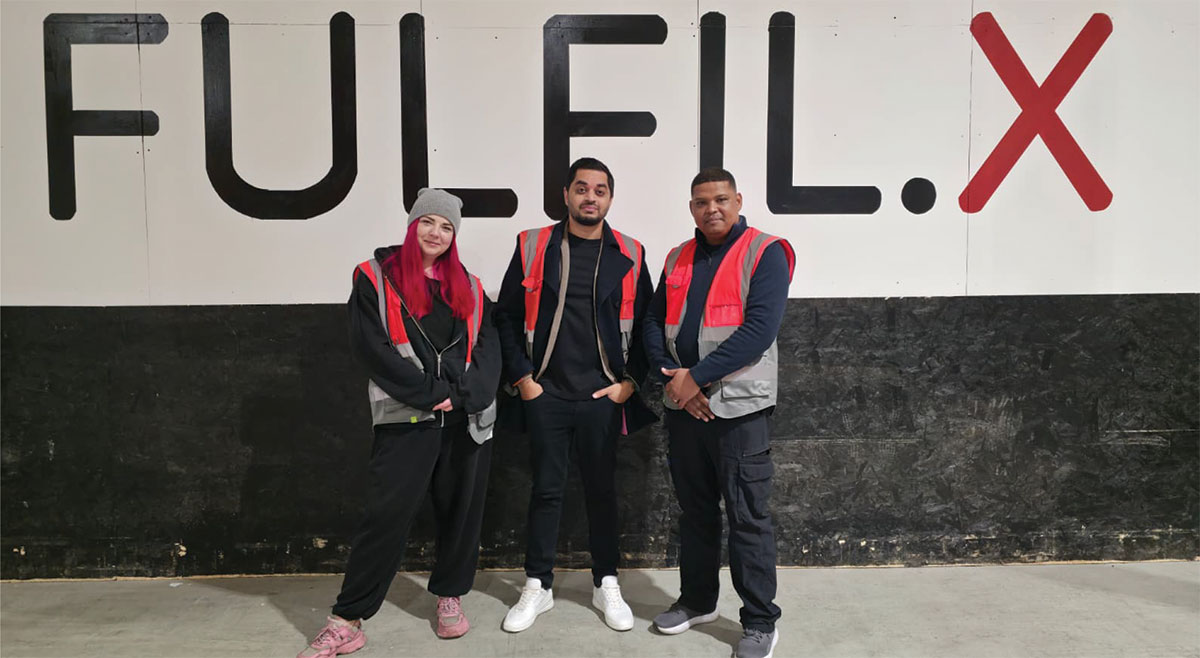
In today’s fast-moving world of e-commerce, businesses seek partners who not only understand logistics but also share their drive for innovation, efficiency, and growth. In a major strategic move aimed at transforming global e-commerce logistics, CSS eLogix has entered into a partnership with FulfilX, a UK-based third-party logistics (3PL) innovator. The collaboration marks a significant step toward building an integrated, cross-border fulfilment network connecting the Middle East and Europe.

The partnership combines CSS eLogix’s strong operational presence in the GCC with FulfilX’s advanced, technology-driven logistics solutions in the UK. Together, the two companies intend to create a seamless global supply chain designed to simplify international commerce, reduce delivery times, and enhance customer satisfaction for e-commerce businesses.

The partnership was officially launched in Q2 2025, following several months of planning, alignment, and strategic investment from the CSS Group to support FulfilX’s expansion into the UK. At the heart of this collaboration lies a shared vision: to make international logistics faster, smarter, and more accessible for brands worldwide. Both CSS eLogix and FulfilX have built their reputations on customer-centric innovation. Through this partnership, the combined strengths of both companies will be aligned to transform the way e-commerce fulfilment is managed across borders.

For CSS eLogix, this partnership expands the reach into the European market, allowing clients in the GCC to enter the UK and EU regions with greater ease and reliability. For FulfilX, it provides a strong foothold in the Middle East, where CSS eLogix’s established infrastructure and client network enable it to serve global brands expanding into the region. The result is a truly borderless fulfilment experience — one account, one system, and one trusted partner managing operations across continents.

The Story Behind FulfilX

FulfilX was founded after recognizing the need for change in the 3PL market. Having worked with major international brands, their founders were frustrated by impersonal service models and rigid operational structures that often limited business potential. They envisioned something different — a 3PL company that sees every client as a partner rather than a transaction.

From its humble beginnings in a small storage unit, FulfilX has grown into a dynamic logistics brand with a newly expanded 50,000 sq. ft. warehouse and a global presence that continues to grow. FulfilX’s technology-driven approach integrates real-time tracking, predictive analytics, and advanced automation to optimise every step of the fulfilment process.

Their commitment to agility, sustainability, and innovation has positioned FulfilX as a preferred logistics partner for brands across sectors — from luxury goods and fashion to electronics, cosmetics, homeware, and consumables. With its first phase of global expansion now complete through the launch of FulfilX UAE, the company continues to build bridges between markets with a focus on efficiency, flexibility, and environmental responsibility.

A Partnership Built on Innovation, Technology, and Shared Strengths

The partnership introduces several new operational capabilities for global clients. It enables end-to-end cross-border fulfilment between the GCC and the UK, with services that include faster international order processing, improved last-mile delivery, and consolidated logistics operations that reduce overall costs.

Integrated technology between both networks allows for centralized inventory visibility, enabling clients to monitor performance and stock levels across all fulfilment centers in real time. The system also supports multi-channel fulfilment options, including Amazon FBA preparation and direct-to-consumer deliveries, providing a flexible solution for online retailers of all sizes.

By combining resources and technological infrastructure, both companies are better equipped to handle rising order volumes and the increasing complexity of multi-region logistics. The collaboration strengthens scalability and resilience, ensuring continuity even in the face of global supply chain disruptions. A shared commitment to technology serves as the foundation of the CSS eLogix–FulfilX collaboration. FulfilX’s advanced use of real-time tracking systems and predictive analytics complements CSS eLogix’s automation-driven fulfilment capabilities. The integration of these technologies allows for data-driven decision-making, optimized warehouse operations, and faster order turnaround times.

The CSS eLogix–FulfilX alliance offers a unified fulfilment experience for global e-commerce clients. Through integrated systems and synchronized operations, brands can now manage both local and international logistics through a single platform. This simplifies operations and eliminates the inefficiencies that often arise from working with multiple providers across regions. Clients benefit from consistent service levels, transparent tracking, and streamlined communication, regardless of shipment origin or destination. The result is a smoother, more predictable fulfilment process that enhances customer satisfaction and supports long-term business growth.

The use of connected platforms ensures visibility at every stage of the logistics process. From warehouse management to final delivery, the joint network enables clients to monitor their inventory, identify inefficiencies, and respond quickly to market fluctuations.

Sustainability and Future Readiness

The organizations have placed sustainability at the forefront of their operations. FulfilX actively incorporates eco-friendly packaging and process efficiencies to minimize environmental impact, while CSS eLogix continues to optimize routes and warehouse energy use to reduce its carbon footprint. By embedding sustainability into logistics planning, the partnership aligns with the broader shift in global commerce toward environmentally responsible business practices.

In addition, the collaboration positions both companies to meet future demands in the rapidly evolving e-commerce sector. With online shopping volumes continuing to surge, scalability and adaptability have become essential. The combined strengths of CSS eLogix and FulfilX provide the agility needed to manage fluctuating demand while maintaining high service quality.

Shared Vision for Global Expansion

Both teams share a unified goal: to establish a leading cross-border fulfilment network that connects Europe and the Middle East. Beyond geographical expansion, the partnership seeks to redefine the role of fulfilment in the e-commerce value chain — transforming it from a logistical necessity into a strategic enabler of business growth.

By aligning expertise and infrastructure, the two companies are setting a new benchmark for speed, reliability, and innovation in global logistics. The collaboration reflects a broader industry trend toward integrated, technology-led supply chain solutions that simplify global trade for brands and consumers alike.

The alliance is also expected to play an important role in shaping the future of global fulfilment for CSS Group. Beyond expanding geographical reach, the partnership reflects a shared commitment to innovation, sustainability, and customer excellence. As CSS eLogix and FulfilX move forward together, combining strengths, expertise, and technology, both organizations are poised to deliver a new era of global fulfilment — one defined by integration, intelligence, and customer success. To clients and partners — this is just the beginning of a new chapter in global e-commerce logistics.

Employees Of The Month

August 2025

Alvin Varghese
Operations Executive – Import Operations

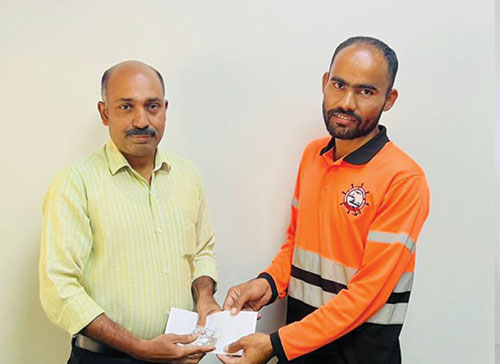
Mr. Alvin has been with our company for about 3 years, consistently demonstrating energy and enthusiasm. He possesses strong knowledge of import procedures and serves as a mentor to new colleagues. As one of the seniors and most trusted members of the import department, he plays a vital role in ensuring smooth operations. This is the first nomination from the Import Operations department for Best Employee, and we highly appreciate his contributions and presence.
Awarded By
Tharesh V – Operations Manager


Wasiq Hameed
Driver – Heavy Vehicle – Transport

He is a highly dedicated and hardworking individual who approaches his responsibilities with sincerity and commitment. He consistently follows instructions and strictly adheres to company regulations and operational procedures. His disciplined work ethic, attention to detail, and respect for organizational policies make him a reliable and trustworthy member of the team.
Awarded By
Pramod – Coordinator – Transport

Chairman’s Message

T S KALADHARAN

Hailing from the scenic backwaters of Kerala, the Alleppey Ripples is a spirited cricket team that blends local talent with a fierce competitive edge. Known for their commitment, sportsmanship, and ability to turn challenges into opportunities, they have steadily built a reputation as a team to watch. This season, they brought their signature energy to the field, captivating fans with performances marked by discipline, skill, and unshakable determination.

CSS was proud to sponsor the Alleppey Ripples, recognizing in them the same values that drive our own journey — preparation, adaptability, and the courage to perform under pressure.

Agentic AI and the Rise of Intelligent Logistics

Agentic AI is emerging as one of the most transformative forces in the modern supply chain. Unlike traditional automation, which follows preset rules, agentic AI can make autonomous, context-aware decisions in real-time. Combined with digital twins — virtual replicas of physical operations — and predictive risk mitigation tools, it allows for the simulation of scenarios, stress-testing of responses, and data-driven decision-making at unprecedented speed.

Industry leaders are already showing what is possible. DHL has experimented with AI-driven route optimization that learns and adapts to shifting conditions. Amazon utilizes advanced predictive models to anticipate demand and adjust its fulfillment operations accordingly. These examples point to a future where supply chains are brilliant and capable of self-correction, proactive action, and constant optimization.

This shift is not about replacing people. Instead, it’s about enabling them to make faster, better-informed decisions, and to focus on the strategic aspects of the business that machines simply cannot replicate.

From Fragile to Anti-Fragile

For years, the focus in risk management has been on minimizing exposure and on building systems that can withstand disruption. But the future belongs to those who go a step further; systems that become stronger through volatility.

Be it market shifts, geopolitical changes, or climate events, disruptions are inevitable in logistics. The concept of “anti-fragility” challenges the idea that risk is purely something to be avoided. When we view setbacks as opportunities, we can strengthen our networks, diversify our capabilities, and improve our responsiveness. An anti-fragile supply chain not only survives uncertainty but also thrives on it.

Looking Ahead

The road ahead will be shaped by both the speed of technological change and the depth of human collaboration. The businesses that succeed will be those that can blend human and artificial intelligence with the agility to adapt and the vision to lead.

While technology will continue to reshape our industry, people will continue to remain at the heart of the CSS success story. The ability to adapt, to collaborate, and to lead with empathy cannot be programmed into an algorithm. At CSS, it is trust and relationships that turn strategy into action.

I recently chanced upon a quote by Nichole Lecher, the Vice President of Client Experience, Strategy, and Journeys at Northwestern Mutual, which struck me as deeply relevant to our industry,

“Don’t let your internal processes or institutional guardrails be barriers to your innovation and transformation.”

It is a reminder that even the most established systems must evolve, and that true progress often begins with the courage to step beyond familiar boundaries.

Let’s continue to challenge limits, embrace change, and lead the way together.

CSS TIRUPUR & CSS KENYA DELIVER PROJECT CARGO WITH PRECISION: PALAKKAD TO MOMBASA

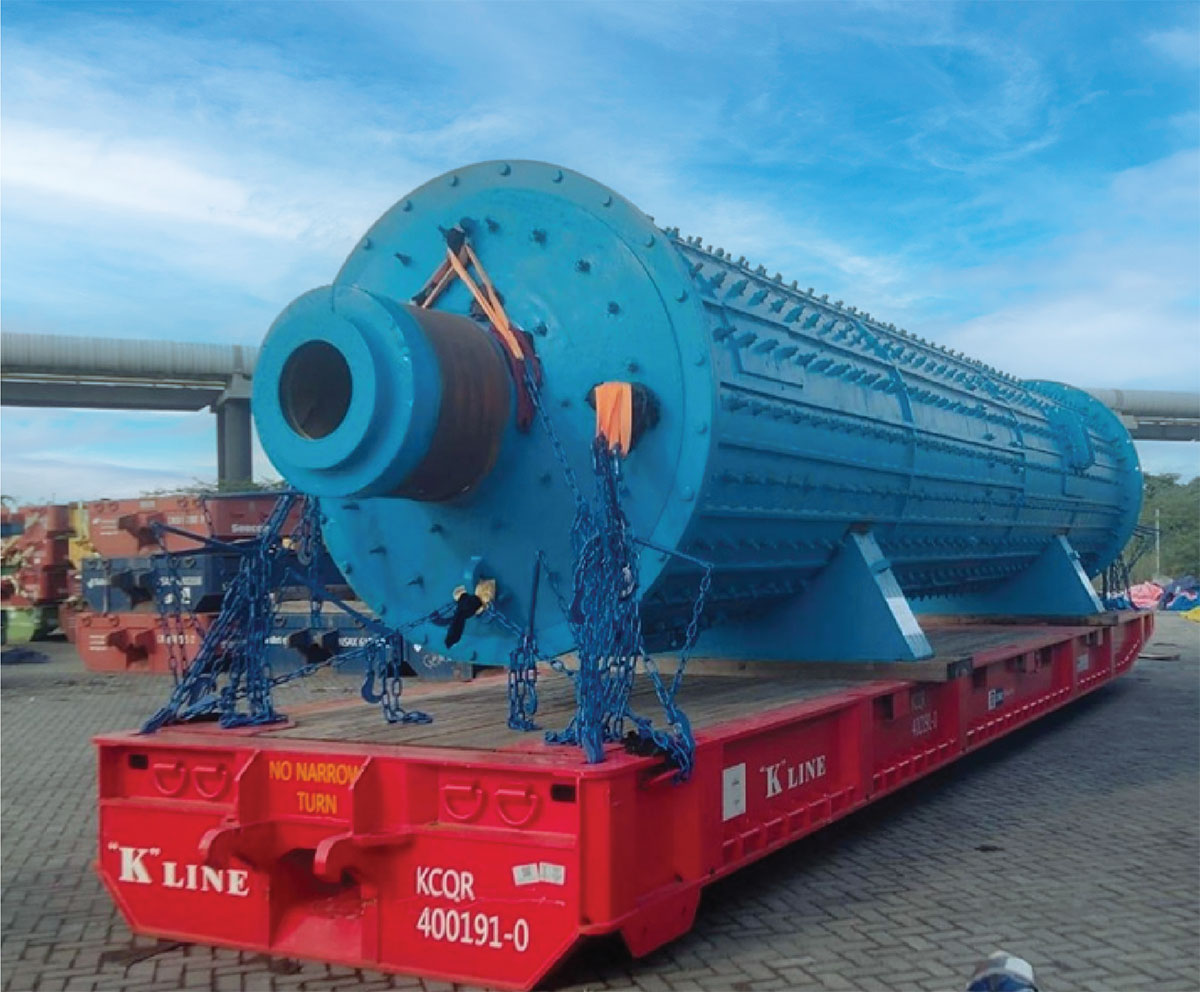
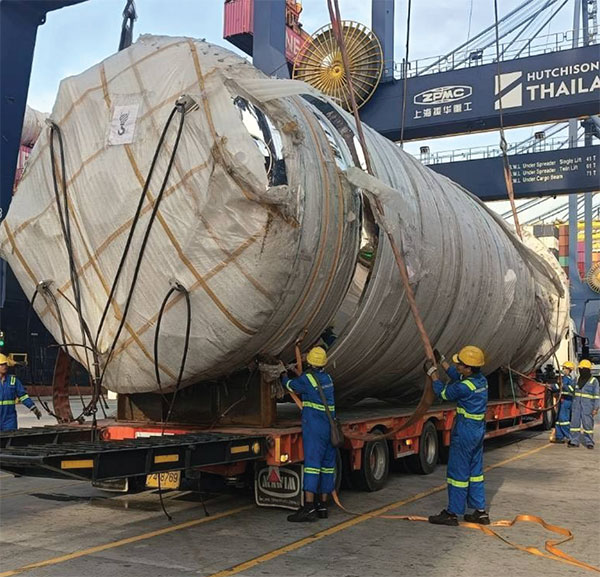
In a remarkable display of logistical precision and cross-border coordination, CSS successfully executed the time-sensitive movement of a major project cargo from Palakkad, India to Mombasa, Kenya.

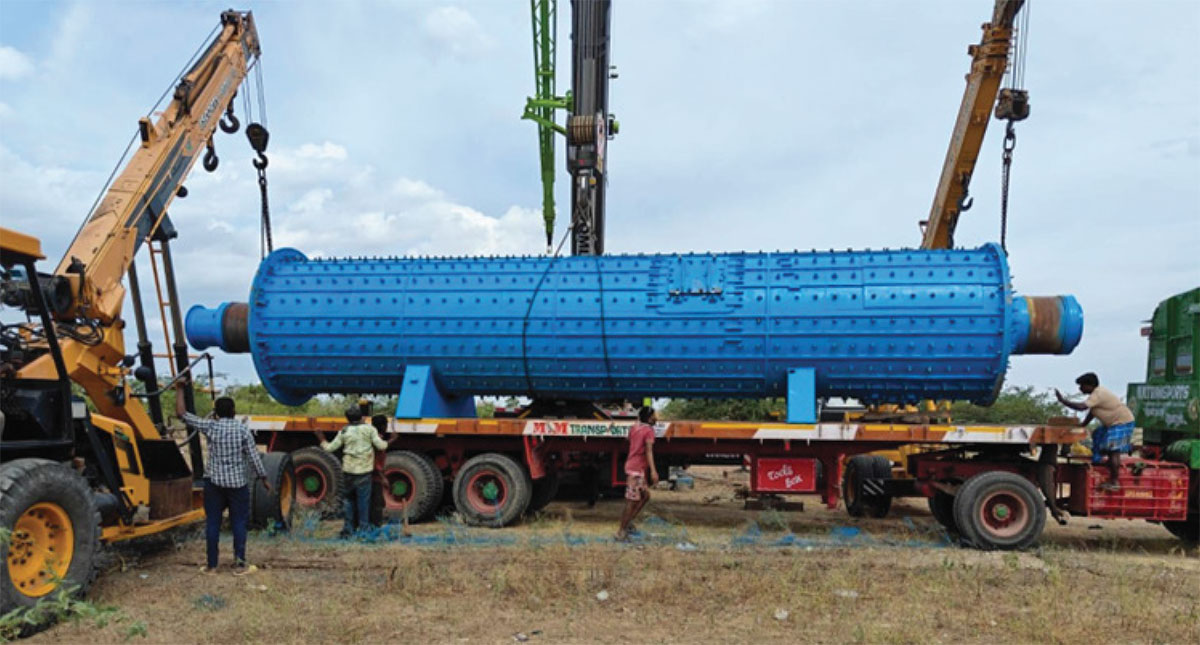
The operation involved the transportation of 329 CBM of specialised cargo — a mission that demanded not just technical expertise, but flawless collaboration between the CSS Tirupur and CSS Kenya teams.

The journey began at the shipper’s site in Palakkad, with the cargo first needing to be transported via road to the Port of Chennai, a distance of 589 kilometres. Given the urgency and critical nature of the shipment, every detail — from permits and clearances to route planning — had to be meticulously managed. Our experienced ground Operations team from CSS Tirupur, ensured that the cargo was securely loaded, lashed and transported without delay or incident, despite navigating India’s dynamic road conditions and regulatory landscape.

Upon arrival at Chennai Port, the next crucial phase involved smooth coordination for breakbulk loading onto the designated vessel bound for Mombasa. Timing was everything, and the synergy between CSS Tirupur and the vessel Operations ensured that loading went according to plan, with no downtime or deviation from the strict schedule.

What truly set this project apart was the impeccable coordination between the origin and destination teams. The CSS Kenya office took over the reins at Mombasa, ensuring swift customs clearance and final delivery to the end user — who expressed high appreciation for the transparency, professionalism, and commitment shown throughout the operation. Despite the complexities involved in cross-border documentation, regulatory compliance, and real-time communication across continents, the CSS teams demonstrated that excellence in logistics is rooted in planning, teamwork, and execution. This project stands as a testament to CSS’s capability to handle high-stakes, time-critical cargo with confidence and consistency — delivering peace of mind to clients, wherever they are in the world.

PRECISION IN MOTION: A TIME-CRITICAL BREAKBULK SUCCESS

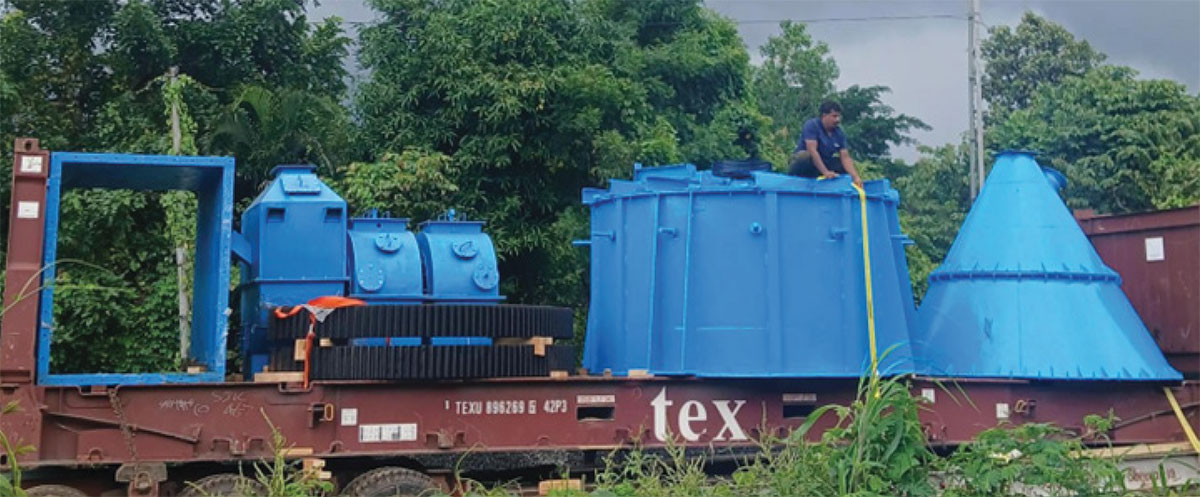
CSS Global Forwarding India Pvt Ltd recently executed a high-stakes logistics operation involving the transport of two units, each weighing 33 tons, totalling 333 Cubic meters, from India to the Far East. This project, though smaller in scale compared to typical heavy-lift movements, was no less complex or significant. It supported a critical site upgrade and required tight coordination, fast turnaround, and seamless execution under pressure.

The figure 333 CBM stood out not just as a logistics detail but as a symbol of balance, efficiency, and progress. Despite facing several challenges during transit, including inland pickup and time-sensitive customs clearance, the project was delivered on schedule. Every phase, from cargo preparation to last-mile delivery, was carried out with a high level of precision and focus.

This operation underscores the capability of CSS Global Forwarding in managing specialized breakbulk parcels with the same dedication applied to mega projects. It reflects the company’s readiness to handle time-bound industrial cargo movements with speed, structure, and strategic insight.

End-to-End Execution Across Borders

The project began within the Indian hinterland, requiring detailed planning for inland transportation. Roads, route permits, and cargo safety were carefully addressed to ensure secure movement to the port of export. Each component was carefully documented and classified to meet export regulations and the requirements of the destination country.

Customs presented another critical checkpoint. The equipment had specific classification requirements, and documentation had to be exact to avoid delays. The CSS compliance and coordination teams worked in tandem with port and customs authorities to ensure smooth clearance. No room was left for error — every technical sheet and packing list was reviewed in advance to ensure alignment with all regulatory standards.

Once cleared, the cargo was shipped under a tightly managed schedule, with complete visibility across the transit path. Coordination between origin and destination teams ensured readiness at every stage, including final site delivery, which came with its logistical constraints.

Through each step, consistent communication, local expertise, and operational discipline ensured uninterrupted flow and timely execution—hallmarks of CSS Global Forwarding’s project approach.

Trust, Teamwork, and Technical Strength

This successful delivery was driven by three core enablers: client trust, strong partnerships, and deep technical experience. The client placed full confidence in the CSS Global Forwarding team’s ability to act swiftly and decisively. That trust translated into operational freedom, allowing faster decisions and responsive problem-solving when required.

Internally, the project was a coordinated effort between planning, operations, compliance, and documentation teams. Externally, trusted partners supported the move across all touchpoints—from inland haulage to port handling and international transit.

What makes this project noteworthy is not just the technical logistics but the precision with which it was delivered. CSS Global Forwarding once again proved that breakbulk parcels like these can be turned into benchmark projects when handled with clarity, accountability, and care.

This milestone adds to the growing portfolio of successful, time-sensitive logistics solutions executed by the CSS project division. As global supply chains become increasingly dynamic, this operation reinforces the company’s position as a reliable and forward-thinking logistics partner, capable of navigating complexity and delivering value-driven results across borders.

KCL SEASON 2 KICKS OFF – ALLEPPEY RIPPLES POISED TO MAKE WAVES

The Kerala Cricket League (KCL) returns for its much-anticipated Season 2, bringing fresh energy and heightened excitement to Kerala’s cricketing landscape. Organized by the Kerala Cricket Association (KCA), the league has rapidly grown into a premier T20 platform.

KCA continues to play a pivotal role in developing and strengthening cricket infrastructure in Kerala. As part of this vision, KCL is not only an entertaining tournament but also a vital initiative nurturing grassroots talent. The league is helping shape the future of cricket in Kerala.

Season 2, scheduled from August 21 to September 6, 2025, promises intense matchups, competitive spirit, and memorable performances. The grand launch event was a vibrant celebration attended by the Honorable Sports Minister, Shri V. Abdurahiman, Indian cricketer Sanju Samson, and actress Keerthy Suresh. Notably, Lt. Col. (Hon.) Dr. Mohanlal continues as the Brand Ambassador for Season 2, bringing his iconic presence and unwavering support to the league once again.

With packed stands, rising anticipation, and electrifying energy, six franchises are set to compete for the championship:

  • Calicut Globstars
  • Kochi Blue Tigers
  • Kollam Sailors
  • Trivandrum Royals
  • Thrissur Titans
A New Wave Begins: Alleppey Ripples Grand Launch

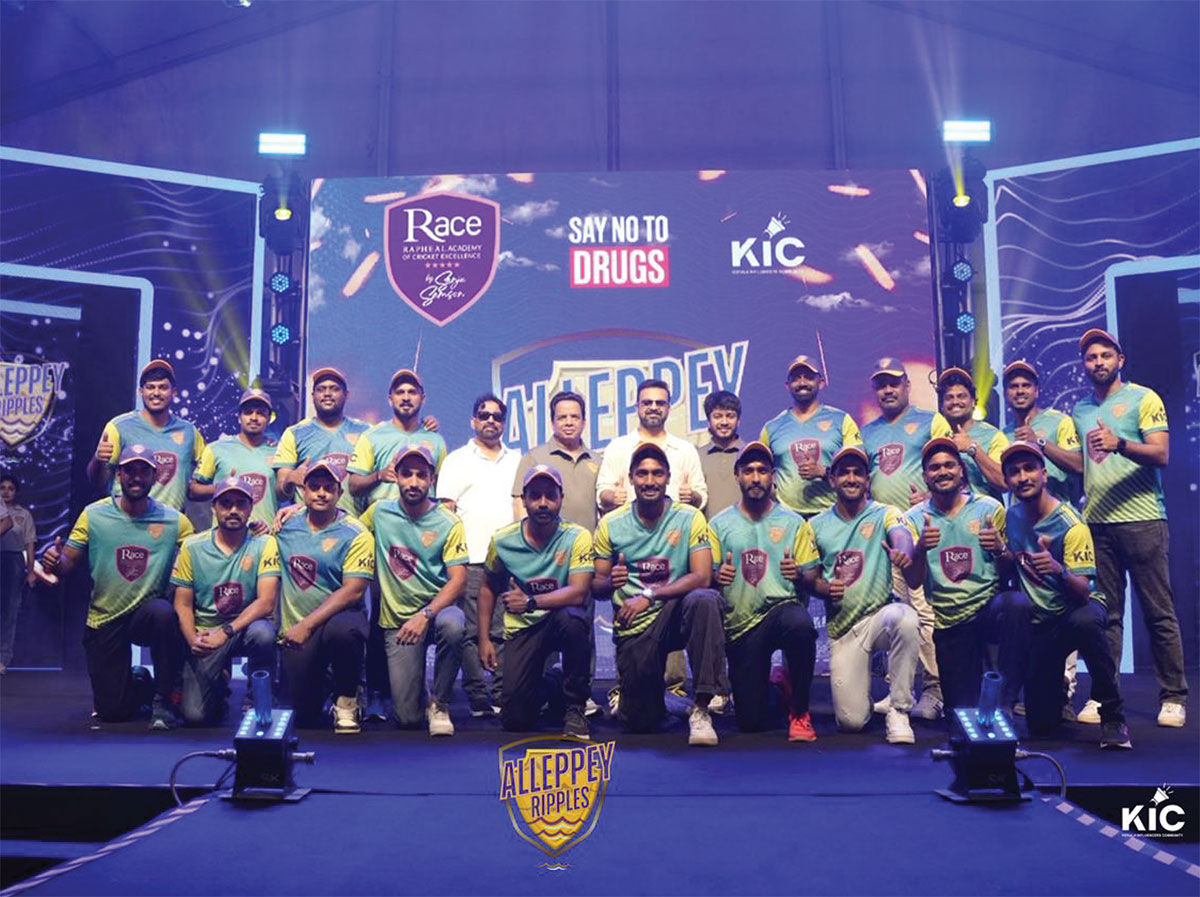
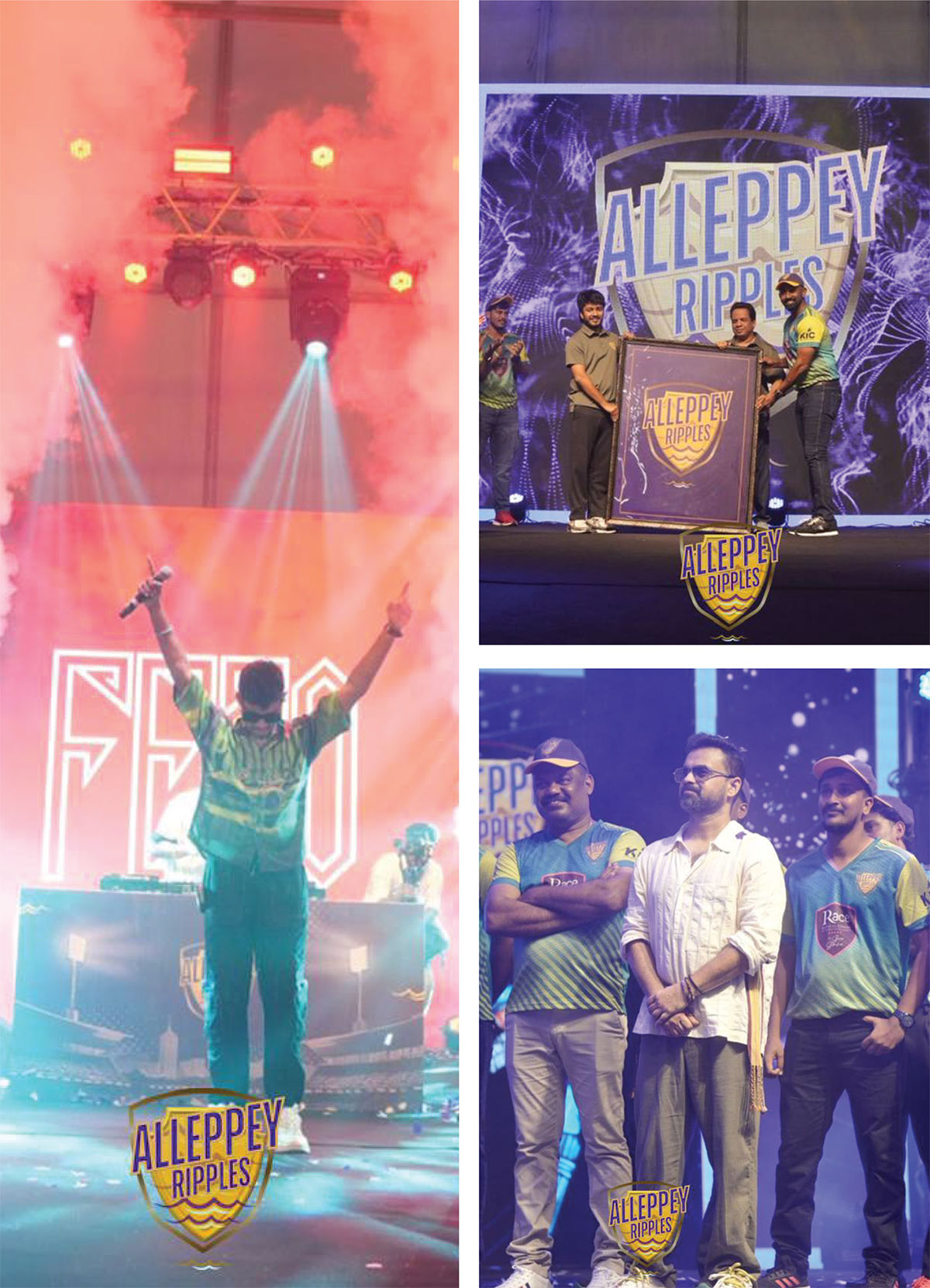
On August 6, Alleppey Ripples officially unveiled their squad for Season 2 in a vibrant, star-studded event at SD College Ground, Alleppey, aptly titled “A New Wave Begins.” The celebration brought together fans, celebrities, and cricket lovers in a spirited display of unity and ambition.

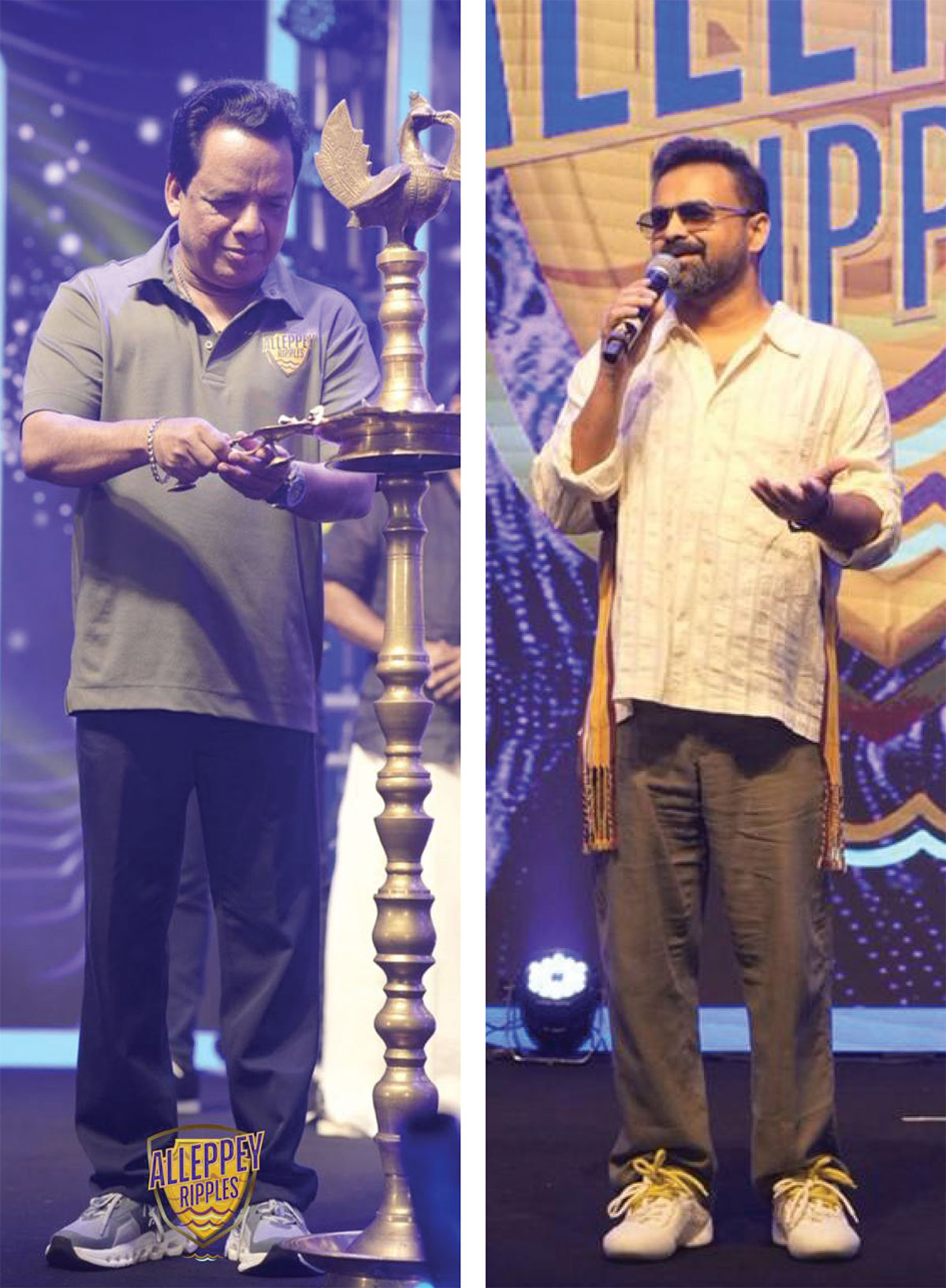
Festivities kicked off with RED FM engaging the crowd, setting the tone for an evening full of excitement. The official ceremony began, led by the grand entry of the chief guest, actor Kunchacko Boban. The formal segment started with an address by franchisee owner Dr. Britto Satheesh. Welcoming the gathering, he set the tone with a stirring speech: He said, “Today we script a chapter for grassroots sports in Kerala — not in the stadiums of the metros, but right here in the heartland of Alappuzha, where talent meets opportunity. This is not just about inaugurating a team; it’s about igniting a movement to recalibrate the trajectory of cricket in Kerala.”

Britto described Alleppey Ripples as “a systematic intervention where district-level athletes will receive professional nurturing — so talent is not lost to obscurity, but elevated to opportunity.”

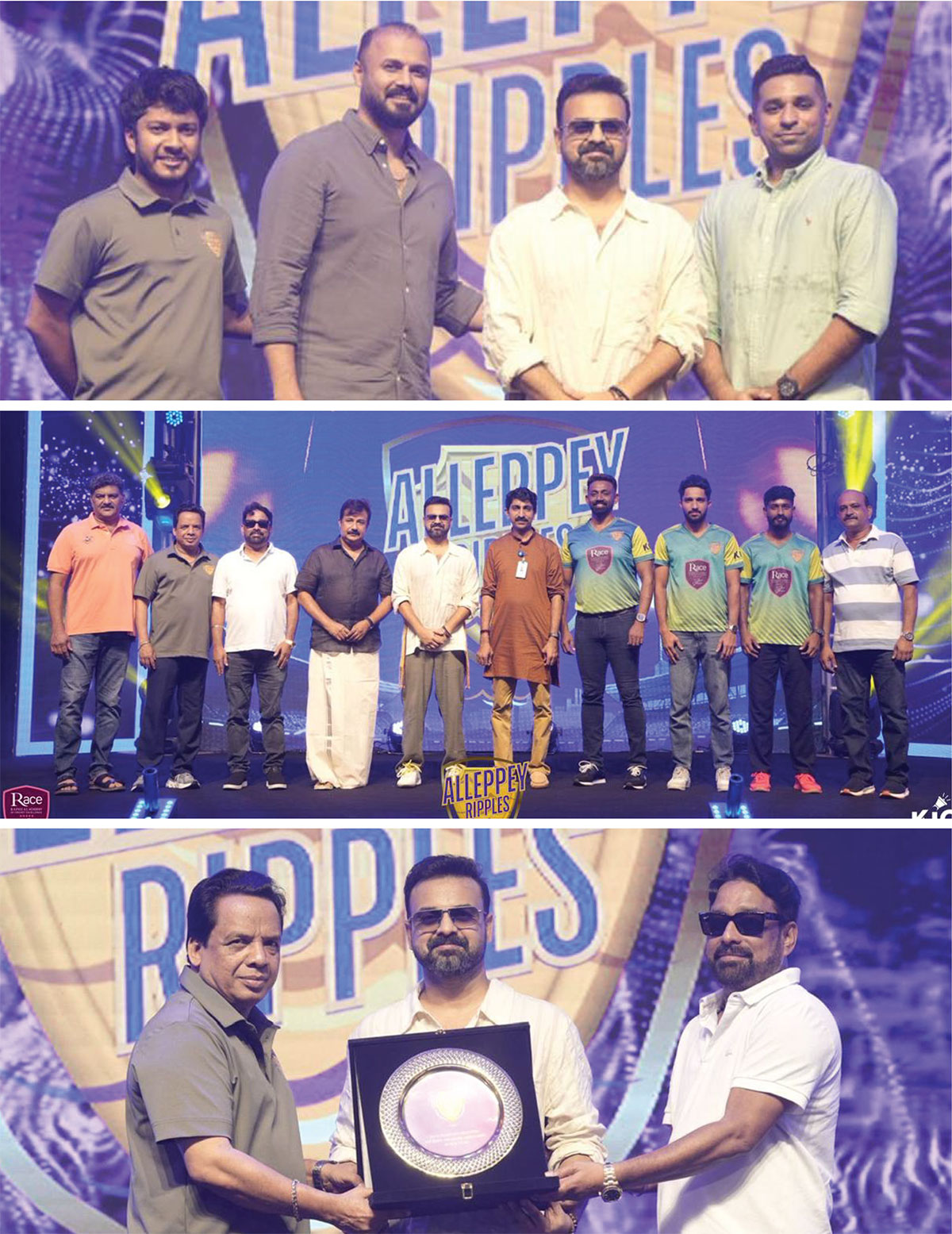
The Directors of CSS Group — Mr. Krishna Kaladharan, Mr. Arjun Bose, and Dr. Britto Satheesh — introduced Kunchacko Boban as the franchise’s brand ambassador.

“His versatility and the characters he portrayed resonate deeply with the Malayalee audience. Hailing from this very soil, his presence here is both fitting and profound,” they noted. The crowd roared as the actor, true to his signature charm, greeted fans, danced, and offered his heartfelt wishes to the team: “Play every match with your best spirit — and bring the trophy home to Alleppey!”

In a gesture of appreciation, Mr. T.S. Kaladharan (Chairman, CSS Group) and Mr. Raphael (Founder, Raphael Academy of Cricket Excellence) presented a memento to the actor. A felicitation by the Principal of SD College followed this.

As dusk settled, a symbolic “Special Moment” took place — dignitaries, owners, sponsors, the chief guest, team coaches, the captain, and the vice-captain lit the ceremonial lamp together, officially marking the dawn of the new season. The entire squad was then revealed to thunderous applause, culminating in a group photograph that captured a snapshot of unity and ambition.

The event transitioned from formal to festive with a spectacular light and sound show, a power-packed performance by Kerala rap star Fejo, and a dynamic set by DJ Ricky Brown. With sponsorship by RACE, featuring Sanju Samson, and social media partner KIC, the launch became a vibrant showcase of Alleppey’s rising cricketing culture and passion.

Alleppey Ripples: Strength Retained, Squad Reinforced

Following a promising campaign in the previous edition, Alleppey Ripples enters the new season with sharpened focus and strategic additions. The team has retained several core players who form the foundation of its strategy. Leading from the front as Captain is Mohammed Azharuddeen, a hard-hitting opener and current Vice-Captain of the South Zone Duleep Trophy squad. Alongside him are Vice Captain Akshay Chandran, a consistent all-rounder, and Vignesh Puthur, the mystery left-arm wrist-spinner who made waves with his IPL debut. Akshay TK returns to provide stability and composure.

The 2025 player auction saw the franchise strengthen its bench with seasoned campaigners. Jalaj Saxena, known for his experience in both IPL and domestic circuits, adds leadership and depth. Basil NP, a top wicket-taker last season and a Duleep Trophy selection, returns with his pace and precision. Sreehari S Nair, a left-arm spinner with sharp control and variety, joins to boost the spin attack.

The team also boasts several rising stars, including Arjun Suresh Nambiar, Akash C. Pillai, Abhishek P. Nair, Arun KA, Rahul Chandran, and Mohammed Kaif. Young talents, including Mohammed Nazil, Sreeroop MP, Anuj Jotin, and Aadithya Baiju, round out a balanced and dynamic squad. Balu Babu, a proud local talent, joins the line-up. The team features four emerging players from Alleppey, underscoring the team’s commitment to nurturing homegrown talent. Head coach Sony Cheruvathur, a seasoned cricketer himself, is the ideal mentor to helm this talented squad as they embark on the new season.

Speaking at the KCL Season 2 launch, Mr. Britto Satheesh stated, “With experienced players forming the backbone and exciting young talent stepping up, Alleppey Ripples is well-prepared for the season. Alappuzha fans now have something more to cheer for beyond ‘Vallom Kalli’ – and that’s cricket.”

Outlook for the Season

With a professional support team, cohesive leadership, and a carefully curated squad, Alleppey Ripples aims for a strong campaign in KCL Season 2. The team’s journey begins with their opening match against Thrissur Titans on August 22. With solid preparation and growing fan support, they are ready to turn their potential into performance.

As the tournament unfolds, one thing is sure: when the Ripples rise, they don’t just make a splash—they create waves.


CSS GROUP POWERING FUTURE-READY LOGISTICS THROUGH KHALIFA PORT

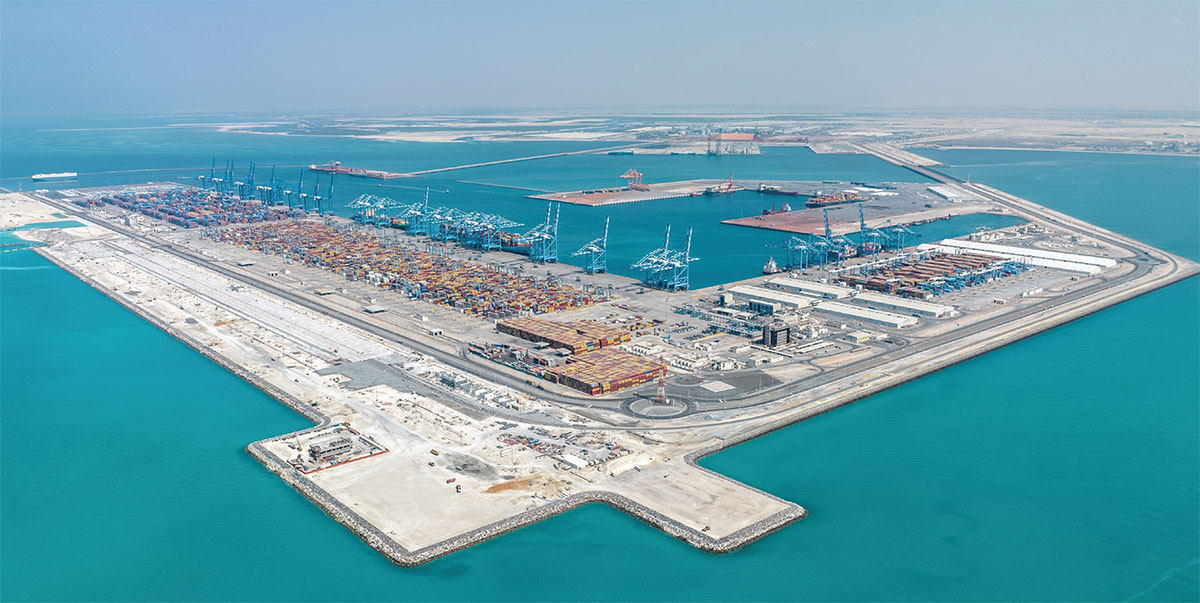
Khalifa Port has become a major trade gateway in the UAE. Located between Abu Dhabi and Dubai, it connects the Emirates to global and regional markets. With its advanced infrastructure, Khalifa Port has become the preferred destination for shipping lines, logistics providers, and industrial players.

A defining feature is its multi-terminal ownership model, which includes global leaders like CMA CGM, COSCO, Abu Dhabi Terminals (ADT), and MSC. This diversified setup drives competition, enhances service efficiency, and fosters technological innovation.

While many global ports face congestion, Khalifa Port ensures faster vessel turnaround and efficient cargo handling. Its design helps it manage high volumes with minimal delays. What truly drives this efficiency is its synchronized collaboration among terminal operators, customs, regulatory authorities, and shipping lines, ensuring that customer needs are prioritized and potential delays are quickly resolved.

Moreover, its strategic location provides access to key industrial hubs, including Abu Dhabi city, Al Ain, and the southern Dubai areas of DIP, DIC, and Technopark. The Al Faya corridor strengthens this reach, enabling smooth cargo flows between the port and industrial zones.

The port also maintains a balance between automation and human interaction. Despite being the region’s first semi-automated terminal, Khalifa Port offers strong customer support and competitive pricing. Its efficiency and reliability have made it the top choice for regional trade.

Smarter Logistics through Connectivity and Integration

Khalifa Port’s logistical strength is significantly enhanced by its integration with the UAE’s national rail network. This rail link enables direct and efficient cargo transport to key Emirates, allowing multimodal solutions that reduce dependence on road freight. Rail connectivity makes Khalifa Port a leader in multimodal logistics. It will enable businesses to combine sea, rail, and road transport for maximum efficiency. This capability aligns with the UAE’s long-term goals for transport and sustainability.

The port is closely linked to KIZAD—Khalifa Industrial Zone Abu Dhabi. KIZAD is one of the region’s largest industrial zones. Together, they offer a robust base for manufacturing, logistics, and distribution. The result is faster production cycles, reduced overheads, and stronger regional trade links. Khalifa Port and KIZAD together form a logistics ecosystem.

Khalifa Port’s smart connectivity, paired with its industrial zone, gives it a long-term advantage. It enables streamlined trade, quicker response times, and future-ready infrastructure.

CSS Group: Driving Multimodal Logistics through Khalifa Port

CSS Group, a key regional logistics player, has long aligned its strategies with Khalifa Port’s strengths. As a leader in freight forwarding, CSS supports critical trade routes and industrial projects that rely on the port’s capabilities. Its active engagement goes beyond traditional logistics—CSS helps clients navigate complex multimodal transitions through solutions like the port-rail link and expedited carrier services originating at the Khalifa terminal.

A shining example of this connectivity in action is CSS Group’s pioneering initiative—the successful execution of the UAE’s first rail movement of carrier-laden containers for export, utilizing the newly operational Etihad Rail network. This milestone reinforces Khalifa Port’s position as a hub capable of handling next-generation supply chain requirements.

CSS supports large-scale infrastructure and industrial projects moving through Khalifa Port. Its services maximize efficiency by using port-rail links and fast-tracked carrier connections. These options are beneficial for cargo that arrives at or departs from the Khalifa terminal.

Southern Dubai presents a unique logistics challenge due to its distance from the port. CSS has addressed this with flexible solutions. By offering alternative loading options via the Al Faya depot, it supports cargo movements from areas like Dubai Investment Park (DIP), Dubai Industrial City (DIC), and Technopark. This gives businesses in southern Dubai direct access to Khalifa Port’s services without added costs or time delays.

By partnering with Khalifa Port, CSS Group delivers value beyond traditional logistics. It helps customers adapt to shifting trade patterns, embrace multimodal transport, and achieve long-term supply chain goals. Khalifa Port is not just a maritime facility—it is a regional trade enabler, logistics powerhouse, and symbol of the UAE’s vision for economic diversification and connectivity. As trade volumes grow and multimodal logistics become the norm, Khalifa Port is poised to remain at the forefront of the region’s shipping and logistics landscape.

SAUDIA CARGO UNVEILS ‘BEYOND’ CAMPAIGN TO DRIVE SAUDI EXPORTS

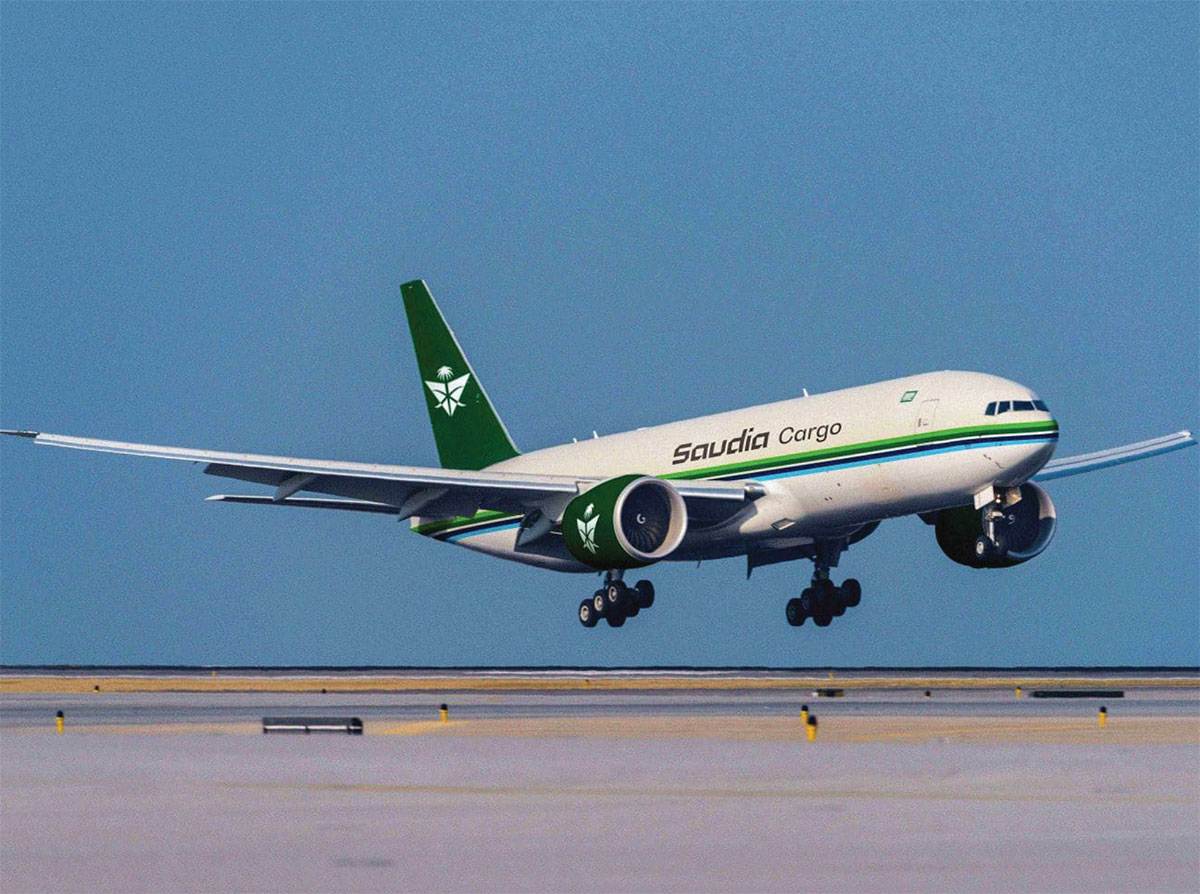
Saudia Cargo has officially launched its new campaign, BEYOND, a strategic initiative designed to enhance the Kingdom’s role in international trade and strengthen the presence of Saudi-made products in global markets. The campaign underscores Saudi Arabia’s ambitions under Vision 2030, which places strong emphasis on diversifying the economy and positioning the Kingdom as a global logistics powerhouse.

At the core of the campaign is the message “From Saudi to the World, We Reach Beyond”, which reflects both national pride and the ambition to extend Saudi products across borders. Saudia Cargo is leveraging its extensive logistics network to transport a diverse range of goods—ranging from agricultural products and dairy items to advanced manufactured exports—ensuring faster access to international markets. The initiative builds on the company’s strong momentum, highlighted by a 14% year-over-year increase in exports, which signals both rising global demand and the company’s expanding operational capabilities.

The BEYOND campaign has been launched in partnership with the Saudi Export Development Authority and the Saudi Made program. Together, these collaborations aim to stimulate local industries, instill confidence among consumers at home and abroad, and make Saudi products a preferred choice globally. By doing so, the initiative is expected to make a meaningful contribution to the Kingdom’s economic diversification goals while reinforcing the global reputation of Saudi-made goods for their quality and reliability.

Expanding Opportunities for SMEs and New Trade Corridors

A key dimension of the BEYOND campaign is empowering small and medium-sized enterprises (SMEs) by providing them with critical logistical support to access international markets. Saudia Cargo’s extensive network is being utilized not only to transport flagship exports but also to open new doors for local manufacturers. This includes expanding export access to emerging and high-potential markets across Asia and Africa.

The company has announced increased focus on destinations such as Manila, Kuala Lumpur, Addis Ababa, Jakarta, and Cairo—routes that represent significant opportunities for Saudi exporters to reach diverse consumer bases. In addition, Saudia Cargo recently launched a new route to Zhengzhou (CGO) in China, further extending its global footprint. By connecting exporters to new trade corridors, the initiative helps SMEs overcome barriers to entry in global markets, enabling them to scale operations and compete on an international level.

BEYOND: A Catalyst for Growth and Global Competitiveness

These advancements boost Saudi Arabia’s export capacity while integrating the Kingdom more deeply into global supply chains. Saudia Cargo is directly contributing to Vision 2030, supporting the growth of resilient industries and stronger trade networks.

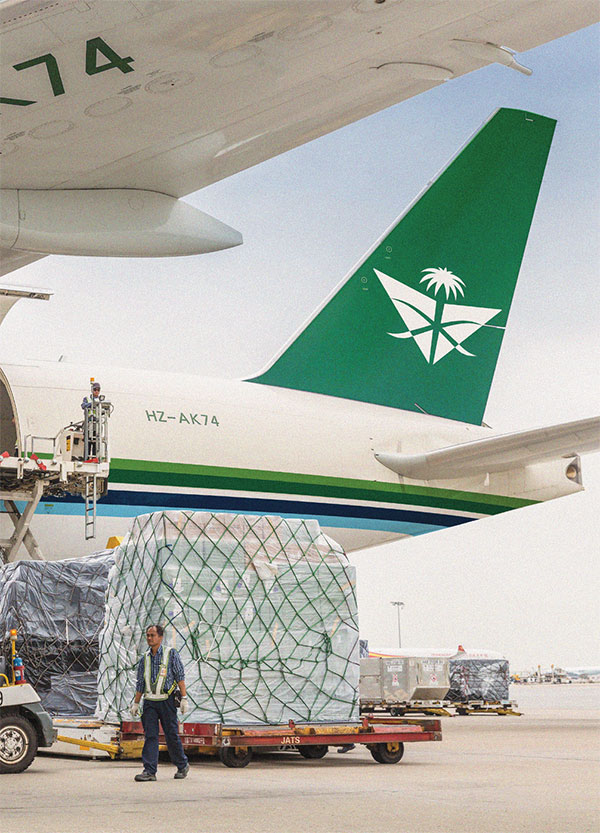
Operational strength is central to this progress. It operates flights to nearly 100 airports and 250 destinations across four continents. As a SkyTeam Cargo member, it connects to 150 freighter destinations and almost 800 passenger destinations worldwide. This global reach enables Saudi exporters to gain faster access to international markets. Its Boeing freighters carry a diverse range of goods, from e-commerce and pharmaceuticals to high-value shipments, hazardous materials, and perishables. This adaptability ensures both large exporters and SMEs can depend on Saudia Cargo for reliable, efficient, and secure logistics solutions.

The BEYOND campaign goes beyond operational growth. It opens new trade corridors, supports small businesses, and drives diversification of the Saudi economy. It reflects a vision built on logistics excellence, competitiveness, and national pride. More than an initiative, BEYOND is a statement of ambition. By expanding the reach of Saudi exports and supporting SMEs, Saudia Cargo is creating new growth opportunities. Through these efforts, the Kingdom is positioning itself as a dynamic and influential player in global commerce.


ONAM AT CSS – A TRADITION OF TOGETHERNESS

As we welcome the festive season of Onam, we extend our heartfelt wishes to our colleagues, partners, and their families. Onam is Kerala’s most cherished harvest festival, symbolizing harmony, prosperity, and shared joy. Rooted in the legend of King Mahabali, it carries forward timeless values of equality, inclusivity, and community spirit. These are the very values that continue to inspire us at CSS and shape the way we work together.

Onam has always held a special place in the hearts of CSS. Over the years, our celebrations have grown into a meaningful tradition that brings together employees, friends, and well-wishers. Beyond its cultural beauty, Onam reminds us of the importance of unity, cherishing shared moments, and recognizing the collective strength that drives us forward as a community. Each year, our celebrations have become an opportunity not only to honor heritage but also to strengthen the bonds that define our corporate family.

The festival also mirrors the core values that guide everything we do at CSS. Our commitment is reflected in the way every team member comes together with enthusiasm to make the occasion meaningful. Integrity shines through in the honest joy and openness of spirit that mark our celebrations. Teamwork is at the very heart of Onam, as colleagues across departments collaborate seamlessly to create memorable experiences. Innovation finds expression in the creative designs of pookkalams, the lively cultural performances, and the fresh ideas that make each year’s festivities unique. Most importantly, nurturing relationships is what defines the season, as we strengthen our connections with employees, partners, service providers, and customers, much like families reconnecting during Onam.

From the colorful floral carpets to the vibrant rhythms of chenda melam, every detail of the “Onam mood” reflects togetherness. The grand Onam Sadya, served on a single banana leaf, symbolizes gratitude and abundance. At the same time, the laughter and camaraderie we share highlight the sense of belonging that makes CSS more than just a workplace. These moments remind us that our success is not only measured by milestones, but also by the joy we create and the relationships we cherish.

As we embrace this year’s Onam, we carry forward the warmth, excitement, and community spirit of past celebrations. The festival inspires us to continue building unity, collaboration, and shared success, just as it has for generations.

On behalf of the CSS family, we wish you and your loved ones a very happy and prosperous Onam. May this festive season bring happiness, harmony, and abundance into your lives and light the way to a future filled with hope and success.

DUBAI EXPANDS JEBEL ALI PORT TO BOOST AUTOMOTIVE TRADE

Dubai has reinforced its position as the Middle East’s leading automotive logistics hub with a major capacity upgrade at Jebel Ali Port. DP World has completed the development of a new 2.6 million square foot vehicle storage yard at Terminal 4, increasing the port’s automotive handling capacity by 21% to 75,000 car equivalent units (CEUs).

The expansion adds 13,000 CEUs of storage space and features an 800-metre quay designed to berth up to three roll-on/roll-off (RoRo) vessels simultaneously. By relocating RoRo operations from Terminal 1 to this purpose-built facility, DP World has freed up valuable space for other cargo types, improved berth availability, reduced vessel turnaround times, and streamlined port-wide operations.

Jebel Ali Port’s strategic location already makes it a critical link between manufacturing hubs in Asia, Europe, and the Americas and consumer markets across the Middle East and Africa. The new automotive yard strengthens this role, positioning the port to absorb additional traffic and manage growing demand without operational bottlenecks.

Responding to Rising Vehicle Volumes

The capacity upgrade is a direct response to the surging automotive trade through Dubai. In the first half of 2025 alone, Jebel Ali Port handled 545,000 vehicles — a 28% increase compared to the same period in 2024. Imports accounted for 65% of the total volume, with the largest share originating from China, Japan, Thailand, India, and South Korea.

Relocating RoRo handling to Terminal 4 allows for better consolidation of automotive operations. This shift provides more predictable scheduling for vessel berthing and optimises yard utilisation, ensuring that high volumes can be processed with minimal delays.

The dedicated layout of the new yard also enables DP World to accommodate seasonal peaks and fluctuating demand more efficiently. The design facilitates speeding up unloading, inspection, and transfer of vehicles, contributing to shorter lead times. By separating automotive flows from other cargo types, the port can maintain high throughput without compromising service levels in different segments.

Designed for Efficiency and Future Growth

The Terminal 4 facility is purpose-built for automotive logistics, integrating high-capacity storage areas with direct quay access to reduce internal transfer times. The yard’s configuration supports large-scale storage while enabling smooth circulation of vehicles for pre-delivery inspections, modifications, and value-added processing.

Advanced tracking systems offer end-to-end visibility, enabling manufacturers, dealers, and logistics providers to monitor shipments in real-time. These capabilities align with just-in-time supply chain models, where speed and precision are critical to meeting market demand.

Additionally, the increased capacity can accommodate projected increases in vehicle volumes driven by population growth, rising consumer demand, and the expansion of automotive manufacturing in Asia. This positions Jebel Ali Port to capture new trade flows and maintain its competitive edge against other regional ports. By consolidating automotive operations at a single, highly efficient terminal, DP World has created an optimised environment for RoRo cargo. It enables faster vessel turnaround, reduces congestion, lowers costs, and improves market responsiveness.

Strategic Role in Dubai’s Automotive Vision

The Terminal 4 expansion forms part of a broader automotive strategy that includes developing a 20 million square foot advanced car market in Dubai, set to be the largest in the world. This initiative will centralise showrooms, auctions, and logistics services into a single, integrated hub.

Both projects directly support the Dubai Economic Agenda D33, which aims to double the emirate’s economy by 2033 and strengthen its position as a global logistics leader. With increased capacity, optimised operations, and future-ready infrastructure, Jebel Ali Port is positioned to meet growing vehicle demand and expand trade links. This will reinforce Dubai’s role as a critical automotive gateway for the Middle East, Africa, and beyond.


Employees Of The Month

May 2025

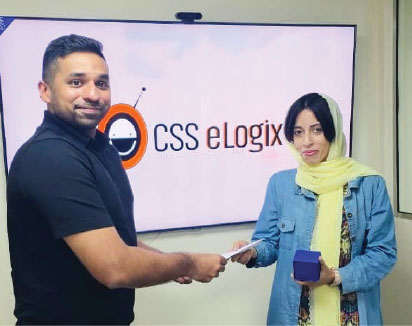
Laila Naasse
Sr. Customer Service Executive – CSS eLogix

Laila Naasse is being nominated for her exceptional dedication, consistent performance, and positive impact on the team’s success. She demonstrates reliability, proactive problem-solving, and a commitment to exceeding expectations, making her a valuable asset to the organization.

Awarded By
Dr. Britto Satheesh – Managing Director – CSS eLogix


Premji Prakasan
Tally cum Coordinator – Warehouse – SCM

Premji Prakasan is a good performer who handles data entry for inbound and outbound activities accurately and effectively. His performance is consistent, and he is very dedicated to his job. He continues to contribute positively to daily operations with focus and reliability.

Awarded By
Sunil Kumar P S – Warehouse Incharge (SCM)


June 2025

Syamnath Viswanath
Tally Clerk – CFS

He is currently working as a Senior Tally Clerk and executes his job with precision. He handles day-to-day operations on time, is proactive, performs his duties effectively, and coordinates well with colleagues and customers. There are no mistakes, proper follow-up is maintained, and he has no absences.

Awarded By
Jayandan P I – Manager (CFS Warehouse)


July 2025

Ardra M S
Coordinator – NVOCC Operations (CSLC)

Ardra is being nominated for exceptional performance and dedication, having managed over 150 DG booking requests, confirmed 79, and ensured timely sailings. Her efforts have earned appreciation from key customers, including DHL, for the quality of DG services provided.

Awarded By
Joel Tauro – Manager – NVOCC OPS


Vivek Anand Kannath
Tally Clerk – Warehouse Operations

We are nominating Mr. Vivek as Employee of the Month for his consistent hard work, accuracy in inventory handling, and dedication to maintaining a well-organized WH activity.

Awarded By
Ranoop Kallampunathil – Warehouse Incharge (CKL Sharjah)

Chairman’s Message

T S KALADHARAN

Building Smarter Networks for a Connected Tomorrow
In today’s supply chain landscape, logistics is no longer a back-end function. It is a strategic force driving national competitiveness, regional collaboration, and technological innovation. What we move, how we move it, and the ecosystems we build around that movement are now at the center of how economies grow and how industries evolve.

Regional Connectivity Is the New Currency
One of the most defining developments we have seen over the past few months, was the strategic partnership between Saudia Cargo and China Cargo Airlines, enhancing freight frequency between Riyadh and Shanghai. This is more than a bilateral agreement, it is a signal that Asia–Gulf–Europe corridors are becoming the new growth arteries of global trade. As the demand for quicker, more reliable cargo movement intensifies, airlines and logistics providers that can deliver on speed and scale will shape the future.

At the same time, Qatar’s emergence as a regional logistics powerhouse—leveraging Hamad Port and Hamad International Airport—highlights a growing trend on future forward countries are investing in integrated logistics ecosystems. These are not isolated infrastructure projects; they are strategically designed hubs that connect sea, air, road, and rail with digital systems and real-time visibility.

The potential integration of Etihad Rail with Kuwait’s transport networks is a promising step toward cross-border freight mobility. Regional connectivity is an imperative in driving growth and prosperity.

E-commerce Is Redefining Operations
The e-commerce boom continues to push boundaries. In the UAE, Amazon’s use of dark stores—warehouses designed purely for rapid online fulfilment—is a telling example of how logistics must adapt to the new definition of ‘convenience.’ It’s no longer about just delivering fast; it’s about anticipating demand, placing inventory closer to consumption points, and enabling flexible last-mile solutions.

With smarter, automated and AI-enabled warehousing, the transformation of Saudi logistics is remarkable. The Kingdom is building not just capacity, but capability—making its logistics sector more agile, data-driven, and future-ready.

Technology As a Differentiator
At CSS, we’ve always believed that the next frontier of logistics lies at the intersection of infrastructure and intelligence.
New developments like the automatic EV charging station in the US aimed specifically at logistics vehicles and the electrification of fleets reaffirm this belief. Autonomous infrastructure will redefine distribution models in the coming decade. From lowering operational costs to reducing downtime, innovations like these are turning ESG ambitions into everyday business advantages.

The Way Forward
What do these developments mean for us at CSS and for our peers across the logistics value chain?
First, we must build for resilience, not just efficiency. Whether it’s through regional partnerships, smart warehousing, or multimodal integration, we need to create supply chains that bend but don’t break.

Second, we must lead with foresight. The companies that thrive will be those that invest in long-term infrastructure while adapting to short-term demand shifts.
Finally, we must put people and partnerships at the center. Technology may power logistics, but it’s trust that fuels it. Trust in processes, in people, and in the promise to deliver.

As we step into the second half of 2025, let us move forward not just with speed—but with purpose. Let us remain learners, collaborators, and custodians of an industry that quietly powers the world.

CSS KSA: POWERING SAUDI ARABIA’S LOGISTICS VISION WITH GLOBAL EXPERTISE

As Saudi Arabia accelerates its transformation under Vision 2030, logistics is emerging as one of the nation’s most strategically important sectors. With the government aiming to position the Kingdom as a global logistics hub connecting Asia, Africa, and Europe, investments in infrastructure, technology, and trade facilitation are reaching historic highs. CSS KSA, a part of the CSS Group, plays a pivotal role in shaping the logistics narrative within the Kingdom.

With well-established operations across Riyadh, Dammam, and Jeddah, CSS KSA is enabling seamless and scalable logistics solutions for regional and global trade. From bonded trucking facilities to specialized project logistics, the CSS team in Saudi Arabia supports not only economic growth but also helps drive the country’s global trade ambitions.

Chairman of CSS Group, Mr. T.S. Kaladharan, reflects on this evolution, noting that “Saudi Arabia has always held strategic importance for CSS. Our presence in the Kingdom reflects both our commitment to the region and our belief in its incredible potential. The team at CSS KSA is doing remarkable work. As they expand bonded services and warehousing solutions, I am confident we are only at the beginning of a powerful growth story.”

STRATEGICALLY POSITIONED, EXPERTLY DELIVERED

CSS KSA has strategically established its operations in three of the Kingdom’s key commercial and logistics corridors—Riyadh, Dammam, and Jeddah. Each location is equipped with tailored infrastructure and a team of highly skilled professionals, ensuring comprehensive, end-to-end logistics support for a wide range of industries.

CSS KSA provides Non-Vessel Operating Common Carrier (NVOCC) services with a global reach and localized efficiency. The team manages comprehensive ocean freight solutions, covering full-container load (FCL), less-than-container load (LCL), and breakbulk shipments. They also specialize in air freight and charter management, handling urgent and time-sensitive cargo with precision and expertise.

Land transportation is another cornerstone of their offerings, ensuring safe, efficient, and timely overland cargo movement across domestic and international routes. Additionally, CSS KSA excels in project logistics, coordinating complex and large-scale cargo operations with meticulous planning and execution.

Multimodal operations, including sea/air and sea/land services, are strategically designed to optimize transit time and cost. The company also offers both third-party (3PL) and fourth-party logistics (4PL) services, taking complete control of supply chain management for businesses seeking streamlined operations.

Heavy equipment logistics is handled with care and expertise, including the movement of oversized, high-value machinery. CSS KSA also caters to the automotive sector with specialized auto logistics solutions. Their capabilities extend to yacht and marine logistics, managing high-end marine cargo with the attention it demands.

Further, the team offers industrial packing, lashing, and crating services that meet international shipping standards. They support hospitality and hotel projects with tailored logistics planning and also manage end-to-end logistics for exhibitions and events throughout the Kingdom.
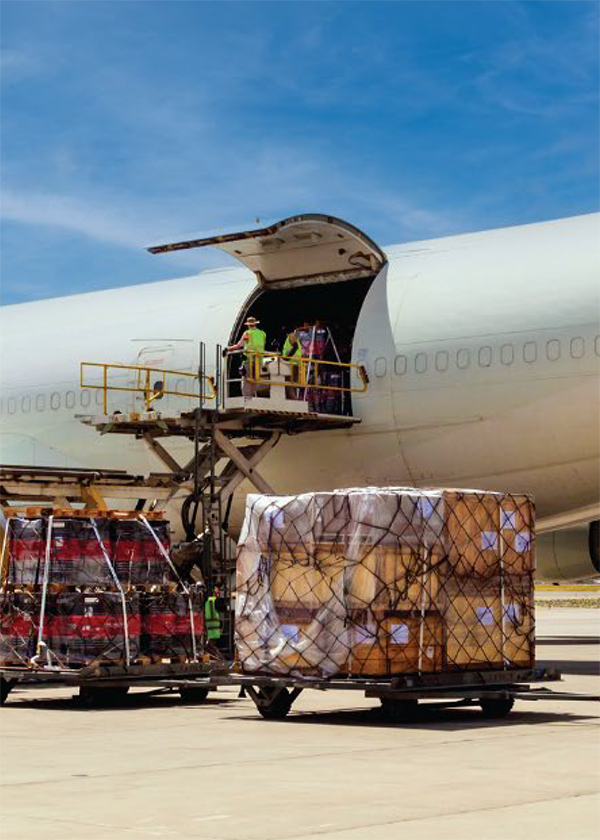
What sets CSS KSA apart is its ability to integrate these services under one roof, offering clients the convenience of a single-point solution backed by global reach and local expertise.

NEW MILESTONES ON THE HORIZON

In a significant step towards strengthening its logistics infrastructure in the Kingdom, CSS KSA is preparing to launch a bonded trucking facility between Dammam and Jeddah—a move expected to enhance speed, security, and efficiency in cargo transfers across regions. This initiative will play a key role in facilitating the movement of import and export cargo within bonded status, thereby saving time and reducing customs complexities.

Complementing this, CSS is also preparing to open bonded warehouses in Riyadh, Dammam, and Jeddah, reinforcing its commitment to enabling cost-effective and compliant logistics services across KSA’s key economic centers. “Our Import Direct Consolidation (Direct Consol) to KSA service has been a game-changer,” says Anas Nizarudeen, Business Development, CSS KSA. “By offering direct LCL consolidation services into the Kingdom, we’ve reduced lead times and improved reliability for clients across verticals—from retail and FMCG to automotive and industrial projects.”

Anas further emphasizes the company’s alignment with national priorities, adding, “The CSS KSA journey is deeply aligned with the Kingdom’s vision for the future. Our expansion plans, including bonded warehousing and trucking, are designed to empower trade, simplify logistics, and deliver measurable value to our clients.”

NAVIGATING COMPLEXITY WITH CONFIDENCE

Saudi Arabia’s logistics environment is marked by rapid evolution and increasing sophistication. To stay ahead, CSS KSA continues to invest in people, processes, and technology. Whether it’s managing oversized project cargo or delivering door-to-door logistics for luxury hospitality brands, the CSS team consistently brings precision, flexibility, and foresight to every operation.

In logistics, it’s never just about moving goods,” Anasmon. “It’s about anticipating variables, optimizing costs, and ensuring every delivery meets the client’s expectations. That’s the CSS promise.”

MULTIMODAL EXPERTISE AND PROJECT LOGISTICS

CSS KSA’s strength in multimodal logistics—especially Sea-Air and Sea-Land operations—ensures optimized transit times and cost efficiencies. This flexibility is crucial in a region where cross-border regulations, time-sensitive cargo, and variations in infrastructure all influence logistics strategies.

The division has also handled several large-scale projects involving heavy equipment logistics, industrial packing, and event logistics for key clients in energy, construction, and public sector initiatives. Through integrated planning, close coordination, and the use of advanced handling techniques, CSS KSA has established itself as a trusted project logistics partner in the Kingdom.

A VISION ANCHORED IN PEOPLE AND PERFORMANCE

Behind CSS KSA’s continued growth is a dynamic team backed by the global CSS Group’s values: customer satisfaction, teamwork, and continuous innovation. From frontline operations to business development and strategic leadership, the team in Saudi Arabia represents a rich mix of experience and youthful energy.

The support from CSS Group’s global network—including branches across the UAE, Bahrain, Oman, Qatar, Turkey, Kenya, Sri Lanka, and India—adds strength to the company’s local delivery. It also ensures that clients benefit from international best practices, digital tools, and global service assurance.

TECHNOLOGY, TRANSPARENCY, AND TRUST

As part of CSS Group’s broader digital transformation journey, CSS KSA is also integrating tools that allow for real-time shipment tracking, enhanced customer engagement, and transparent billing processes. These innovations not only reduce turnaround times but also empower clients with visibility and control over their cargo.

Additionally, upcoming AI-based platforms and paperless workflows will be rolled out across the KSA branches in line with the group-wide digital agenda—an initiative designed to increase operational agility and reduce costs by up to 30%.

LOOKING AHEAD: GROWTH WITH PURPOSE

CSS KSA’s immediate roadmap includes the launch of bonded trucking between Jeddah and Dammam, the opening of bonded warehouse facilities in Riyadh, Dammam, and Jeddah, and the expansion of the Direct Consol import program into new trade lanes. The company also plans strategic hiring to enhance specialized verticals like hospitality logistics, auto logistics, and events.

With these developments, the company is well-positioned to capitalize on the growing demand for agile and integrated logistics solutions in Saudi Arabia. “We’re building more than logistics capabilities—we’re building trust,” concludes Anas. “Our clients know that with CSS KSA, they can expect reliability, speed, and support every
step of the way.”

CSS KSA’s growth mirrors the transformation of the Kingdom itself: bold, forward-thinking, and intensely focused on excellence. With new infrastructure on the horizon, multimodal solutions gaining momentum, and a team fueled by purpose, CSS KSA is charting a new path for logistics in Saudi Arabia—one built on innovation, trust, and long-term vision.

As the Kingdom rises to become a global logistics powerhouse, CSS KSA will continue to play a key role in its journey, delivering value through every shipment, solution, and milestone.

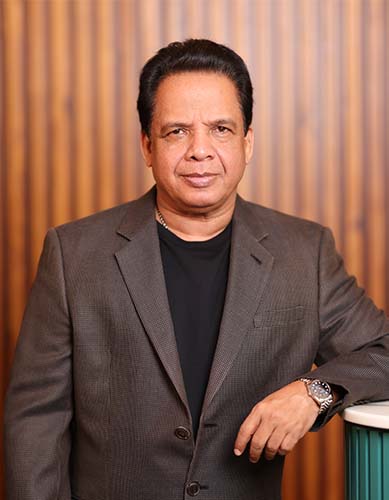
ABU DHABI’S FREIGHT FORWARDING EVOLUTION: DRIVING THE FUTURE OF LOGISTICS

The freight forwarding industry in Abu Dhabi is undergoing rapid evolution, driven by significant infrastructure investments, diversification efforts, and strategic national projects. With its position as a key logistics hub, Abu Dhabi is seeing strong demand for specialized logistics services, particularly in support of large-scale oil, gas, and renewable energy projects. The integration of Etihad Rail has further strengthened multimodal connectivity, offering sustainable alternatives to road transport and enhancing inland cargo movement.
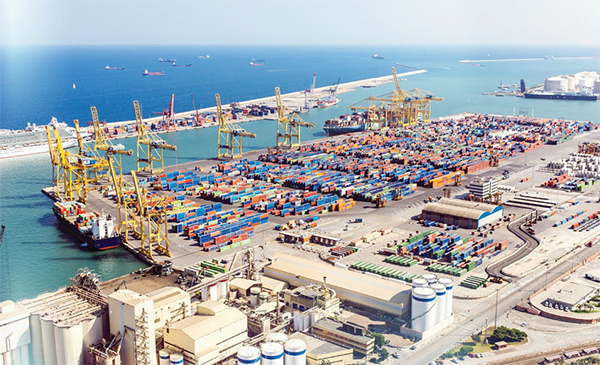
Sustainability is becoming a central tenet of Abu Dhabi’s logistics strategy. In line with the UAE’s Net Zero 2050 vision, key logistics players and infrastructure providers are implementing initiatives such as solar-powered warehouses, low-emission cargo handling equipment, and LEED-certified logistics facilities. Etihad Rail itself is expected to cut greenhouse gas emissions by millions of tons annually by shifting heavy freight from road to rail. Freight forwarders are also increasingly aligning with green supply chain practices, including carbon offsetting programs and the adoption of recyclable packaging solutions.

On the technology front, Abu Dhabi is leading the region’s digital logistics transformation. Maqta Gateway, the digital arm of AD Ports Group, is streamlining operations through paperless trade, blockchain-secured customs clearance, and real-time cargo visibility. Logistics companies are adopting advanced transportation and warehouse management systems, while artificial intelligence and predictive analytics are being utilized to optimize delivery routes, enhance cargo forecasting, and minimize downtime. Automation is becoming more prominent in warehousing and distribution, with pilot projects involving robotics and drones gaining traction.

From a regional perspective, Abu Dhabi is strategically positioning itself as the logistics backbone of the UAE and the wider Gulf.

Khalifa Port, now one of the world’s fastest-growing ports, is directly linked to Etihad Rail and KEZAD, forming an integrated ecosystem that is ideal for international manufacturers, distributors, and project owners. Mussafah, meanwhile, remains the industrial heartland for heavy cargo and engineering equipment logistics. The emirate is also expanding overland freight corridors with Saudi Arabia and strengthening maritime links with East Africa and the Indian Subcontinent, enhancing its role in regional re-export and transshipment trade.
In summary, Abu Dhabi’s freight forwarding industry is undergoing a phase of strategic transformation. It is embracing sustainability, driving digital innovation, and leveraging regional integration to become a resilient and future-ready logistics powerhouse—supporting not only domestic economic growth but also broader connectivity across the Middle East, Asia, and Africa

Page1 Page2 Page3 … Page5

CSS Newsletter

NOV - DEC 2025

In this issue:

Quick Links

  • Home
  • About
  • Services
  • Corporate Brochure
  • CSS Corporate PPT
  • News Media
  • Lighthouse
  • Careers
  • Contact us

Locations

  • Dubai
  • Abu Dhabi
  • Sharjah
  • Ras Al Khaimah
  • Bahrain
  • Oman
  • Qatar
  • Saudi Arabia
  • Kuwait
  • Kenya
  • Turkey
  • India

Subscribe to our bi-monthly newsletter, Lighthouse

  • Follow Us
© 2025 CSS Group. All rights reserved. Crafted with by Netventure