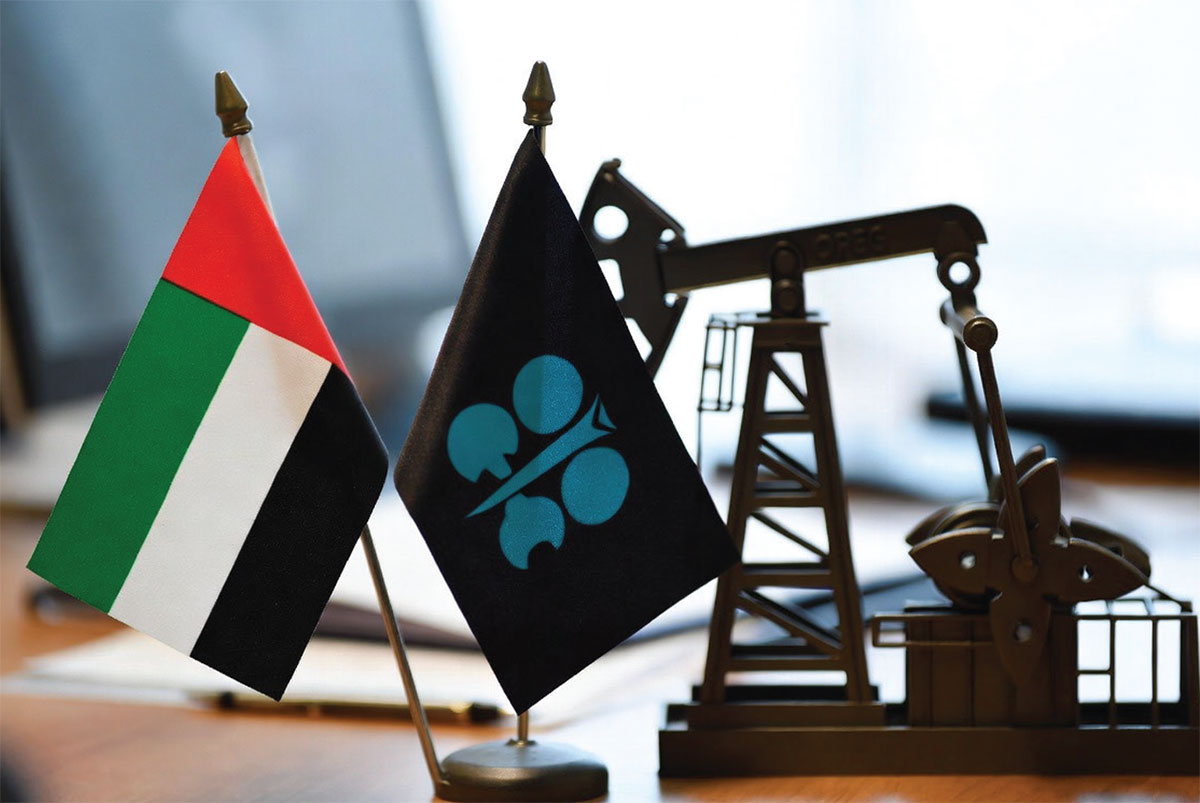
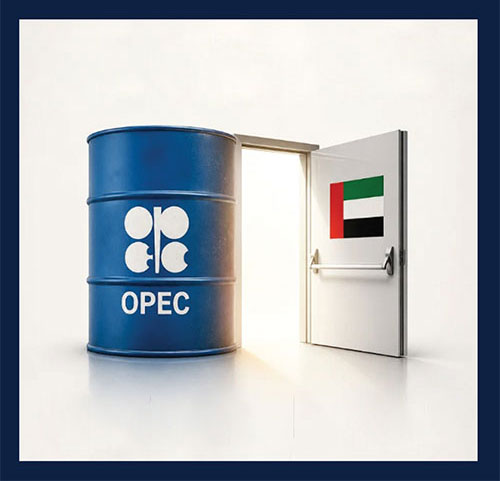
 The United Arab Emirates officially withdrew from OPEC and the wider OPEC+ alliance on May 1, ending more than five decades of membership and marking a major shift in its oil production strategy. Ahead of an OPEC meeting in Vienna, the UAE announced its withdrawal following a review of its production strategy and economic priorities. Officials said the move would provide greater flexibility in responding to market dynamics while supporting global energy stability.
Key developments linked to the UAE’s exit:
- Greater freedom to increase oil production outside OPEC quotas
- Plans to raise production capacity from 3.4 million to 5 million barrels per day by 2027
- Increased activity at ports such as Jebel Ali Port
- Higher tanker movement through the Strait of Hormuz
- More variable shipping volumes and freight demand
Analysts say the move may also contribute to higher volatility in oil prices. Since fuel remains a major cost for trucking, aviation, and maritime transport, fluctuations in oil prices could directly affect freight rates, logistics planning, and delivery schedules across the region.
The decision also comes after a turbulent period for OPEC, when production fell 27% to 20.79 million barrels per day during a recent geopolitical crisis.
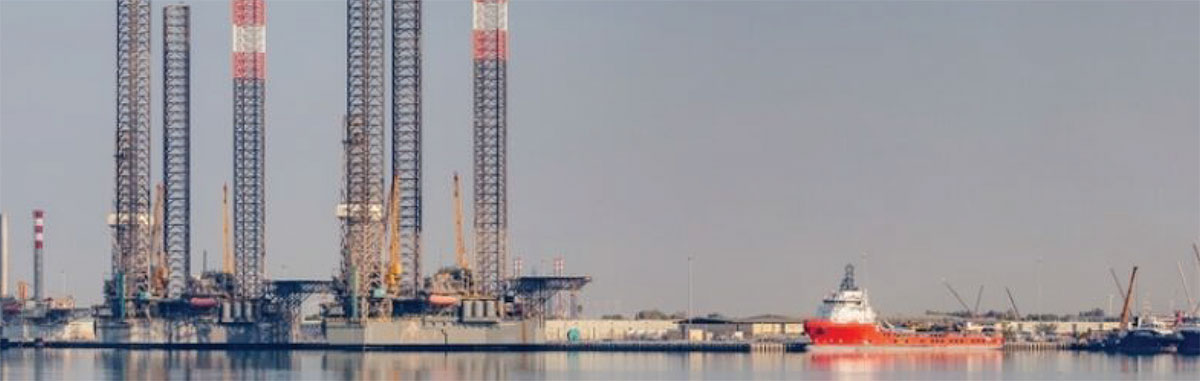 Diversification Strategy Strengthens UAE’s Logistics Position
The UAE’s departure from OPEC also reflects its broader economic diversification strategy. Non-oil sectors now account for nearly 75% of the country’s GDP, while investment continues in oil, gas, renewables, and low-carbon energy solutions.
At the same time, the UAE has strengthened its position as a global logistics and trade hub through:
- Expansion of global port operations by DP World
- Improved inland cargo connectivity through Etihad Rail
- Growth in warehousing, multimodal transport, and re-export services
- Increased focus on Asia-Europe-Africa trade corridors
The UAE’s withdrawal from OPEC+ reflects growing tensions over production quotas, particularly as some members expanded capacity beyond assigned output levels.
Although no immediate disruption is expected, the move could gradually reshape regional logistics networks, shipping activity, and global energy trade patterns in the years ahead.