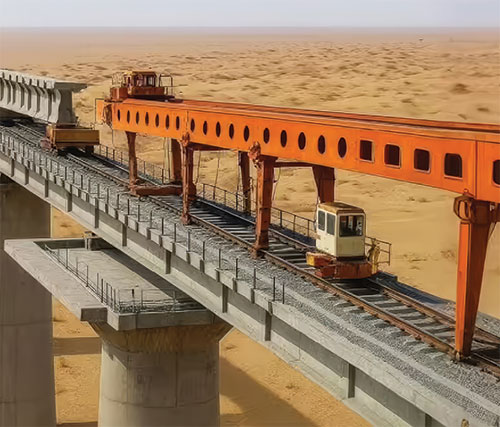
China is building one of its most ambitious railway infrastructure projects through the challenging terrain of the Gobi Desert. It demonstrates how modern engineering can overcome some of the world’s harshest environmental conditions.
The railway will connect China’s Ganqimaodu region with Mongolia’s Gashuun Sukhait border crossing. Once completed, it is expected to move about 30 million metric tons of freight annually.
The China Gobi railway project represents a bigger shift in global trade, mineral supply chains, and energy security.
Engineering Solutions for Extreme Desert Conditions
Constructing a railway across the Gobi Desert requires overcoming extreme temperatures, shifting sands, and powerful winds. Engineers have adopted several innovative solutions to ensure safe, reliable operations:
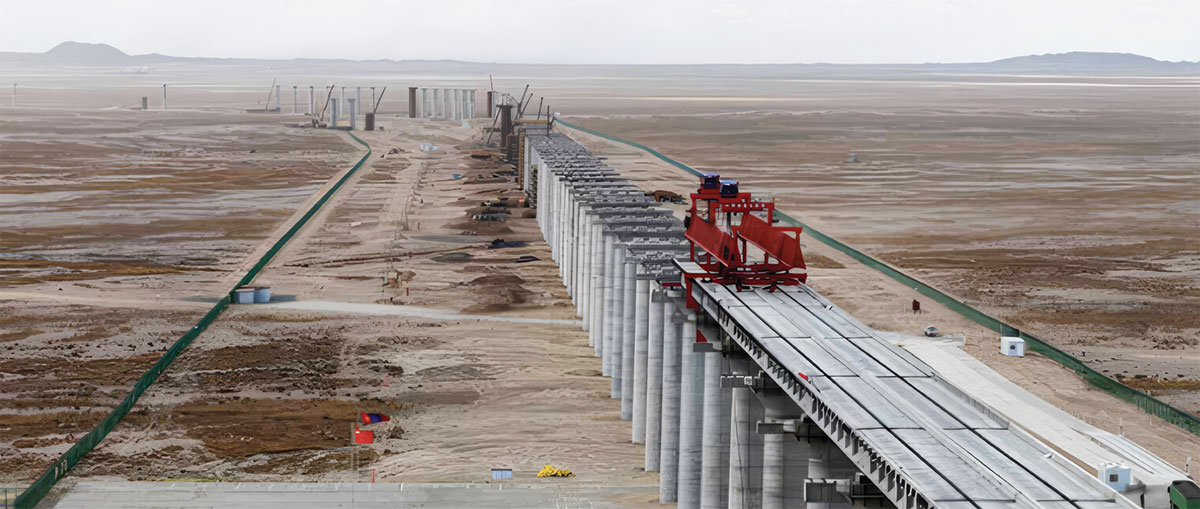
Elevated rail systems: Reduces sand accumulation.
Concrete viaducts and pillars: Provide stability on shifting terrain.
Elevated tracks: Withstand extreme thermal expansion.
Smart monitoring systems: Track weather and structural health, enabling proactive maintenance.
These innovations enhance safety, reliability, and long-term operational performance.
Driving Trade and Regional Connectivity
The railway is part of a broader strategy to strengthen logistics links between China’s Inner Mongolia, Mongolia, and Russia. It will improve the movement of coal, copper, rare earth elements, and other key resources while reducing transport costs and delivery times.
Experts estimate that transporting bulk commodities from inland China to Russia through this corridor could lower logistics costs by up to 30% compared with traditional coastal shipping. Lower transport costs are expected to encourage greater cross-border trade and economic cooperation.
A Landmark Infrastructure Project
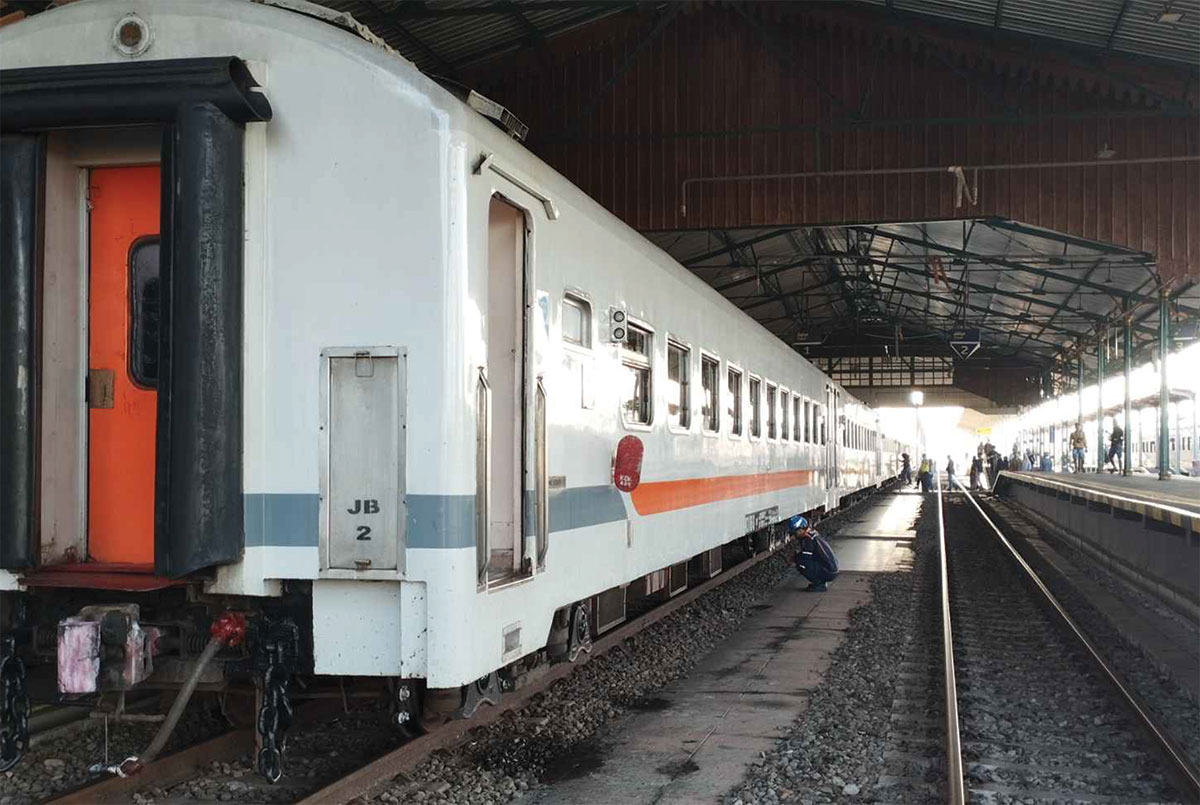
The Gobi Desert railway project comes nearly 70 years after the first China–Mongolia rail connection between Erenhot and Zamyn-Uud opened in 1956. As part of China’s Belt and Road Initiative (BRI), the project aims to strengthen international trade, improve regional connectivity, and deepen economic cooperation across
Eurasia.
Spanning approximately 1,800 kilometres, the railway is expected to take four to six years to complete. By combining advanced engineering with strategic planning, the project sets a new benchmark for infrastructure development. This corridor promises not only to bolster economic prosperity but also to redefine how major deserts and remote regions can be transformed into vibrant hubs of international commerce.