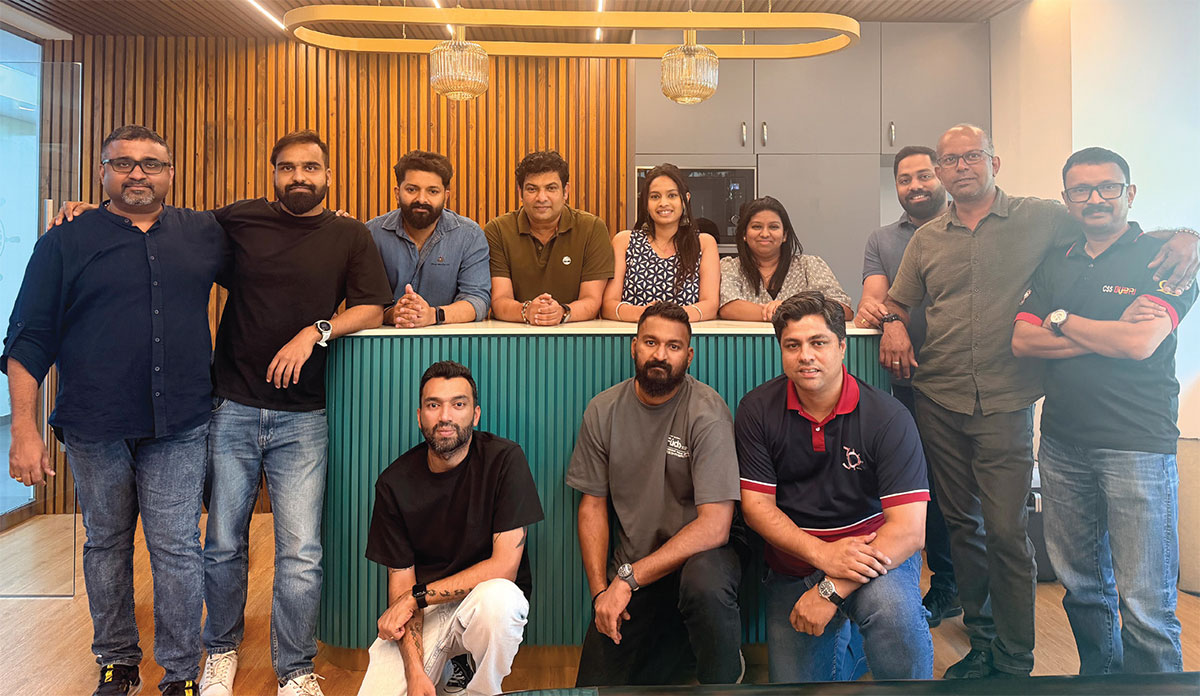
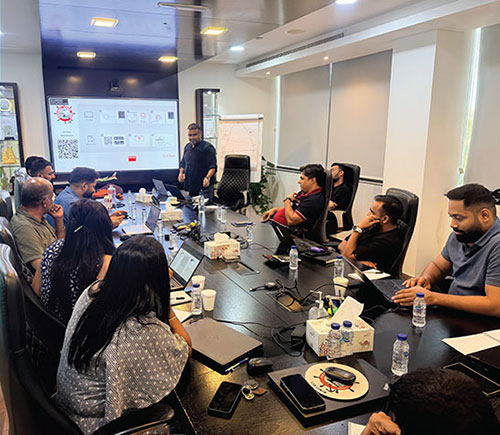
 In today’s fast-evolving logistics landscape, effective leadership is the cornerstone of sustainable success. Recognizing this, CSS organized a Management Development Program on Saturday, 11th October, at the corporate office. It was an initiative dedicated to nurturing the next generation of leaders within the organization.
The program was designed specifically for managers in the freight forwarding sector, focusing on strengthening leadership, strategic, and operational competencies. The day-long session brought together managers from various departments, uniting them under a single objective — to enhance their ability to lead with clarity, agility, and confidence in a rapidly changing business environment.
Led by experienced facilitators, the program offered a dynamic blend of theoretical frameworks, practical applications, and interactive discussions. Participants explored diverse dimensions of management — from decision-making and communication to innovation and people management — all contextualized within the realities of freight forwarding operations.
Developing Strategic, Operational, and People Leadership
The MDP was structured to address the multifaceted nature of a manager’s role in the freight forwarding sector. Sessions were built around key objectives: to cultivate strategic thinking, sharpen operational efficiency, and strengthen interpersonal leadership. The program addressed the unique challenges and operational complexities faced by freight forwarding companies, including logistics coordination, supply chain management, customs regulations, and customer service excellence.
Participants explored topics that directly impact day-to-day logistics operations, including process optimization, resource management, and performance improvement. The facilitators emphasized that a manager’s role extends beyond overseeing daily activities — it involves creating a vision, motivating teams, and driving organizational growth through informed, strategic decisions.
One of the highlights of the session was a segment on strategic decision-making, where managers worked through real-world case studies drawn from the logistics industry. These exercises challenged them to analyze complex business scenarios, weigh risks, and devise effective solutions. The approach highlighted the importance of foresight, adaptability, and data-driven decision-making in a sector where global market dynamics can shift rapidly.
One of the objectives of the training was to improve operational efficiency through effective resource management and process optimization. Participants learned practical methods to streamline workflows and reduce delays in day-to-day logistics processes. These strategies aimed to maximize productivity and ensure smoother, more cost-effective freight forwarding operations across all functions.
The modules on communication and negotiation addressed the importance of interpersonal effectiveness in a relationship-driven sector like freight forwarding. They examined real-world negotiation situations, learning how to manage client expectations, coordinate with customs authorities, and maintain collaborative partnerships with vendors. These activities reinforced the idea that effective communication is integral to building trust and achieving operational success.
Managers were encouraged to foster innovation and adaptability in response to changing market dynamics and technology advancements, recognizing that continuous improvement is essential to maintaining competitive advantage. The program emphasized the need for leaders to remain open to experimentation, challenge existing systems, and champion creative problem-solving within their teams.
A portion of the program was devoted to international trade regulations and compliance, an area central to freight forwarding operations. Managers gained a deeper understanding of global trade documentation, customs procedures, and risk mitigation practices. The sessions stressed the need to maintain accuracy and transparency in documentation and adhere to evolving regulatory standards. This knowledge equipped participants to manage cross-border operations with confidence and ensure that CSS’s processes remain aligned with international best practices.
Equally important were the discussions on team leadership and people management. Managers reflected on their leadership styles, explored methods for motivating diverse teams, and learned strategies to foster collaboration and accountability. The program highlighted conflict resolution and feedback skills as key traits of effective leaders in high-pressure logistics environments. Facilitators highlighted the value of feedback and recognition as tools to build trust and strengthen engagement within teams.
Sessions on problem-solving and conflict resolution further developed participants’ ability to handle challenges effectively in high-pressure logistics environments. Managers practiced identifying root causes of issues, developing structured solutions, and making timely decisions under operational constraints. They also learned to manage disagreements constructively, ensuring that conflicts are resolved without affecting team morale or customer service.
The MDP not only equipped managers with new tools and techniques but also cultivated a mindset of innovation, adaptability, and continuous improvement — enabling them to lead confidently in an ever-evolving logistics landscape.
Cultivating a Culture of Continuous Learning and Leadership
The Management Development Program (MDP) at CSS went beyond enhancing managerial skills, serving a broader purpose — fostering a culture of continuous learning and leadership excellence. It brought managers together in an engaging, collaborative environment that encouraged open dialogue, idea exchange, and collective problem-solving. Participants addressed shared challenges such as optimizing freight operations, improving customer service, and streamlining internal processes, identifying practical solutions to strengthen overall organizational performance.
Through interactive sessions, group discussions, and real-life business simulations, managers applied theoretical knowledge to realistic logistics scenarios. These activities developed critical thinking, decision-making, and teamwork skills — all essential for effective leadership in a rapidly evolving logistics industry. As global freight forwarding becomes increasingly complex due to digitalization and changing trade dynamics, the program emphasized adaptability, innovation, and technological fluency. Managers explored how data analytics, digital tools, and process automation could enhance operational efficiency, improve communication, and elevate customer satisfaction.
The initiative also reinforced CSS’s philosophy of developing leaders from within, highlighting that the company’s strength lies not only in its systems and infrastructure but in the capability, creativity, and commitment of its people. Through the MDP, CSS reaffirmed its commitment to investing in continuous learning and leadership development, ensuring its managers are equipped to face current challenges and seize future opportunities. By building a robust leadership pipeline, CSS continues to strengthen its position as a global leader in freight forwarding and logistics. The program not only enhanced managerial competencies but also reinforced the organization’s culture of excellence, collaboration, and continuous improvement — shaping the leaders who will drive CSS’s growth and success in the years ahead.