Skip to content

Lighthouse

Bi-monthly publication of CSS Group

Lighthouse
  • Call +971 4 883 1303
  • Mail info@cssdubai.com
  • Menu
    • Home
    • About
    • Services
      • Global Freight forwarding
      • Ocean Freight Management
      • Supply Chain Management
      • Land Transportation Management
      • Industrial Packing, Crating & Lashing
      • Air Freight Management
      • Projects Oil & Energy
      • Exhibition Event Logistics
      • Automobile Logistics
      • Art Logistics
      • Non Vessel Operating Common Carrier (NVOCC)
      • Hospitality & Hotel Logistics
      • Multi-modal Operations
      • Container Freight Station (CFS)
      • Yacht & Marine Logistics
      • E-commerce Fulfillment
    • Locations
      • Dubai
      • Abu Dhabi
      • Sharjah
      • Ras Al Khaimah
      • Bahrain
      • Oman
      • Qatar
      • Saudi Arabia
      • India
      • Sri Lanka
    • Careers
    • Track & Trace
    • Login
      • Customer / Agent
      • Employee – Portal
      • Employee – Dashboard
      • CSS India Login
    • More+
      • Lighthouse
      • Sailing Schedule
      • News Hub
      • Feedback
    • Contact Us
  • Login
    • Customer / Agent
    • Employee – Portal
    • Employee – Dashboard
    • CSS India Login
  • TRACK & TRACE
  • LIGHTHOUSE
Lighthouse
  • Call +971 4 883 1303
  • Mail info@cssdubai.com
  • Menu
    • Home
    • About
    • Services
      • Global Freight forwarding
      • Ocean Freight Management
      • Supply Chain Management
      • Land Transportation Management
      • Industrial Packing, Crating & Lashing
      • Air Freight Management
      • Projects Oil & Energy
      • Exhibition Event Logistics
      • Automobile Logistics
      • Art Logistics
      • Non Vessel Operating Common Carrier (NVOCC)
      • Hospitality & Hotel Logistics
      • Multi-modal Operations
      • Container Freight Station (CFS)
      • Yacht & Marine Logistics
      • E-commerce Fulfillment
    • Locations
      • Dubai
      • Abu Dhabi
      • Sharjah
      • Ras Al Khaimah
      • Bahrain
      • Oman
      • Qatar
      • Saudi Arabia
      • India
      • Sri Lanka
    • Careers
    • Track & Trace
    • Login
      • Customer / Agent
      • Employee – Portal
      • Employee – Dashboard
      • CSS India Login
    • More+
      • Lighthouse
      • Sailing Schedule
      • News Hub
      • Feedback
    • Contact Us
  • Login
    • Customer / Agent
    • Employee – Portal
    • Employee – Dashboard
    • CSS India Login
  • TRACK & TRACE
  • LIGHTHOUSE

CSS India Charts A New Course By Building Bridges Across Borders

Logistics plays a key role in the fast-evolving world of global trade. CSS India has carved out a unique identity—not just as a service provider, but as a partner that empowers businesses to navigate the challenges of modern logistics.

From Bangalore, Chennai, Cochin, Coimbatore, Tirupur and Tuticorin in the South to Delhi, Kolkata, Ludhiana and Mumbai in the North, CSS has a strong presence across India’s major industrial hubs. Offering more than logistics solutions; CSS India is synonymous with trust, adaptability, and a commitment to supporting businesses as they connect with markets across the globe.

CSS India’s Services Enable Global Connectivity

Logistics creates value at every step of the supply chain and CSS India brings this philosophy to life through its diverse suite of services:

• LCL and FCL Consolidation: Facilitating seamless cargo movement for businesses of all sizes.
• Sea-Air and Sea-Land Transportation: Offering cost-effective multimodal transport options.
• Sea and Air Freight Management: Ensuring timely and secure delivery of shipments.
• Customs Clearance and Buyers Consolidation: Simplifying complex regulatory processes for global trade.
• Projects Handling and Warehousing: Providing tailored solutions for large-scale and specialized operations.
• Supply Chain Management: Streamlining operations for maximum efficiency.

With its India-wide network, CSS acts as a bridge between India and the world, ensuring goods flow seamlessly across borders.

Logistics in the Digital Age

As the logistics landscape becomes increasingly tech-driven, as logistic providers we should leverage digitalization and automation to redefine our approach. From warehouse automation to route optimization software and transportation management systems, these advanced technologies can drive efficiency, reduce costs, and improve accuracy.

The adoption of transportation management systems and data analytics ensures that we can anticipate challenges, respond to changing market conditions, and deliver superior service to our clients. This proactive approach helps in keeping pace with industry trends and staying ahead of the competition.

The Human Element in Logistics

While technology is reshaping logistics, the human element remains indispensable. CSS India recognizes that strong team management is the backbone of its success. In an industry where timely delivery and precision are critical, well-coordinated teams make all the difference.

Tips for Effective Team Management

A good manager is essential to a team’s success. They consistently motivate the team, keep them informed about company milestones and goals, and ensure everyone feels valued while contributing to the company’s bottom line.

1. Communicate Directly: Miscommunication often leads to confusion and stress among employees. Strong communication skills help ensure team-wide clarity on tasks, deadlines, and goals, creating a more organized and efficient workflow.

2. Offer a Clear Vision: Managers must keep their teams focused and aligned with objectives. Setting a clear vision that outlines both short-term and long-term project goals helps maintain momentum and ensures all tasks are on track.

3. Encourage Team Collaboration: Employees who feel connected to their team and company culture are more likely to be engaged and productive. Effective collaboration helps teams complete tasks together, on time, and with minimal conflict.

4. Delegate with Care: Managers should assign tasks based on each employee’s skill, experience, and competency. Trusting team members to complete their assignments on time is critical to building confidence and ensuring accountability.

5. Prioritize Feedback and Recognition: Regular constructive feedback sessions provide clarity for employees on areas they can improve, while also offering managers insights for growth. Listening to employee feedback and acting on it, when possible, builds trust. Recognizing achievements motivates employees and strengthens team morale.

Behind every shipment delivered on time and every supply chain optimized lies a team that embodies collaboration, adaptability, and trust. Effective team management is the foundation of both team and organizational success. Managers who excel at setting goals, delegating tasks, fostering collaboration, and providing consistent feedback are more likely to lead engaged teams that work cohesively towards the company’s objectives.

CSS India stands as a trusted partner in the ever – changing logistics industry, empowering businesses to navigate the complexities of global trade. With a dedicated focus on operational excellence, customer satisfaction, and forward-thinking strategies, CSS India is redefining what it means to succeed in global logistics.

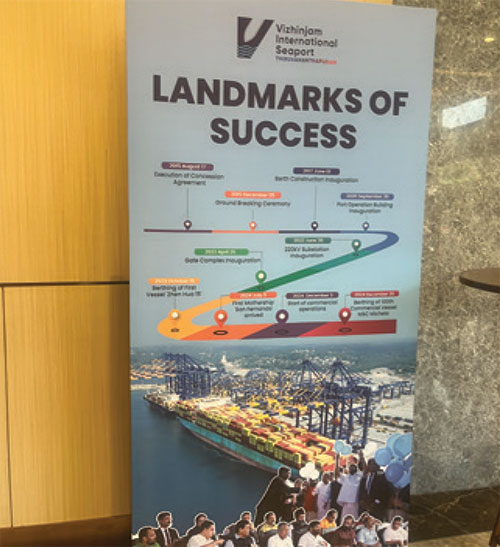
Vizhinjam Conclave 2025 – Pioneering India’s Maritime Future

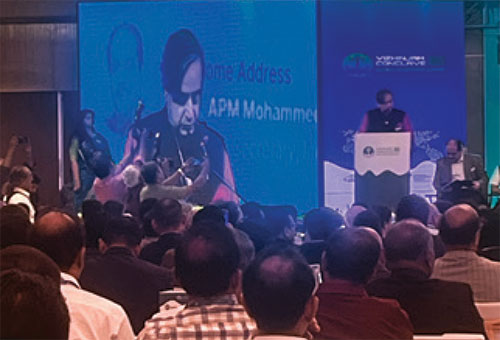
Over 300 delegates and 50 investors participated in the Vizhinjam Conclave 2025 Global Investment Summit, which concluded on January 29th, 2025, at the Hyatt Regency, Trivandrum. The summit brought together top government officials and industry leaders to outline a transformative vision for India’s maritime sector and regional development.

Invited as a distinguished guest, Anitha Jaikrishnan, our General Manager – Special Projects, attended the summit. Reflecting on the event, Anitha Jaikrishnan remarked, “VISL (Vizhinjam International Seaport Limited) is set to take the lead in driving allied projects and pushing forward port-led development across the State. With this, they’re laying the groundwork for considerable opportunities in business and logistics, all while creating plenty of jobs. ”

Anitha further highlighted, “This will help pave the way for a more developed and prosperous State. The vision for the Vizhinjam International Seaport and its surrounding activities is clear. It’s going to be a major player in the nation’s growth. As the Gateway of South India, Vizhinjam is positioned to become the driving force for regional and national development, connecting global markets, boosting trade, and fueling economic growth.”

An Era of Transformative Growth

The summit was a convergence of visionary ideas and practical strategies that set the stage for a new era in India’s maritime infrastructure. Finance Minister K.N. Balagopal inaugurated the event by highlighting Vizhinjam’s potential to emerge as India’s largest port within the next decade. He underscored the port’s natural deep-water capabilities—with depths ranging from 18 to 25 meters—and its strategic location along key international shipping lanes. His address focused on how these features position Vizhinjam to handle the world’s largest vessels, attracting major global shipping lines.

Industries Minister P Rajeeve built on this vision by urging industrialists to seize emerging opportunities. He reiterated the Kerala government’s commitment to accelerating industrial growth and emphasized that the State’s competitive advantages — particularly its highly skilled workforce and robust infrastructure — are instrumental in realizing this ambitious roadmap. His remarks resonated with many in the audience, who saw these initiatives as crucial to spurring economic development across multiple sectors.

Minister for Ports and Cooperation V N Vasavan then outlined a series of ambitious expansion plans, including introducing passenger cargo facilities to diversify the port’s operations. He provided detailed insights into significant infrastructure projects that are already in the pipeline, such as a rail tunnel from Balaramapuram to Vizhinjam Port, scheduled for completion in four years, and an enhanced road connection to National Highway 66, which is expected to be finalized in two years. These projects, he explained, will not only improve operational efficiency but also significantly reduce transit times, thereby boosting the overall competitiveness of the port.

In addition, Education Minister V Sivankutty offered reassurances regarding labor stability in the region. He stressed that the development of Vizhinjam would create substantial employment opportunities, ultimately drawing in global investments and enhancing the socio-economic fabric of the area. His comments highlighted the broader impact of the port-led development strategy on local communities, ensuring that the benefits of growth would be shared across various sectors.
Beyond the individual addresses, the summit provided a rich networking and knowledge exchange platform. Panels and round-table discussions allowed industry experts, policymakers, and investors to deliberate on best practices in port management, sustainable development, and technology integration. Participants discussed how innovative logistics solutions, digital transformation, and environmental sustainability could further enhance the port’s operational efficiency and economic impact.

Charting the Path Forward

The discussions at the conclave painted a comprehensive picture of Vizhinjam’s transformative potential. Currently, the port handles one million twenty-foot equivalent units (TEUs), but plans are in place to expand its capacity to an impressive 6.2 million TEUs. This significant increase is expected to capture an anticipated 15% share of India’s container transshipment market, positioning Vizhinjam as a serious challenger to established hubs like Colombo and Dubai.

Moreover, the strategic developments at Vizhinjam are critical to Kerala’s broader economic ambitions. The State’s vision of evolving into a $1 trillion economy hinges on robust infrastructure, seamless connectivity, and a vibrant industrial ecosystem. In addition to the port itself, Kerala is well-equipped with four international airports, two major seaports, 17 minor ports, and an extensive inland navigation system—all of which will synergize to support sustained economic growth.

The Vizhinjam Conclave 2025 highlighted current achievements and charted a forward – looking roadmap for integrating global trade dynamics with regional development. The event underscored how visionary leadership, backed by strategic investments and modern infrastructure, can transform a single port into a powerful economic engine. The message was clear as stakeholders from diverse sectors converged to share insights. With concerted effort and collaboration, Vizhinjam is poised to become the gateway for global trade and a cornerstone for regional and national development.


The conclave served as a milestone event that reaffirmed the critical role of the Vizhinjam International Seaport in shaping India’s economic future. With its enhanced capacity, strategic investments, and clear vision for growth, Vizhinjam stands ready to drive a new era of industrial and logistical advancement — not just for Kerala but for the entire nation.

Innovations And Challenges In Automobile Logistics

Driven by technological advancements, evolving consumer demands, and shifting supply chains, the automotive industry is transforming worldwide. Logistics form the backbone of this evolution, ensuring seamless coordination between raw material suppliers, component manufacturers, and automakers. Each vehicle comprises thousands of globally sourced parts, making efficiency and resilience critical.

In the GCC, the sector is accelerating rapidly. Economic diversification, government initiatives, and rising local manufacturing are reshaping the landscape. The region’s strategic location, world-class ports, and vast road networks position it as a global logistics hub. However, quality control, trade regulations, and environmental concerns add complexity. To stay competitive, companies are diversifying suppliers, regionalizing production, and embracing digital transformation. With Saudi Vision 2030 and the UAE’s industrial drive, the GCC is poised for a new era of innovation and growth.

The Changing Dynamics of Automotive Logistics

In the GCC, governments are accelerating EV adoption, aiming for a sixfold increase in private and public EV usage by 2030. The regional EV market is set to reach $10.42 billion by 2029. Saudi Arabia plans to produce 500,000 EVs annually, while Dubai’s new EV hub will serve African markets. As the GCC scales up EV manufacturing and exports, it is cementing its position as a global automotive powerhouse. The global auto industry is shifting with the rise of electric vehicles (EVs), supply chain realignments, and digital innovation. A major challenge is handling lithium-ion batteries, requiring strict safety protocols for transport, storage, and recycling. To mitigate risks, automakers are diversifying suppliers and forging strategic partnerships.

Nearshoring is reshaping production, bringing manufacturing closer to key markets to cut costs and boost supply chain resilience. AI and automation are streamlining logistics, reducing expenses, and improving efficiency.

In the GCC, governments are accelerating EV adoption, aiming for a sixfold increase in private and public EV usage by 2030. The regional EV market is set to reach $10.42 billion by 2029. Saudi Arabia plans to produce 500,000 EVs annually, while Dubai’s new EV hub will serve African markets. As the GCC scales up EV manufacturing and exports, it is cementing its position as a global automotive powerhouse.

Innovations Shaping the Industry

AI-driven demand forecasting reduces errors by up to 50%, optimizing inventory and cutting costs for automotive dealers in cities like Dubai. AI-powered route optimization lowers fuel use and delivery times, improving sustainability. IoT-enabled tracking enhances real-time vehicle monitoring, warehouse management, and shipment security. Logistics providers across the GCC, including Jebel Ali and King Abdullah Port, are leveraging these innovations to boost efficiency.

Despite regulatory and public acceptance challenges, AI, IoT, and AVs are key to building a resilient and sustainable automotive logistics industry. As technology evolves, its role in enhancing supply chain security and sustainability will only expand.

Challenges & Solutions

The industry faces ongoing disruptions from port congestion, raw material shortages, and transport delays, raising costs and slowing production. Geopolitical tensions and trade restrictions add complexity, making risk management and flexibility essential.

EV battery transport poses fire hazards and requires strict safety measures, including UN-certified packaging, real-time temperature monitoring, and fire suppression systems. The GCC’s extreme climate also demands climate-controlled storage for sensitive components.

Sustainability is now a priority. Companies are adopting alternative fuels, optimizing routes, and using eco-friendly warehouses to cut emissions. Initiatives like Saudi Arabia’s NEOM project and the UAE’s Green Mobility efforts drive regional progress. Digital transformation, particularly AI and IoT, is crucial for boosting efficiency and reducing waste.

The Role of 3PLs in Automotive Logistics

Third-party logistics (3PL) providers are essential for optimizing supply chains. By outsourcing warehousing, transportation, and fulfillment, automotive companies can focus on core functions like product development and customer service. 3PLs also offer scalability during peak demand, such as Ramadan sales.

Beyond logistics, 3PLs provide value-added services like kitting, sub-assembly, and reverse logistics, enhancing efficiency and minimizing waste. Successful partnerships, such as Volkswagen and DHL’s AI-driven routing system, show how 3PL integration lowers costs, improves delivery speed, and strengthens supply chain resilience.

What are the Future Trends in Automotive Logistics?

The GCC’s automotive logistics sector is evolving rapidly, driven by technology, regulations, and sustainability. AI and automation are reshaping operations, enhancing demand forecasting, route planning, and inventory management. Smart cities in Saudi Arabia and the UAE are using real-time data analytics to optimize transport networks, reduce congestion, and improve efficiency.

Sustainability is at the forefront. Green logistics —alternative fuels, energy-efficient warehouses, and carbon-neutral transport—is now an industry priority. Growing EV production in Saudi Arabia and battery recycling in the UAE are pushing the region toward a self-sufficient automotive ecosystem.

To strengthen resilience, the GCC is localizing supply chains, reducing reliance on global markets. By embracing digital transformation and sustainability, the region is positioning itself as a leader in the future of automotive logistics.

The automotive logistics industry is transforming, driven by digital innovation, sustainability, and evolving supply chain needs. AI, IoT, blockchain, and automation are making operations smarter and more efficient, while green logistics and localized supply chains reduce environmental impact and strengthen resilience. The rise of EVs and smart cities is reshaping how goods move, requiring new strategies and infrastructure.

However, challenges persist. Supply chain disruptions, regulatory complexities, and sustainability goals require collaboration. Automakers, logistics providers, and policymakers must work together to drive innovation, improve infrastructure, and implement sustainable solutions. By embracing change and cooperation, the industry can build a more agile, efficient, and future-ready logistics ecosystem.

Middle East M&A Defy Global Decline with Strategic Growth

While global mergers and acquisitions (M&A) activity faces a downturn, the Middle East continues to buck the trend, driven by resilient investments and a strong focus on economic diversification. A recent report by BCG highlights the region’s robust performance, with deal volumes rising 7% in the first nine months of 2024, even as global activity shrank by 13%.

The Middle East is evolving its traditional energy dominance to include renewables. A $2.7 billion renewable energy deal exemplifies this shift, as national oil companies diversify by monetizing downstream assets and expanding their renewable portfolios. Through the targeting of sectors like technology, logistics, and renewable energy, regional firms are aligning with economic diversification goals and setting the stage for long-term transformation.

The Middle East’s M&A landscape is shaped by a strategic focus on outbound investment, diversification, and resilience amid global headwinds. Sovereign wealth funds and strong capital reserves have enabled investors to pursue high-impact acquisitions in sectors like AI, telecommunications, and logistics, moving beyond traditional oil and gas dependencies.

Geopolitical complexities and heightened regulatory scrutiny demand a more measured approach to M&A. Middle Eastern firms are carefully selecting opportunities that balance growth objectives with risk mitigation. Advances in AI-powered tools are playing a pivotal role, in streamlining processes such as target identification, due diligence, and integration. AI-driven solutions enhance productivity and accuracy, allowing faster decision-making in an increasingly complex environment. The report highlighted that virtual data rooms equipped with AI-enabled contract redaction and data extraction capabilities are revolutionizing documentation workflows, particularly during complex negotiations.

The Middle East’s M&A sector is on track for steady growth, bolstered by strategic investments and diversification efforts tailored to shifting global dynamics. As regulatory frameworks evolve and deal timelines lengthen, adaptability will be key for regional dealmakers. From building strong deal pipelines to effectively navigating challenges, the most agile firms will lead the way.

The report concluded that in a rapidly evolving landscape, successful dealmakers will distinguish themselves through innovation, strategic agility, and a dedicated approach to leveraging new technologies.

Middle Eastern investors are pursuing opportunities in critical sectors such as logistics, energy, and advanced technology, underscoring their commitment to a diversified, future-ready economy. Despite global uncertainties, regional companies in energy, financial services, and technology are forging ahead with strategic deals poised to reshape industries. Simultaneously, an increase in transactions within consumer sectors reflects a growing appetite for transformative initiatives. Key areas such as healthcare, technology, and renewable energy are anticipated to sustain momentum in the coming months.

The logistics sector continues to thrive, highlighted by a $1 billion acquisition by a UAE-based energy company to strengthen supply chain infrastructure. The industrial sector also attracted a $3.2 billion bid in engineering, showcasing sustained interest in expanding capabilities. Technology has become central to M&A strategies in the region, with notable deals including a $2.6 billion acquisition in satellite communications and a $250 million investment in African telecommunications. A $350 million investment in AI-driven energy solutions further underscores the region’s focus on digital transformation and innovation.

Saudi Arabia to Launch Third National Airline and Six New Logistics Zones

Saudi Arabia is set to unveil its third national airline in 2025, marking a significant expansion of its aviation and logistics sectors. According to the Finance Ministry’s budget statement for fiscal year 2025, the new airline will be headquartered in Dammam, located in the Kingdom’s Eastern Province. This move comes as part of Saudi Arabia’s ambitious Vision 2030 strategy, aimed at diversifying its economy and establishing itself as a global transport and logistics hub.

The announcement follows progress on the second national airline, Riyadh Air, which is on track to commence operations in 2025. Riyadh Air, based in the capital, will serve as a key player in Saudi Arabia’s aviation landscape, complementing the new Dammam – based carrier and the existing national airline, Saudia.

The establishment of a third airline underscores Saudi Arabia’s commitment to enhancing air travel connectivity both within the Kingdom and internationally. By basing the new airline in Dammam, the government aims to strengthen links to the Eastern Province, a region with significant economic and industrial activity.

With Riyadh Air already set to begin operations, the addition of a third airline reflects the Kingdom’s broader efforts to meet growing passenger demand, boost tourism, and provide efficient transportation options for business travelers. This development positions Saudi Arabia as a rising force in the global aviation industry, with the capacity to compete with major regional hubs.

Alongside developments in the aviation sector, Saudi Arabia plans to launch six new logistics zones connected to its ports. These zones will play a pivotal role in improving the efficiency of supply chain operations, enhancing trade capabilities, and attracting global logistics companies. The logistics zones will capitalize on Saudi Arabia’s strategic geographic location, linking Asia, Europe, and Africa. This initiative aligns with the Kingdom’s ambitions to become a leading player in the global logistics industry, leveraging advanced infrastructure to facilitate trade and transport.

Additionally, the government is expanding public transport networks across several governorates. New bus transport projects aim to improve urban mobility, reduce traffic congestion, and support environmental sustainability by encouraging the use of public transportation.
These initiatives are part of Saudi Arabia’s Vision 2030, which seeks to diversify the economy away from oil dependence by fostering growth in sectors such as tourism, logistics, and transportation. The establishment of a third airline, the expansion of Riyadh Air, and the development of logistics zones are central to this transformation.

Saudi Arabia is also aiming to attract international investment and position itself as a global travel and logistics hub. With advanced transport infrastructure, strategic geographic advantages, and a commitment to sustainability, the Kingdom is laying the foundation for long-term economic growth and global competitiveness.

By 2025, Saudi Arabia’s transport and logistics sectors will likely experience a significant leap forward, creating new opportunities for businesses and travelers alike. These projects demonstrate the Kingdom’s proactive approach to building a future-ready economy, setting a precedent for development in the region.

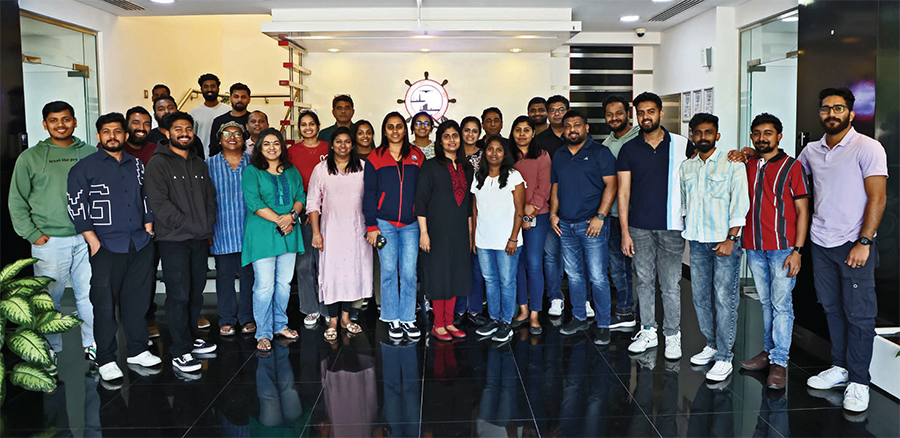
CSS Hosts Workshop On Key Trends And Challenges In Ocean Freight

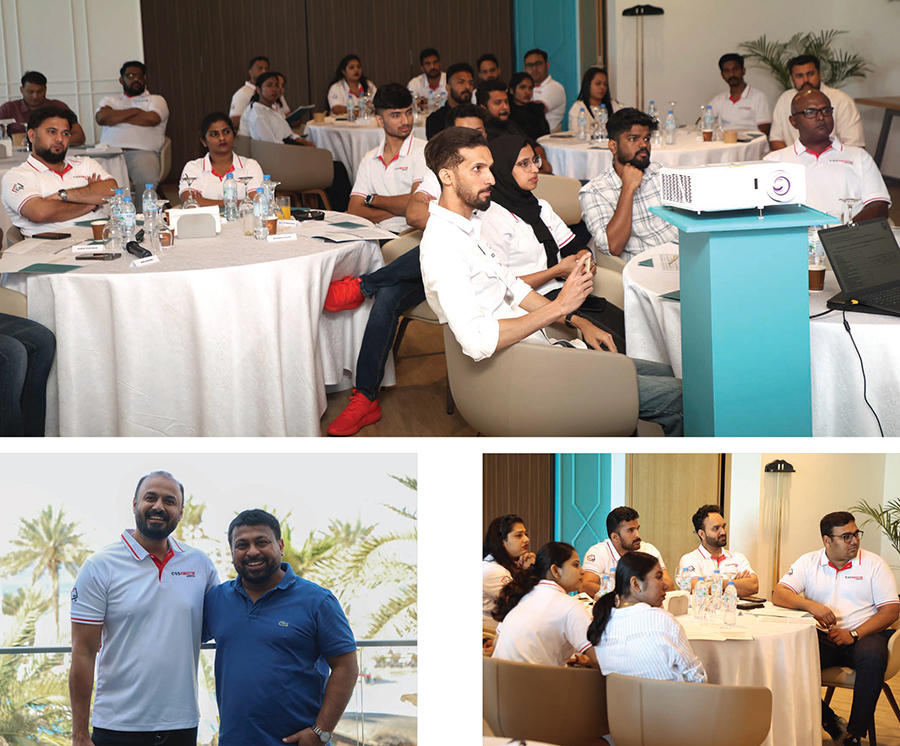
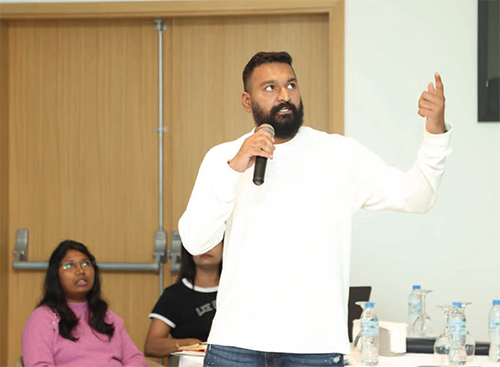
With nearly 90% of global trade reliant on ocean freight, staying informed is crucial for industry professionals. CSS recently hosted an Ocean Freight workshop to explore key trends and challenges in global shipping. Designed to foster collaboration and knowledge-sharing, the event provided insights into innovative solutions shaping the industry’s future. The workshop focused on enhancing efficiency, sustainability, and resilience in maritime logistics. Held on February 15, 2025, the workshop brought together professionals from various departments to discuss industry developments and best practices.
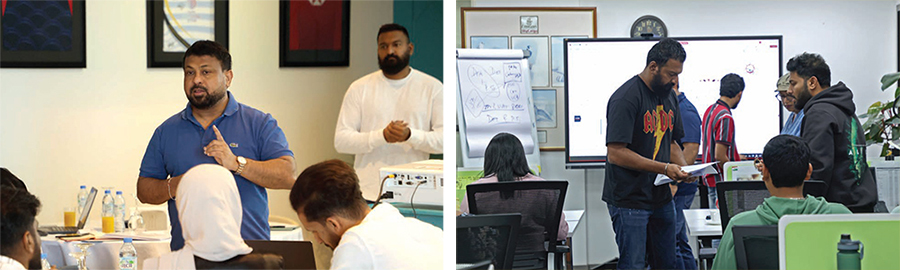
Over the past three decades, CSS Group has evolved from a consolidator to a comprehensive freight management provider. Today, it offers a diverse range of services, including FCL, LCL, Break Bulk, RORO, and Project cargo. With an expanding presence across the Gulf, Indian subcontinent, Levant, and East Africa, CSS remains committed to strengthening its market position and driving industry excellence.
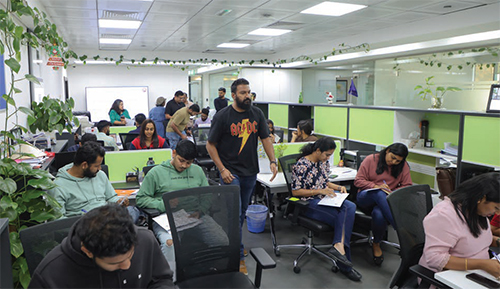
A Comprehensive Training on Freight Forwarding
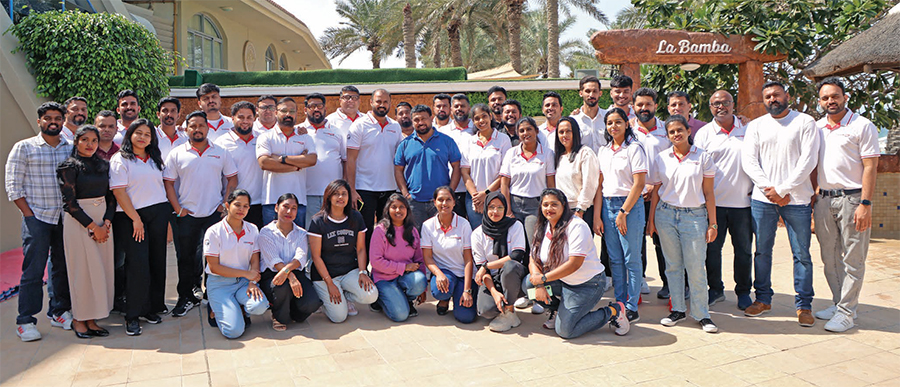
Recognizing the need for continuous learning, CSS initiated workshops to enhance the expertise of its team. The training covered global trade lanes, vessel types, container equipment, and major shipping routes, particularly those connecting the UAE and Gulf regions.

Sessions also delved into sales-pricing communication, hazardous goods handling, reefer shipments, and OOG/ODC logistics. Participants gained valuable insights into shipping documentation, demurrage, detention, port storage, and INCO Terms. Additionally, best practices for grievance handling were explored, equipping attendees with strategies to navigate logistical challenges effectively.

To keep sessions engaging quizzes, mock drills, and case studies were conducted. This interactive session combined fun with practical application. Participants left with a clearer understanding of industry processes which will help them improve their daily operations and overall efficiency.
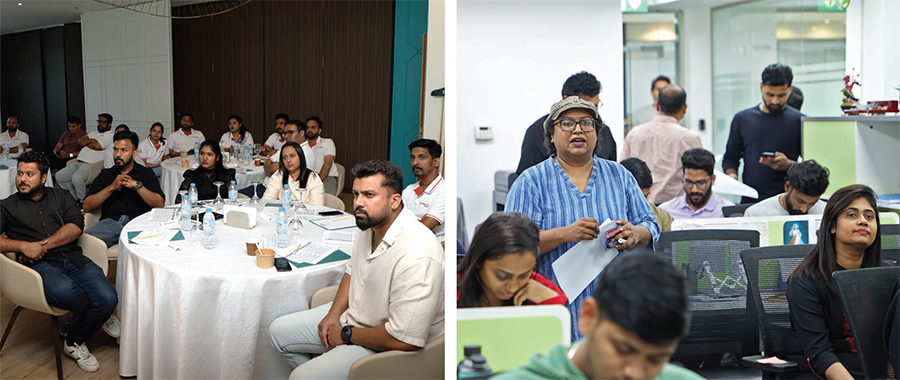
Future Focus Areas

Building on this foundation, upcoming workshops will explore emerging trends and advanced topics in shipping and logistics. Future sessions will explore digitalization and technology in ocean freight, highlighting innovations that are reshaping the industry. Liability insurance will be introduced to provide a deeper understanding of risk management and coverage.

The February 2025 workshop was a resounding success, offering valuable insights and hands-on learning experiences. CSS remains dedicated to empowering its teams and fostering industry innovation.

Successful Weekend Survey Ensures Seamless Monday Operations

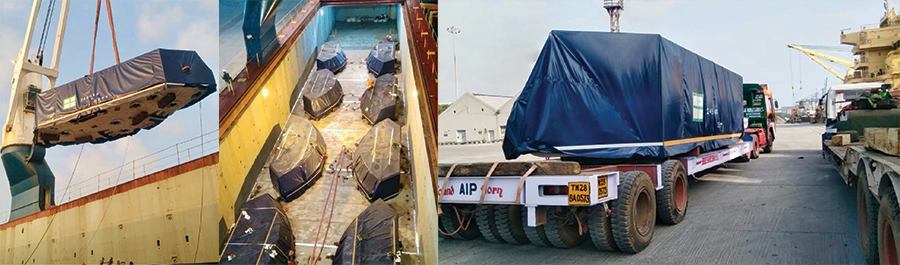
CSS Global Forwarding, the India branch of the CSS Group, continues to set industry benchmarks with its commitment to excellence in logistics and project cargo handling. Over the weekend, an urgent survey was conducted of the cargo on vessel MV Eemslift Dafne to ensure the safe delivery of 10 critical packages, including one weighing a staggering 169 tons. The operation was crucial for securing a smooth Monday unloading process.
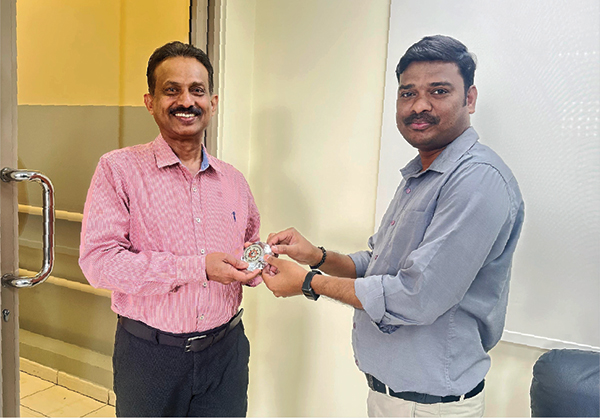
Himanshu Shah, Group General Manager—Projects & Networks, overseeing the entire operation, was instrumental in ensuring everything ran smoothly. He emphasized, “We take great pride in closely monitoring each of our projects to ensure we consistently deliver excellence at every step,” reinforcing CSS Global Forwarding’s unwavering dedication to precision and safety.

Safety Always Comes First
Safety remained the highest priority from start to finish. The team worked tirelessly, double-checking every detail to minimize risks. CSS Global Forwarding maintains strict safety standards; this operation was no exception. Vessel Agents and Dship Carriers at the discharge port provided valuable support, ensuring everything proceeded smoothly. Dship Carriers specialize in cost-effective tramp services for heavy lift and project cargo, making them a reliable partner. “Their expertise and commitment were key to the operation’s success. Dship Carriers help us ensure that risk is minimized and that exceptional solutions are consistently delivered,” added Mr. Himanshu.

Commitment to Excellence in Logistics
Surveys like these are essential for the secure and timely transportation of large cargo. CSS Global Forwarding takes pride in carefully monitoring each step. Every detail is scrutinized to mitigate risks and ensure seamless transfers. Attention to detail and proactive risk assessment remain core principles in high-stakes logistics operations.

CSS Global Forwarding prioritizes precision, safety, and customer satisfaction as a leader in heavy lift and project cargo transportation. The company consistently delivers cost-effective and reliable solutions. This weekend’s survey was more than a routine task. It was a crucial step in maintaining smooth logistics operations. Careful planning and execution led to increased efficiency, reduced costs, and ensured the safety of both cargo and personnel. Every precaution was taken to prevent delays and complications.

With the successful survey, Monday’s unloading process proceeded without complications. The expertise and commitment demonstrated over the weekend reflected CSS Global Forwarding’s unwavering dedication to operational excellence. It remains dedicated to tackling new challenges with the same level of professionalism and precision. Every successful operation strengthens its position as a global leader in logistics.
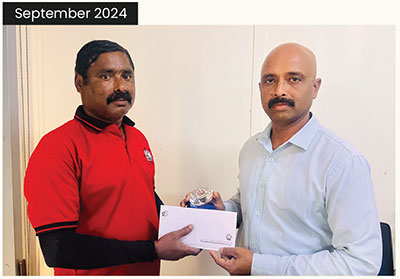
Employees Of The Month

NOVEMBER 2024

Shivakumar Srigadde
Air Import Operations, Airfreight Department – Homeward Bound, Al Quoz

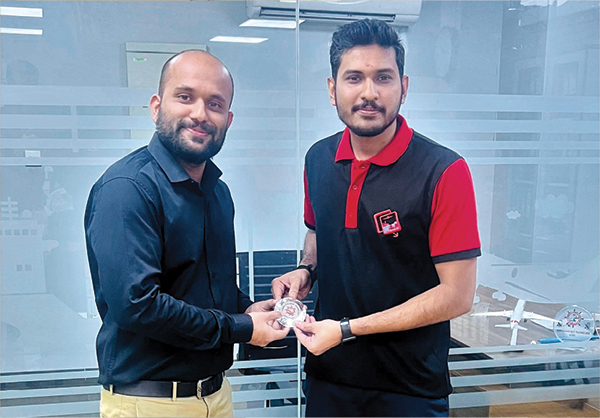
Mr. Shivakumar has put all his effort and dedication to maintain the duties allocated to him as an import operation and has shown great initiative by taking additional responsibilities. He has handled the tasks without any challenges and has also maintained the level of quality on every assignment allocated to him.

Awarded By
Baiju Sadanandan , Manager – Air Freight


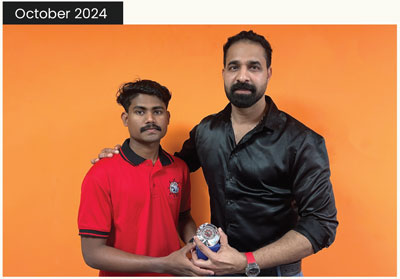
NOVEMBER 2024

Gokul Krishna
Tally Clerk, Warehouse Operations – CKL Saif Zone

Gokul has been consistently exceptional last month and was successful in handling the movement of around 4000 CBM cargo for a single client with very minimal errors.

Awarded By
Ranoop Kallampunathil , Warehouse In-charge, CKL Saif Zone


DECEMBER 2024

Manohar Thangavel
Forklift Operator, CFS – CSLC

Mr. Manohar is a sincere and dedicated worker who assists his supervisor while in pressure situations. He is a team worker who helps other staff by guiding them through an able hand.

Awarded By
Puthuvalil Indran Jayandan, Manager – CFS Warehouse

Chairman’s Message

T S KALADHARAN

As we step into 2025, I reflect on the incredible journey of progress, innovation, and resilience that has defined CSS Group over the past three decades. This year holds special significance as we celebrate our 30th anniversary. Together, we have shaped an organization that not only excels in logistics but also leads with purpose, integrity, and vision.

AI and Smart Cities
The UAE continues to set the gold standard in innovation with its smart city initiatives, ranking prominently on the IMD Smart City Index. From intelligent traffic systems to eco – friendly developments like Masdar City, the integration of AI is shaping a more sustainable, efficient, and interconnected future. These advancements inspire us at CSS Group to embrace similar forward – thinking approaches in our operations, ensuring that we remain at the forefront of innovation.

The Future of Mobility
The UAE’s autonomous transport strategy is another remarkable step forward, with goals to make 25% of all transportation driverless by 2030. This ambitious vision is not just about mobility – it’s about redefining logistics, enhancing sustainability, and improving urban life. Driver – less cars, aerial taxis, and advanced automation are setting the stage for a mobility revolution that will reduce carbon emissions, optimize transport networks, and create safer cities.

AI in Logistics – A Game-Changer for the Industry
Artificial Intelligence has emerged as a transformative force in logistics. From predictive analytics to automated warehousing, AI enables businesses to operate with greater precision, efficiency, and speed. At CSS Group, we strive to stay abreast of digital innovations to ensure that we remain agile and future – ready in an industry that thrives on adaptation and ingenuity.

Marking 30 Years of Excellence
This year is a celebration of our legacy, a testament to the vision and dedication that has shaped CSS Group since its founding in 1995. From establishing our first major hub in Jebel Ali Freezone to expanding across India, the Middle East, and Africa, every milestone represents our relentless pursuit of innovation and customer – centricity.

Reinforcing Our Values
As we chart our course for the future, CSS Group’s mission and values remain at the heart of everything
we do. We are committed to :
Innovating: Staying ahead of trends to remain the leading integrated logistics provider in our regions.
Providing value: Delivering competitive solutions through technology, fostering sustainable business relationships, and exceeding customer expectations.
Nurturing relationships: Strengthening partnerships with our employees, customers, and stakeholders to create a culture of mutual success.
These guiding principles will continue to inspire our efforts as we expand our global reach, adopt transformative technologies, and build a logistics ecosystem that is as sustainable as it is efficient. Guided by our core values of commitment, integrity, teamwork, innovation, and nurturing relationships, we look ahead with a renewed focus on creating value for our customers and partners.

Looking Ahead
While we honor our past, our focus remains firmly on the future. The year ahead presents immense opportunities as we leverage cutting – edge technologies, expand into emerging markets, and deepen our partnerships. Our vision is clear: to redefine what is possible in logistics, to challenge limits, and to create meaningful impact across industries and communities. As we begin this new chapter, I extend my deepest gratitude to our employees, network partners, and customers who have been instrumental in our journey. Together, we will continue to innovate, adapt, and grow, ensuring that CSS Group remains a beacon of excellence for decades to come. Here’s to a transformative 2025 and beyond

CSS Celebrates 30 Years Of Excellence!

CSS Group will mark a major milestone this year with the completion of three decades of innovation in the logistics industry. From its modest beginnings in Dubai in 1995, CSS has expanded into a global leader in the logistics and freight forwarding industry. This anniversary reflects the company’s continuous commitment to growth, innovation, and customer satisfaction.

Our Key Milestones

From a single office in Dubai, CSS Group has grown into a global logistics powerhouse, driven by a commitment to innovation and customer success. Over the years, the company has marked key milestones such as establishing major hubs in Jebel Ali Freezone and Abu Dhabi, expanding into India, and entering high-potential markets like Qatar, Oman, and Sri Lanka.
In the post-pandemic era, CSS extended its footprint to Saudi Arabia, Bahrain, and Turkey, alongside launching innovative facilities such as hazardous materials storage in Jebel Ali and digital logistics solutions with CSS ELogix. Looking ahead, CSS will further solidify its leadership by unveiling a cutting – edge facility in Hamriyah Free Zone in 2024.

A Legacy Built on Partnership

Over the past three decades, CSS Group has become synonymous with trust, reliability, and innovation. Its footprint now spans more than 15 countries, powered by a team of over 750 dedicated professionals

The company has consistently adapted in an ever – evolving industry, staying ahead of trends, and delivering customized solutions that meet the unique needs of its global clientele.

“Our journey has been one of resilience, collaboration, and an unwavering focus on delivering excellence. This milestone is a testament to our incredible team, our clients, and our partners who have made this success possible”, said Chairman, Mr. T. S. Kaladharan

The Logistics Roundtable 2025

One of the main highlights of the anniversary celebrations will be ‘The Logistics Roundtable 2025’, scheduled between April 26 – 28, 2025, in Dubai. This flagship event will bring together logistics professionals and industry leaders to discuss emerging trends and the future of supply chains. It will offer unique networking opportunities, insights into new technologies, and panel discussions shaping the future of the industry.

What are the Benefits of Attending the Roundtable?

Networking Opportunities:
Connect with global industry leaders and decision makers.
Technology Insights:
Stay ahead of the curve with discussions on emerging logistics technologies.
Panel Discussions:
Dive deep into trends shaping the future of supply chains and logistics.
Exclusive Keynote Session:
Hear from renowned thought leaders and experts.

Join us in Dubai to celebrate this milestone and shape the future of logistics together.

Looking Ahead at the Future

While the 30th anniversary is a time for reflection, it continues to look to the future, focusing on further market expansion, embracing cutting – edge technologies, and advancing sustainability.
Here’s to 30 years of excellence and a promising future!

CSS Projects: Expert delivery of A/C Compressors to Iraq

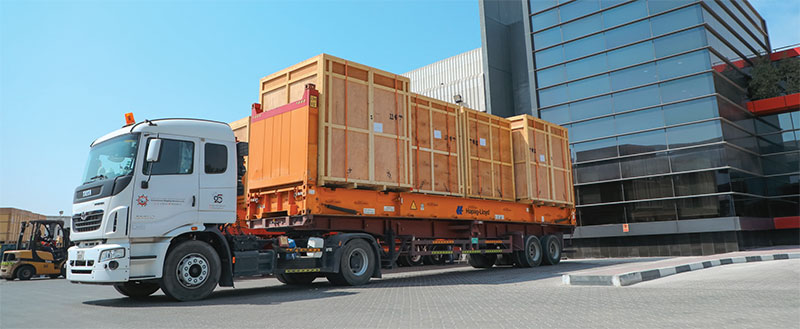
The CSS Industrial Project team and Container Freight Station (CFS) have successfully completed a critical shipment of A/C compressors to Iraq, showcasing their expertise in managing complex logistics for the global energy sector. This milestone shipment highlights CSS’s commitment to delivering efficient, end-to-end project management solutions while adhering to the highest standards of safety and precision.


Delivering Excellence in Challenging Conditions

On October 28, 2024, CSS embarked on a project to transport a substantial shipment of A/C compressor units from Jebel Ali to Iraq. The cargo comprised 6 x 40ft FR Out of Gauge (OOG) containers, 11 x 40ft High Cube containers, 9 x 40ft FR containers, 8 x 40ft HC containers, and 1 x 20ft container. With such a diverse and extensive shipment, meticulous planning was critical to ensure the secure handling of the equipment throughout its journey.
The CSS team assumed full responsibility for the project, covering every logistical aspect, including offloading cargo in the yard, crating, import and export documentation, and loading the units onto specialized flat racks and containers.

Overcoming the Difficulties in Heavy-Lift Operations
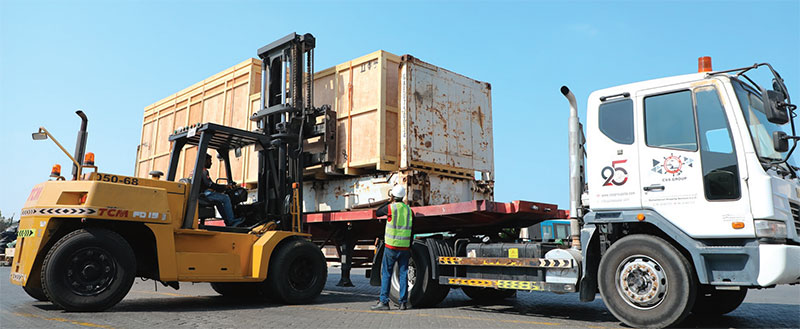
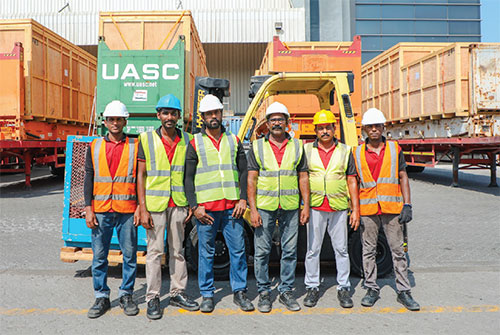
Transporting heavy-lift (HL) units was a key challenge for this project. The oversized and delicate nature of the cargo demanded exceptional care to prevent damage during handling and transit. CSS deployed advanced equipment, including 15-ton and 10-ton forklifts as well as a 50-ton crane, to safely load and secure the units. The team’s expertise in technical planning and execution, combined with rigorous Health, Safety, and Environment (HSE) protocols, ensured that the shipment was completed without any incidents. CSS’s focus on safe handling practices and zero-compromise policies reinforced its reputation as a trusted partner for high-stakes logistics.

Technical Challenges in A/C Compressor Movement

Shipping A/C compressors presents unique technical challenges, given their size, weight, and sensitivity to external factors. A/C compressors are not just heavy but also contain intricate components that are prone to damage if not handled properly.
Key technical challenges include:

Vibration and Impact:
Compressors must be lashed and secured meticulously to prevent movement during transit, as even minor vibrations can cause internal damage.

Temperature Sensitivity:
Compressors can be sensitive to extreme temperatures, requiring careful environmental monitoring during loading and transit.

Custom Handling Equipment:
Special tools and machinery, such as heavy – duty cranes and forklifts, are needed to maneuver these units safely.

Precise Weight Distribution:
Improper weight balance during loading can lead to structural damage to the cargo or the transport vehicle.

By addressing these challenges with precision and expertise, CSS ensured the safe and timely delivery of the A/C compressors to Iraq.

CSS Industrial Projects Team – Driving Innovation and Reliability

The CSS Industrial Projects Team is a trusted name in the logistics industry, particularly in the Middle East. Known for its ability to manage large-scale operations, the team specializes in end-to-end project logistics for the Projects, Oil & Energy sector.

Key competencies of the CSS Industrial Projects Team include:
Comprehensive Project Management: From technical planning for heavy lifts to on-site supervision at origins and destinations, the team ensures smooth operations.
Global Purchase Order Monitoring: CSS provides clients with real-time updates on cargo status, enhancing transparency and reliability.
Optimal Transport Solutions: The team utilizes a mix of liner services, full or part charters, and specialized trucks to reduce costs and improve efficiency.
Safety First: Adhering to stringent HSE protocols, CSS ensures zero incidents during complex shipments.

CSS Container Freight Station (CFS): A Hub for Efficient Operations

The CSS Container Freight Station (CFS) in Jebel Ali is a cornerstone of the company’s logistics operations. With state-of-the-art facilities and dedicated personnel, the CFS ensures that every cargo movement is handled with precision and care.
Key features of the CSS (CFS) include:
Advanced Infrastructure: A fully-racked, insured warehouse with custom-built dock levelers simplifies cargo loading and unloading.
24/7 Security and Monitoring: The facility is fully enclosed, gated, and equipped with CCTV surveillance, ensuring maximum safety.
Expert Operations Team: Managed and operated entirely by CSS staff, the CFS guarantees seamless coordination and quality control.
HSE Compliance: The station adheres to stringent health and safety measures, including fire protection systems, to safeguard goods and personnel.

Exceptional Teamwork and Collaboration Between CSS Divisions

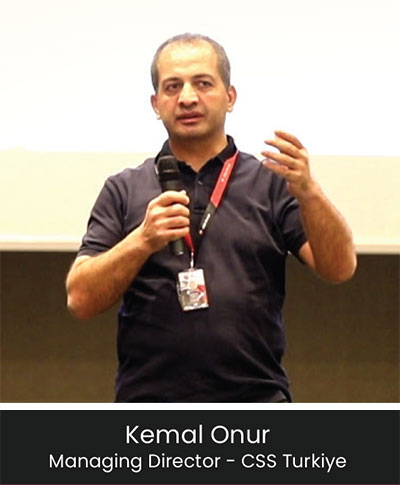
The success of this shipment was a result of seamless collaboration between the CSS Industrial Projects Team and the CSS (CFS) Team. Led by Arun Peethamparan and Suresh Sivadasan, the teams worked tirelessly to overcome challenges and deliver outstanding results. Their dedication to excellence, combined with CSS’s investment in cutting-edge tools and technology, was instrumental in achieving the project’s objectives.

Kudos from the Client

This shipment was critical for one of the leading MEP engineering contractors in the region. Timely delivery of the A/C compressors was essential to their operations, underscoring the importance of CSS’s role in supporting the energy sector. The client expressed their satisfaction with CSS’s meticulous approach, praising the team for their professionalism, efficiency, and adherence to timelines. Such feedback reaffirms CSS’s position as a trusted partner in logistics.

Kudos from the Client Looking Ahead – Scaling New Heights


With this successful operation, CSS is poised to handle similar shipments in the future. The next project, expected in March of 2025, will see the team managing another large-scale shipment, reinforcing their expertise in the Middle East logistics landscape.

As CSS continues to set new benchmarks, its unwavering commitment to innovation, safety, and client satisfaction remains at the heart of its operations. This project is yet another testament to CSS Group’s capabilities in handling oversized and heavy-lift cargo. With a strong focus on safety, precision, and efficiency, CSS continues to set new benchmarks in the logistics and project management industry.

From advanced technical planning to seamless execution, CSS is committed to providing end-to-end solutions that address the unique needs of its clients. Whether it’s managing heavy-lift equipment, navigating technical challenges, or ensuring zero incidents, CSS remains a trusted name in the world of industrial and project logistics.

CSS eLogix Celebrates Ameya’s Win

CSS eLogix, a pioneer in embracing Corporate Social Responsibility (CSR) initiatives, is delighted to share the success story of Ms. Ameya, a powerlifting sensation who has brought immense pride to the nation. Understanding her potential and passion, CSS eLogix stepped forward to support Ms. Ameya, providing her with encouragement and resources to advance her career in powerlifting.
Ms. Ameya’s hard work, grit, and determination culminated in an extraordinary performance at the Commonwealth Games, where she achieved the pinnacle of success by winning Gold Medals in the Squat (210 kg), Bench Press (125 kg), and Deadlift (170 kg) categories. Her stellar achievements were crowned with the Overall Championship Medal, making her an undisputed champion and a beacon of inspiration for athletes worldwide.

This monumental success not only underlines Ms. Ameya’s dedication but also reflects the critical role that timely support from organizations can play in fostering talent. CSS eLogix believes in empowering individuals to reach their potential. Ms. Ameya’s success proves that with determination, guidance, and the right resources, incredible feats can be achieved.

Ms. Ameya’s journey from a passionate athlete to a Commonwealth Games champion shows her resilience and strong belief in proving herself. Her achievements inspire countless others to dream big and work tirelessly toward their goals. CSS eLogix celebrates this proud moment alongside Ms. Ameya, recognizing that her victory is not just personal but a triumph for the entire nation. The company remains committed to supporting emerging talents in various fields, underscoring its philosophy of making a meaningful difference in society.
CSS eLogix celebrates this proud moment alongside Ms. Ameya, recognizing that her victory is not just personal but a triumph for the entire nation. The company remains committed to supporting emerging talents in various fields, underscoring its philosophy of making a meaningful difference in society.

As Ms. Ameya embarks on the next phase of her journey, CSS eLogix wishes her continued success and looks forward to her breaking new records and setting even higher benchmarks in the world of powerlifting. Her story serves as a powerful reminder that with determination and the right support, nothing is impossible.

Turkiye: A Strategic Gateway To Global Trade

As we all know, Turkiye stands at the crossroads of Europe and Asia, often referred to as the modern day Silk Road. The geographic position of Turkish ports grant it unparalleled strategic importance, connecting Asian markets to the world and offering direct access to the Mediterranean, the US East Coast, the Middle East, Europe, and the Far East. This unique advantage strengthens Turkiye’s role as a vital gateway for global trade and commerce.
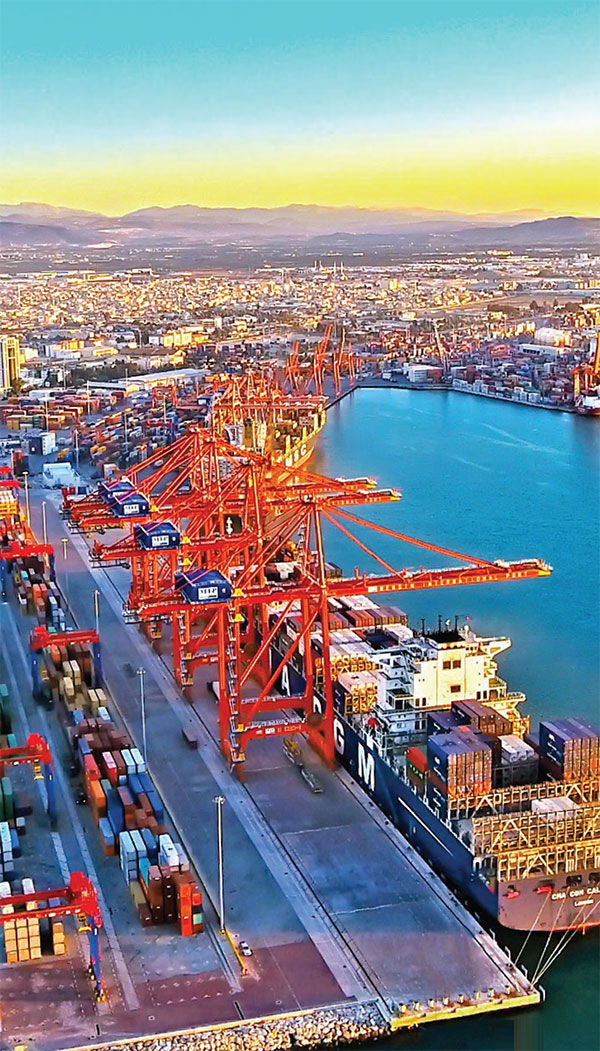
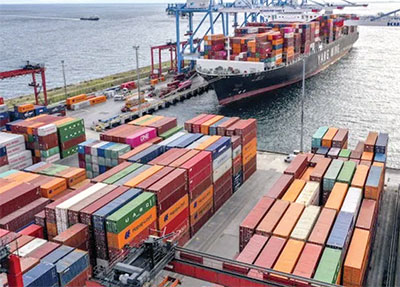

Ongoing developments in railroads, ports, and airports are set to bolster Turkiye’s competitiveness, enhancing connectivity across its extensive hinterland, including Europe, Asia, the Mediterranean, and the Middle East.

Challenges in Turkiye’s Logistics Sector

Despite these advantages, Turkiye faces challenges, particularly at its major ports and airports. Infrastructure investments are crucial to increasing capacity and operational efficiency, both of which are vital to sustaining growth.

Additionally, shifting global trade patterns pose new hurdles. Protectionist policies, trade wars, and regional instability do have an impact on Turkiye’s ability to maintain its trade flow and partnerships. However, Turkiye’s diversified export markets and robust domestic production capabilities act as a buffer, helping the country navigate these challenges and maintain its trade momentum.

CSS Turkiye: Adapting to a Dynamic Landscape

In response to regional instability and shifting market demands, CSS Turkiye has pivoted toward tailored solutions and specialized services. Our commitment to delivering high-quality, end-to-end shipment solutions, including unique port pair options, has set us apart from other forwarders.

Targeting key markets like the Mediterranean, the US East Coast, Australia, and the Middle East, we have prioritized customer satisfaction. This focus has led to a visible growth in business volume, affirming that we are on the right track. Our differentiator lies in providing customized solutions for diverse needs, offering flexibility and reliability in every service.

Vision for the Future

Looking ahead, our goal is to expand our service portfolio to meet evolving customer needs while integrating these offerings for seamless, uninterrupted solutions. For instance, we are currently developing an expedited delivery route for LCL/FCL cargo from our Greece agency via Izmir Port to Jebel Ali. Pending final approvals, this service is expected to significantly reduce transit times, with potential for wider adoption across other Mediterranean locations.

Enhancing Value Proposition: To remain competitive and relevant, we are focusing on four key areas:
Enhanced Customer Experience: Delivering flexible options such as diverse port pairings and integrated logistics solutions.
Sustainability: Addressing growing environmental concerns by adopting eco-friendly practices to attract environmentally conscious clients.
Cost Reduction: Optimizing routes and leveraging automated warehouses to lower operational costs and offer competitive pricing.
Adaptability: Embracing digitalization and operational flexibility to quickly adapt to market changes

A Strategic Partner in Logistics

Our industry is no longer just about moving goods from one point to another. It’s about creating value, driving innovation, and becoming an integral part of our clients’ growth and success stories. To thrive in this evolving landscape, we must transition from being service providers to trusted strategic partners who deliver measurable impact across their supply chains.

As members of the CSS Turkiye family, our responsibility is twofold: first, to anticipate and adapt to the ever-changing demands of the logistics industry; and second, to actively shape its future. This means fostering a culture of continuous improvement, leveraging emerging technologies, and delivering solutions that not only address the immediate needs of our clients but also empower them to navigate future challenges with confidence.

The question before us is clear: What will define the logistics industry in the years ahead, and how will we, as CSS Turkiye, lead that transformation? The answer lies in our ability to
stay agile, invest in our people and infrastructure, and maintain an unwavering commitment to quality and customer satisfaction.

Together, we can harness our unique strengths, unlock new opportunities, and establish CSS Turkiye as a leader in the logistics sector — a partner that doesn’t just deliver goods but builds bridges, creates value, and drives success.

Let’s continue to ask the hard questions, seek out innovative solutions, and work collaboratively to shape the future of logistics.

Navigating Growth and Challenges in Qatar’s Logistics Landscape

Established in 2016, Console Shipping Services WLL (CSS Qatar) has emerged as a significant player in Qatar’s logistics sector. With an initial focus on Less than Container Load (LCL) consolidation, CSS leveraged support from its UAE counterpart to navigate the complexities of the regional market. This article explores the company’s journey through challenges and opportunities, particularly during the diplomatic crisis, and its subsequent growth in the logistics industry.

To navigate this competitive opportunity effectively, we adopted a phased approach to our business strategy. Starting small allowed us to assess the market’s response to our offerings without overextending our resources. Our strategies were meticulously crafted, focusing on building relationships with local suppliers, understanding consumer preferences, and identifying gaps in the market that we could fill.

Establishing strong partnerships within the local business community has been crucial. Collaborating with established players not only provides insights into market trends but also enhances credibility. These partnerships have facilitated smoother entry into the market, allowing us to leverage existing networks and gain access to valuable resources.

In a market filled with top-tier competitors, innovation becomes a key differentiator. We invested in research and development to ensure our products meet the evolving needs of consumers. By introducing unique, high – quality products, we aim to attract attention and foster brand loyalty in a crowded marketplace.

Our strategy prioritizes gradual expansion. By starting with a focused product line and selectively entering new segments, we can manage risks more effectively. As we establish our presence and gain insights from our initial offerings, we will continue to expand our portfolio and explore new opportunities within the import and export market.

Strategic Entry to a new Market – 2016

Qatar, a dynamic and rapidly developing nation, presents a unique environment for commercial initiatives, particularly in the import sector. With a thriving economy and a market saturated with established players, entering this competitive arena may seem challenging at first. However, the opportunities available are vast, and with careful planning and strategic execution, businesses can carve out their own niche.
At the outset of our business journey in Qatar, we recognized the importance of understanding the market dynamics and the existing competition. The market is characterized by its ambitious vision for growth and development, driven by the nation’s strategic plans to diversify its economy. By aligning our business objectives with these national goals, we positioned ourselves to tap into various opportunities that the import market has to offer.

Facing Challenges: The Diplomatic Crisis of 2017

In 2017, Qatar faced a diplomatic crisis that severely affected cargo movement, particularly through land borders with neighboring GCC countries. This situation posed a significant challenge for Qatar Market as well as CSS, but our team turned adversity into opportunity. With the support of the several overseas Network partners and Qatari government, CSS began to implement Direct Import LCL consolidations from major global markets directly to Qatar.
The inauguration of the Hamad Port during the crisis was a turning point. This state-of-the-art facility, equipped to handle large vessels and significant cargo volumes, provided CSS and other traders with a strategic advantage. The direct access to international shipping routes allowed CSS as well to fulfill market demands at lower costs and with shorter transit times, resulting in a doubling of import volumes compared to previous years.

A New Era of Growth: 2021 Onward

By 2021, the political climate improved, offering renewed business opportunities for traders in Qatar. CSS capitalized on this resurgence by expanding its team and enhancing its logistics capabilities. The company’s commitment to meeting market demands positioned it among the top 10 players in LCL import consolidation in Qatar.
The year 2022 marked a historic milestone for Qatar as it hosted the FIFA World Cup. The government’s investment in world – class infrastructure, including multipurpose stadiums, showcased Qatar’s commitment to growth and development. We, at CSS Qatar, also had an opportunity during this period by ensuring the smooth flow of goods and services, contributing to the overall success of the event.

Qatar’s Economic Landscape and CSS’s Strategic Growth
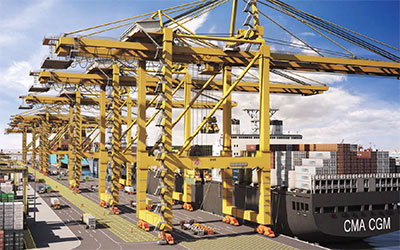
Being a major producer of natural gas, supports the financial stability and encourages investment, to boosts Qatar’s economy. The nation’s ambitious National Vision 2030 aims to accelerate economic development through Oil and Gas, Tourism, Urban Construction, Industrial Projects, and enhanced transport facilities.
CSS has aligned its growth strategy with this national vision, and has expanded its operations, established new warehouse facilities and ventured into e-commerce in partnership with CSS eLogix Dubai. As of 2024, CSS Qatar has risen to the forefront of the logistics industry in Qatar, achieving one of top position in LCL import and export consolidation.

Global Reach and Future Prospects

Today, CSS Qatar encompasses a wide network of consolidations from various countries, including the USA, UK, Italy, France, Germany, Netherlands, Turkey, UAE, Oman, India etc. This global reach not only enhances CSS’s service offerings but also positions it as a vital link in Qatar’s logistics chain. Console Shipping Services WLL (CSS Qatar) has demonstrated resilience and adaptability in the face of challenges, transforming obstacles into opportunities for growth. As Qatar continues to develop its infrastructure and expand
its economic horizons, CSS Qatar remains committed to being a key player in the logistics sector, ready to meet the evolving needs of the market. With a strong team and strategic vision, CSS Qatar is prepared for continued success in the years to come.


CSS Global Forwarding Successfully Moves 2600 CBM Heavy-Lift Cargo

The CSS Global Forwarding division has once again demonstrated its expertise and leadership in handling oversized and heavy-lift cargo. In an impressive operation, the team successfully executed the transport of 2600 CBM cargo, comprising 39 packages, from India to the continent. This achievement underlines the division’s commitment to precision, planning, and excellence in global logistics solutions.
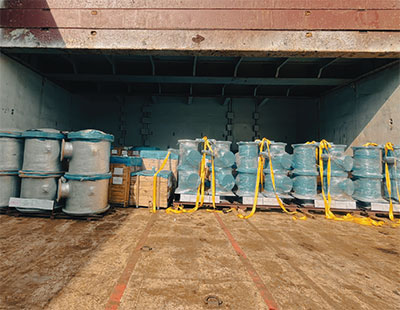
Perfecting the Art of Handling Oversized Cargo

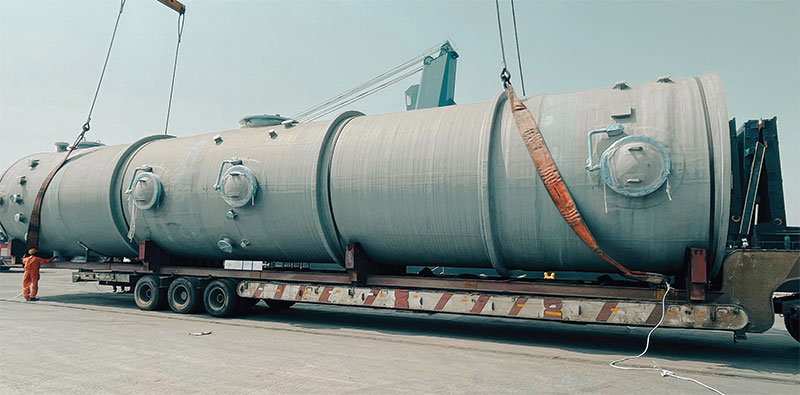
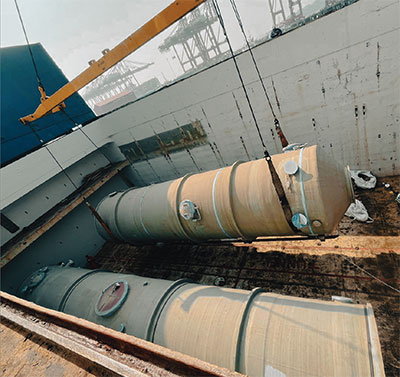
Executing a project of this scale requires meticulous coordination and a deep understanding of the complexities involved in oversized cargo movement. Among the 39 packages, the longest piece measured an astounding 22 meters, testing the limits of logistical precision, while the heaviest piece tipped the scales at 40 tons, demanding exceptional expertise in secure handling and transport. Handling such colossal cargo is no ordinary task. It requires not only specialized equipment but also the strategic foresight to anticipate challenges and overcome them seamlessly.
The CSS Global Forwarding team rose to the occasion, ensuring that every element of the operation was executed flawlessly, right from loading in India to the final secure delivery at its destination.

Precision Planning and Seamless Execution

The success of this operation can be fully credited to the meticulous planning and seamless execution by the CSS Global Forwarding Team. From the careful lashing of the cargo to ensuring balance during transit, every detail was managed with precision. The team worked closely with trusted global partners to provide end-to-end solutions, ensuring that all safety standards and timelines were met. Collaboration among the various stakeholders also played a crucial role. CSS’s ability to seamlessly coordinate with local authorities, transport partners, and port officials was instrumental in ensuring smooth execution. The team leveraged its vast experience in handling oversized and heavy-lift cargo, ensuring that each step was executed with the utmost care and precision.
Setting High Standards

At CSS Global Forwarding, every project is an opportunity to showcase our ability to adapt and deliver. Our latest success story highlights our growing capabilities in handling heavy lift, breakbulk, and project cargo operations. Such achievements are a testament to the relentless efforts of our logistics experts, who combine technical know – how with a commitment to
excellence.
By overcoming the inherent challenges of transporting oversized and high – weight cargo, CSS continues to set new benchmarks in the logistics industry. Our ability to deliver innovative solutions under pressure reaffirms the confidence clients place in us to manage their most complex cargo requirements.

Commitment to Excellence

The CSS Global Forwarding division’s success lies in its people — a team of professionals whose dedication, strategic thinking, and expertise drive every successful operation. Their ability to anticipate challenges, coordinate seamlessly across borders, and execute with precision ensures that every project, regardless of size or complexity, is delivered with excellence.

As we celebrate this milestone, we reaffirm our commitment to pushing boundaries in global logistics. With a focus on innovation, efficiency, and reliability, CSS Global Forwarding remains at the forefront of the industry, delivering solutions that simplify even the most complex logistics challenges.


Middle East Trade: Navigating Challenges in 2025

As global trade continues to evolve, the Middle East emerges as a vital hub of growth, diversification, and innovation. Insights from the Economist Impact’s “Trade in Transition: Regional Insights” (2024) report underlines the region’s ambitious trajectory, highlighting key trends shaping its economic landscape

Middle East Economy – A Balancing Act

The Middle East’s economy was forecasted to grow by 2.3% in 2024, driven by favorable commodity prices and strategic reinvestments. Export growth was projected to hit 3.8%, ranking the region among the top three fastest-growing export markets globally, alongside Asia-Pacific and Africa. However, the report import growth
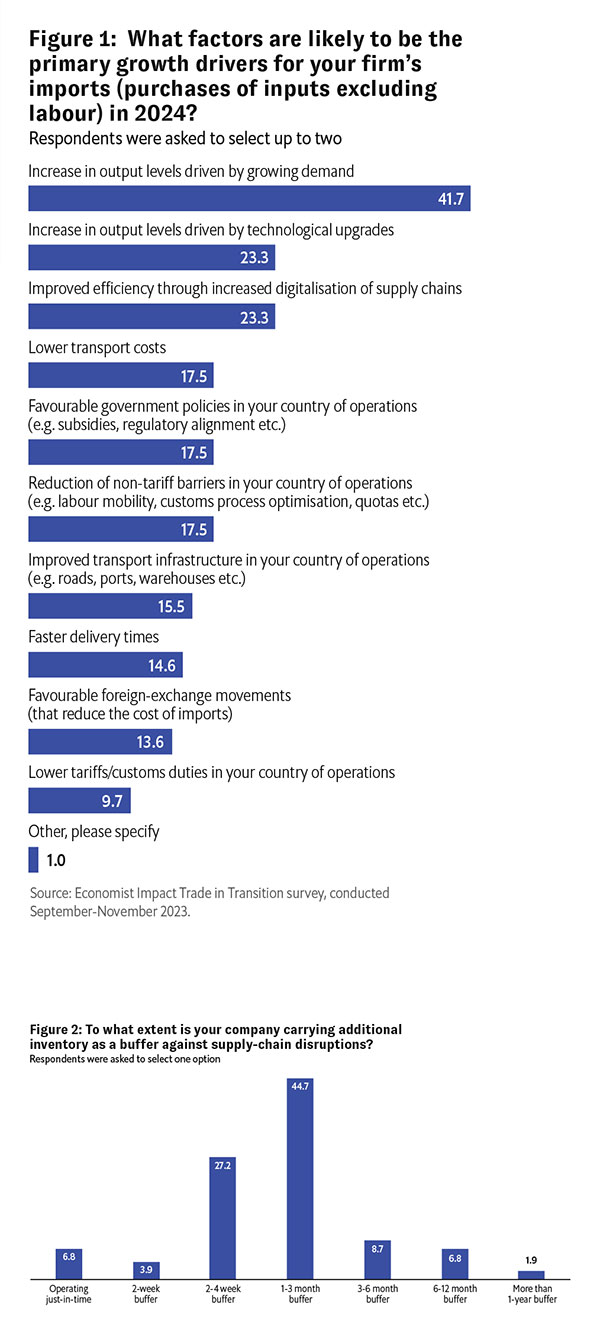
was pegged at a moderate 4.6%, reflecting a recalibration following 2023’s robust expansion. 42% of surveyed supply-chain executives cite increased domestic output levels — spurred by rising demand — as the leading driver of export growth.

Diversification Beyond Hydrocarbons

The Gulf region is actively diversifying its economies, leveraging hydrocarbon profits to expand into sectors like technology, logistics, tourism, and renewable energy. Key initiatives, such as the UAE’s non-oil trade growth (up 14.4% in H1 2023) and Saudi Arabia’s Vision 2030, are driving foreign investment and boosting sectors like construction and manufacturing.
Moreover, businesses in the region are adapting supply chains to enhance resilience, with 43% diversifying suppliers and 45% incorporating buffer times of 1 – 3 months to mitigate disruptions and ensure continuity. This shift creates opportunities in high – value manufacturing and service industries while prioritizing supply chain robustness.

Strategic Market Expansion

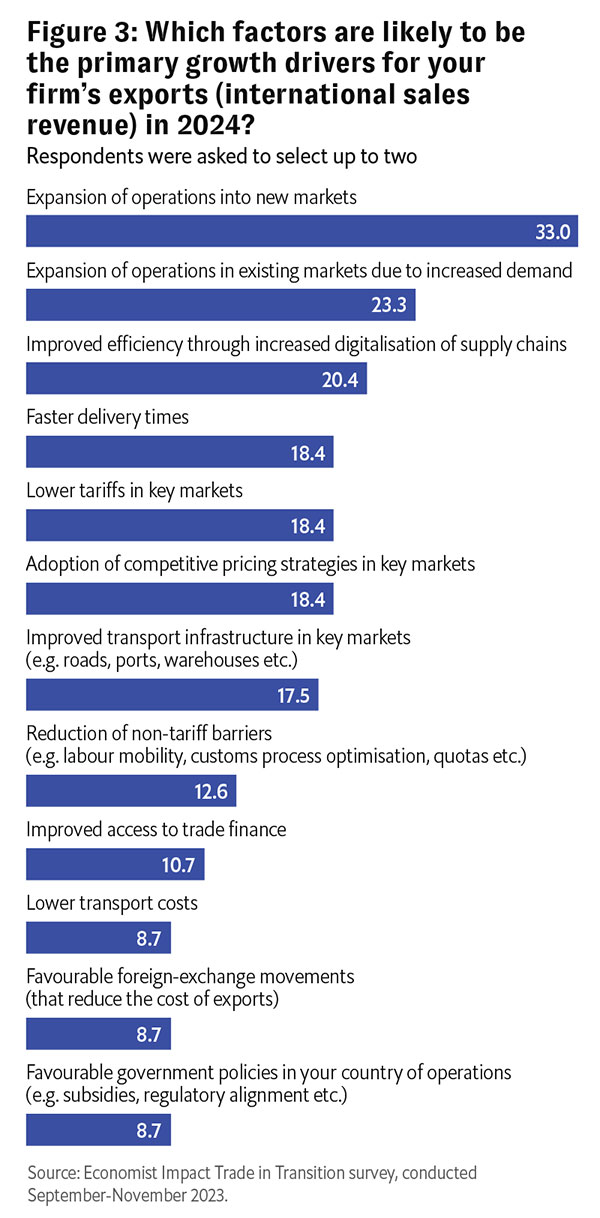
The Gulf region’s economic diversification efforts are driving the exploration of new markets and trade routes, particularly in Asia-Pacific and Africa. Governments are prioritizing non-oil exports to fuel diversification, with 33% of Middle Eastern business executives identifying market expansion as the primary export growth driver for 2024.  Since 2022, countries like the UAE and Saudi Arabia have intensified efforts to build trade partnerships beyond the Gulf.

Bilateral Agreements to Boost Non-Oil Trade:

The UAE signed a free trade agreement (FTA) with Georgia, with the potential to double non-oil trade between the two nations within five years. This reflects the Gulf’s proactive stance in securing strategic trade relationships to bolster economic diversification.

Ongoing Negotiations with Emerging Economies:

The UAE is in discussions for comprehensive economic partnership agreements (CEPAs) with South Korea, Thailand, and Chile. These agreements aim to open new trade corridors and enhance market access for Gulf-based businesses.

Deepening Ties with Asia-Pacific:

Saudi Arabia’s strengthened trade relationship with China highlights a shift toward integrating with the Asia-Pacific economic landscape. This partnership is expected to enhance trade volumes and facilitate technology and infrastructure investments.

Leveraging Neutrality for Market Penetration:

Gulf nations’ neutral geopolitical positioning allows them to establish trade relations across diverse regions. This strategy enables a broader reach, fostering economic resilience and reducing reliance on traditional markets.

Building Global Ties to Drive Non-Oil Trade

The Gulf’s diversification strategies are fueling the opening of  new markets and trade routes, particularly in Asia – Pacific and Africa. Governments are prioritizing non – oil exports,
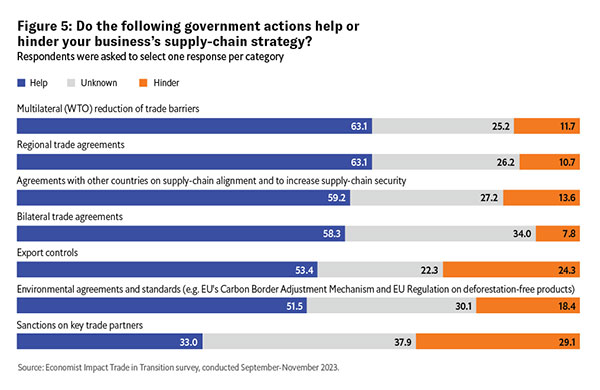
with 33% of Middle Eastern executives identifying market expansion as a key driver of export growth in 2024. Countries like the UAE and Saudi Arabia are enhancing trade relationships beyond the Gulf, such as the UAE’s FTA with Georgia and ongoing negotiations with South Korea, Thailand, and Chile. Meanwhile, trade agreements with China and India underscore the region’s increasing integration with Asia. These partnerships not only expand market access but also strengthen supply – chain strategies, with 63% of surveyed businesses reporting benefits from bilateral trade agreement.

FTAs to Boost Economic Integration: The UAE’s Free Trade Agreement with Georgia aims to double non – oil trade within five years. Similar agreements under negotiation with South Korea, Thailand, and Chile reflect the region’s commitment to building diverse trade networks.

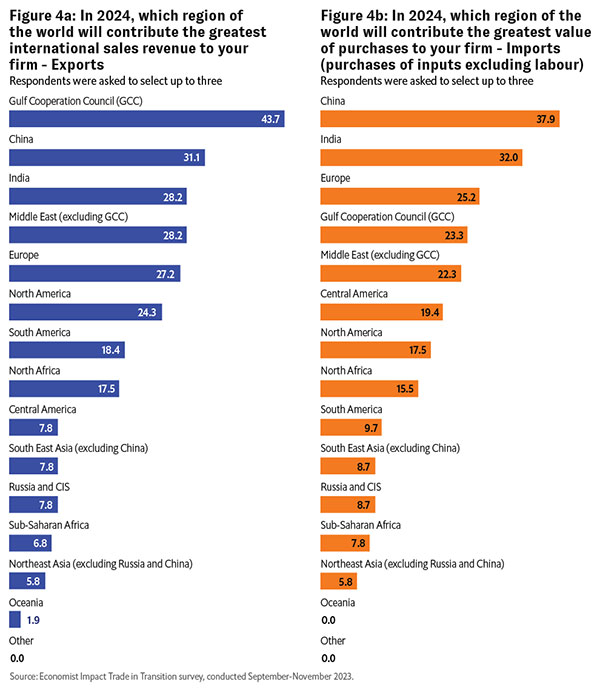
Strengthening Ties with Asia’s Largest Economies: Saudi Arabia is enhancing trade relations with China, the region’s second most important export market and top import market. The UAE’s trade deal with India further underscores Asia’s growing significance, with India ranking as the third most important export and second most important import market.

Regional and Global Trade Corridors: While the GCC remains the primary export destination for Middle Eastern firms, businesses are increasingly leveraging new trade corridors across Asia – Pacific and Africa to diversify revenue streams and reduce reliance on traditional markets.

Supply Chain Resilience Through Bilateral Agreements: Nearly 63% of businesses in the Middle East find bilateral trade agreements beneficial for enhancing supply – chain strategies, enabling them to build additional supplier relationships and mitigate disruptions.

The Economist Impact report, Middle East Global Ascent: Strategic Shifts, Diversification, and Market Expansion in the Middle East’s Economic Landscape, highlights the Gulf region’s transformative journey toward economic resilience. By leveraging their neutral geopolitical stance, Middle Eastern nations are opening new markets, forging strategic trade agreements, and reducing dependency on hydrocarbons. With a focus on non-oil sectors like technology, logistics, and manufacturing, these efforts arecreating a dynamic environment ripe with opportunities for businesses to thrive.

For the CSS Group, this evolving landscape presents immense potential. As the Gulf continues to prioritize supply chain diversification and global connectivity, we are well – positioned
to play a key role in enabling businesses to navigate new trade routes and expand their operations seamlessly. With our expertise and strategic presence in the region and beyond, we
are committed to supporting our partners in capitalizing on the Middle East’s ascent as a global economic powerhouse.

CSS Christmas Celebrations 2024

As the holiday season approached, the CSS family came together to celebrate Christmas and New Year with unparalleled enthusiasm and joy. The Christmas Committee of 2024 pulled out all the stops to ensure this festive season was not only memorable but also brought the team closer together.By December 14th, the office entrance was transformed into a dazzling display of Christmas cheer, with twinkling lights, festive wreaths, and a beautifully decorated Christmas tree that became the centrepiece of the celebration. The decor instantly set the tone for the season, welcoming employees and visitors alike with its warmth and charm.

Client giveaways were thoughtfully prepared, reflecting CSS’s appreciation and gratitude. The Christmas Committee worked diligently to oversee the distribution to various departments and management, ensuring every client felt valued during this special time of year. Continuing the spirit of giving, CSS employees generously contributed to fund giveaways for the CFS staff, a tradition that truly underscores the company’s culture of care and inclusivity.


From December 16th to 20th, the office was abuzz with laughter and camaraderie as five engaging games were held daily. Employees embraced the opportunity to bond and showcase their competitive spirit in a light-hearted atmosphere. The Marketing team played a pivotal role in organizing the games, ensuring all materials and props were ready, and encouraging participation across departments. The much-anticipated Secret Santa event brought an element of surprise and delight to the celebrations. On December 20th, employees arrived to find thoughtful gifts on their desks, sparking smiles and conversations as colleagues guessed their mystery givers. This simple yet heartwarming gesture added a personal touch to the festivities.

A special Christmas Tea was organized for the CFS staff on December 19th, providing an opportunity for everyone to come together, share stories, and enjoy the festive treats. This thoughtful event highlighted CSS’s commitment to inclusivity and fostering a sense of belonging for every team member. The celebrations reached their crescendo on December 20th with a delightful Christmas Potluck Lunch. The event was a culinary feast, featuring a variety of homemade dishes lovingly prepared by employees. It was a time for colleagues to bond over delicious food, laughter, and shared traditions. The occasion was made even more special with the presence of managers from other UAE branch offices, who joined the celebrations and strengthened inter – branch relationships.

The day concluded on a high note with a lively game of Bingo. From the beautifully decorated office to the engaging games, thoughtful giveaways, and memorable events, every aspect of the celebration reflected the values of the CSS family

Saudi Arabia: Freight Forwarding Outlook For 2025

Saudi Arabia freight forwarding market is expected to generate USD 18.8 billion in revenue by end of 2025. The government is heavily investing in logistics infrastructure, including logistics parks, ports, and intermodal connectivity as a part of the Vision 2030 plan to establish the kingdom as a logistics hub. Economic growth, rising population, and rapid urbanization are driving the demand for freight forwarding services. Saudi Arabia is making significant strides in developing its logistics infrastructure. These initiatives are part of a broader strategy to transform Saudi Arabia’s logistics sector and support its economic diversification goals

National Industrial Development and Logistics Program (NIDLP)
The National Industrial Development and Logistics Program (NIDLP) aims to transform the Kingdom into a leading industrial powerhouse and a global logistics hub by maximizing the value of its mining and energy sectors while unlocking the full potential of local content. NIDLP will largely contribute to driving the Kingdom’s economic diversification towards sustainable growth by fostering a globally attractive investment environment

Strategic Partnerships in Logistics
A new strategic partnership has been established between Egypt’s Hassan Allam Utilities, the investment and development arm of Hassan Allam Holding, and Saudi Arabia’s Defaf United for Logistics, a subsidiary of Nesma Holding. Under the deal, the two companies will work jointly to invest in and develop an off-port terminal in King Abdullah Economic City (KAEC), located next to King Abdullah Port. The collaboration aims to improve logistics capabilities in the region by providing integrated solutions to meet the growing demands of the logistics and trade sectors. The terminal will include container yards and warehousing facilities, offering logistics solutions for a variety of customers. It is expected to enhance operations in Saudi Arabia, as well as across the Gulf Cooperation Council (GCC) region and East Africa. The development aims to streamline logistics processes, improve supply chain efficiency, and support trade connectivity. The infrastructure will facilitate cargo handling, reduce operational costs, and assist businesses in expanding their reach.

Investments in Logistics Infrastructure
The Saudi government is heavily investing in logistics infrastructure, including ports, logistics parks, and intermodal connectivity. These investments are part of the Vision 2030 plan to diversify the economy and reduce dependence on oil. Saudi Arabia’s Ministry of Finance has released its Pre-Budget Statement for the fiscal year 2025, estimating revenues of SAR 1.184 trillion and expenditures of SAR 1.285 trillion, resulting in a projected deficit of SAR 101 billion, or 2.3% of the GDP. The logistics sector stands to benefit from the government’s strategic transformational spending, which will drive infrastructure development and support transportation and warehousing innovations. The continuous improvement of transport and logistics services is expected to attract foreign investment, create new business opportunities, and increase competitiveness in regional and global markets. This comes as international organizations and credit agencies are forecasting positive trends for the Saudi economy, with real GDP growth expected to reach 4.6% in 2025.

Ports and Maritime Advancements
The Kingdom is investing heavily in upgrading and expanding its ports to increase capacity and efficiency. King Abdullah Port (KAEC) is one of the largest and most advanced ports in the region. Located on the Red Sea, it is designed to handle large volumes of cargo, including containerized goods. Jeddah Islamic Port, a key gateway for trade, is undergoing expansion to handle more cargo and facilitate smoother operations. Dammam Port, located on the Arabian Gulf, is essential for trade with the eastern part of the world, including Asia. The Red Sea Gateway Terminal is a modern facility being developed to handle container traffic and improve Saudi Arabia’s maritime logistics capabilities.

Enhancements in Air Cargo
The Kingdom is also enhancing its air cargo and passenger transport capabilities. King Abdulaziz International Airport (Jeddah) and King Khalid International Airport (Riyadh) are being expanded to accommodate increasing air freight demand and passenger traffic. Saudi airports are modernizing facilities and implementing advanced technologies to handle higher volumes of air cargo, particularly as e-commerce grows in the region. Dedicated air cargo hubs are being established at key airports to streamline the movement of goods and enhance air freight logistics.

Road and Rail Infrastructure Development
Saudi Arabia is significantly improving its road and rail infrastructure to improve domestic and international connectivity. The Saudi Railway Network is being developed to connect major cities and transport goods efficiently. The Saudi Landbridge Project, a multi-billion-dollar rail project, will connect the Red Sea (Jeddah) to the Arabian Gulf (Dammam) via Riyadh, facilitating faster movement of goods across the Kingdom. Highways and roads are being upgraded to improve the efficiency of land-based logistics, with projects such as the King Abdulaziz Road in Riyadh aiming to reduce congestion and improve traffic flow.

Specialized Logistics Zones
Saudi Arabia is developing specialized logistics zones and industrial cities. Logistics cities like the Riyadh Logistics Hub, King Abdullah Economic City, and Jeddah Logistics City are being established. These zones are designed to integrate different modes of transportation, such as rail, road, and sea, and provide businesses with storage, warehousing, and distribution facilities. King Salman Park, a new logistics city with state-of-the-art infrastructure, is also under development to serve as a central hub for manufacturing and logistics. The Kingdom has also created economic cities like the King Abdullah Economic City (KAEC) and Prince Abdulaziz Bin Mousaed Economic City that focus on developing infrastructure for logistics, trade, and industry.

Vision 2030 and Logistics Goals
Under Vision 2030, Saudi Arabia aims to rank among the top 25 countries in the world for logistics by improving infrastructure, services, and logistics performance. The Kingdom plans to transform into a global logistics hub by enhancing connectivity between Europe, Asia, and Africa. It seeks to improve ease of doing business in the logistics sector by simplifying regulations and incentivizing private investment in logistics and supply chain services. The government is also focused on creating jobs by expanding logistics-related industries and attracting foreign investment in logistics infrastructure. The Saudi government is increasingly leveraging public-private partnerships (PPPs) to fund the development of logistics infrastructure. Key projects, including airports, ports, and transport hubs, are being developed in collaboration with international partners and private investors.

Oil and Gas Sector Developments
Saudi Arabia’s oil and gas sector in 2025 will continue to expand through significant investments in both upstream and downstream infrastructure. The country will focus on increasing its natural gas production, expanding its petrochemical industry, and enhancing its oil production capabilities. Furthermore, Saudi Arabia’s efforts to develop new energy hubs and increase its technological and environmental sustainability will shape the future of its oil and gas industry, helping the Kingdom maintain its leadership role in global energy markets. The Jafurah gas field, located in the Eastern Province of Saudi Arabia, is one of the largest non-associated gas fields in the country. The project is key to Saudi Arabia’s strategy to increase natural gas production and reduce reliance on crude oil for domestic energy consumption. Saudi Aramco is expected to make significant progress in the development of Jafurah, aiming to produce up to 2.2 billion cubic feet of gas per day by 2030. The project will involve large-scale drilling, processing facilities, and infrastructure to transport and utilize the gas for power generation and industrial uses.

Energy Industrial Hubs
SPARK, located in the Eastern Province, is a large-scale energy industrial hub that will focus on the oil, gas, and petrochemical sectors. The park is intended to be a global centre for energy innovation, with numerous oil and gas companies expected to operate in this area. The first phase of SPARK is set to be operational, with infrastructure in place to support oil and gas exploration, production, and downstream industries. SPARK aims to create thousands of jobs and is expected to attract significant investments in oil and gas projects, further solidifying Saudi Arabia’s status as an energy leader.

Expanding Oil Fields
The Shaybah oil field, located in the Rub’ al Khali (Empty Quarter), is one of the largest and most remote oil fields in Saudi Arabia. In recent years, Aramco has been working on expanding its production capabilities from this field. Expansion of Shaybah’s capacity is expected to help boost the field’s production to over 1 million barrels per day. The development will also include enhancing the field’s infrastructure and expanding its capacity to handle high-production output, ensuring that Saudi Arabia can maintain its position as the world’s leading oil exporter. Saudi Aramco is working on projects to boost the output from its offshore oil fields, including the Marjan and Berri fields in the Arabian Gulf. These fields are critical to maintaining Saudi Arabia’s oil production capabilities. The ongoing developments in Marjan and Berri are expected to significantly increase production.

Saudi Aramco has already invested billions into upgrading the facilities, including offshore platforms, pipelines, and storage facilities, to increase overall output by hundreds of thousands of barrels per day

Renewable Energy Initiatives
By 2025, Saudi Arabia is set to make significant advancements in renewable energy, particularly in solar and wind power. These projects will be key in helping the country meet its Vision 2030 objectives of diversifying its energy mix and reducing carbon emissions. Saudi Arabia’s investments in green hydrogen, energy storage, and eco-friendly urban developments like NEOM will also position it as a leader in sustainable energy in the region and globally. The NEOM Green Hydrogen Project is the world’s largest utility scale, commercially based hydrogen facility powered entirely by renewable energy. An equal joint venture between NEOM, Air Products and ACWA Power, the project is based on proven, world-class technologies that will include the innovative integration of a combined capacity of around four gigawatts of renewable power from onshore solar, wind and storage. When commissioned in 2026, it will produce 600 tonnes per day of clean hydrogen by electrolysis using ThyssenKrupp technology; production of nitrogen by air separation using Air Products technology; and production of up to 1.2 million tonnes per year of green ammonia. When complete, the project will mitigate the impact of 5 million metric tonnes of carbon emissions per year.

Oman Accelerates Plans for Six New Airports to Boost Travel and Logistics

Oman is advancing rapidly with plans to build six new airports, aiming to enhance its aviation infrastructure and strengthen its position in the global travel and logistics sectors. According to a Muscat Daily report, the airports are slated to become operational between 2028 and 2029, increasing the total number of airports in the country to 13. This ambitious expansion is poised to transform Oman’s domestic aviation sector while significantly bolstering its tourism and logistics industries

The Chairman of Oman’s Civil Aviation Authority (CAA) highlighted the strategic importance of the airport expansion during the Future Aviation Forum in Riyadh. It was stated that the new airports would significantly enhance connectivity to key industrial hubs such as Sohar, Salalah, and Duqm. The expansion to 13 airports is expected to strengthen domestic aviation connectivity and support the growth of tourism in Oman.

For travelers, the addition of these airports means greater convenience and accessibility across Oman. Reduced travel times, direct flight options, and better connections will allow tourists to explore Oman’s diverse regions more effortlessly. Whether visiting its cultural landmarks, breathtaking deserts, or coastal retreats, travelers can look forward to a seamless experience backed by modern infrastructure and enhanced services.

The improved airport network will also attract more international visitors, making Oman a more competitive destination in the region. With streamlined travel options and state-of-the-art facilities, the new airports are set to support Oman’s vision of becoming a premier tourist destination.

Oman’s airport expansion aligns with its broader economic development goals, aiming to leverage upgraded infrastructure to drive growth in both tourism and logistics. Beyond improving passenger connectivity, the new airports will provide critical transportation links for goods and services, reinforcing Oman’s role as a logistics hub in the region.

Passenger traffic is expected to see a dramatic rise, with projections estimating an increase from 17 million to 50 million travelers annually by 2040. This anticipated surge underscores the urgent need for expanded airport capacity to accommodate the growth and position Oman as a significant player in international aviation.

The completion of these projects will create a more streamlined and enjoyable travel experience for both domestic and international travelers. Modern facilities, enhanced connectivity, and expanded flight options will make travel within Oman and beyond more attractive. For tourists, this means easier access to the nation’s stunning landscapes, vibrant cities, and rich cultural heritage.

Oman’s investment in its aviation sector reflects its commitment to building a future-ready economy, strengthening its logistics infrastructure, and enhancing its appeal as a travel destination. With these new airports, the sultanate is poised to take a leading role in the region’s aviation industry, delivering benefits for passengers and businesses alike.

Employees Of The Month


Sonichan Joseph
Labourer
CSLC CFS Operations

He is very proactive and performs his jobs very effectively. He handles the
day-to-day job properly and does not take any unnecessary days off.

Awarded By
Suresh Sivadasan
Assistant Manager, CFS Warehousing Operations


Ajmal Payyilot
Operation Supervisor
Operations – CSS eLogix

I am nominating this employee because of his exceptional dedication, consistent performance, and significant contributions to our team. He has demonstrated strong problem-solving skills, a proactive attitude, and the ability to handle high-pressure situations effectively. His commitment to excellence and continuous improvement has greatly benefited our operations and increased customer satisfaction.

Awarded By
Najeeb Mohammed
Operations Manager, CSS eLogix


Tarun Alex
Forklift Operator
CSS Homeward Bound
October 2024

I would like to recommend Mr. Tarun Alex for Employee of the Month. He has been working as a forklift operator since 31st oct 2023, and has also been handling tally tasks with great proficiency. I have been consistently impressed with Tarun’s positive attitude towards his work and his excellent performance. He is a dedicated worker who consistently completes tasks accurately and within the given timeline.
Awarded By
Prasanth Kunnathullil Murali
Warehouse Incharge, Homeward Bound

Page1 Page2 Page3 Page4 Page5

CSS Newsletter

In this issue:

Quick Links

  • Home
  • About
  • Services
  • Corporate Brochure
  • CSS Corporate PPT
  • News Media
  • Lighthouse
  • Careers
  • Contact us

Locations

  • Dubai
  • Abu Dhabi
  • Sharjah
  • Ras Al Khaimah
  • Bahrain
  • Oman
  • Qatar
  • Saudi Arabia
  • Kuwait
  • Kenya
  • Turkey
  • India

Subscribe to our bi-monthly newsletter, Lighthouse

  • Follow Us
© 2025 CSS Group. All rights reserved. Crafted with by Netventure