Managing Your Empire
If you look at the history of great empires including Roman, Tibetan, Spanish, Russian and British, you see that they all grow to a certain size and then start to fall apart. The simplest and easiest reason for this is because the ethos, that originally bound them together, becomes lost across the ever increasing expanse. Those at the edges start to question why they should conform and the rational for doing so becomes weakened, eventually leading to the collapse of an empire.
The same effect may be seen in any business, company or organisation. If the centre loses connection with the lowest or farthest component then things can rapidly change adversely. Consequently if things change at the centre it’s important to let those furthermost away know what is happening, so that they remain inclusively involved and aware. Even in smaller workplace and social environments if the message and focus, which unites purpose, becomes cloudy then a breeding ground for misunderstandings may quickly start to permeate. In such a situation even an award winning team may, slowly and almost inconspicuously, start to fall apart simply because of the insecurity that is generated.
One report, from the Rotman School of Management in Toronto, recently published that some 41% of employees from all types of business noted high levels of stress. Whilst this increase is often blamed on our modern lifestyle, it’s insecurity which usually plays the trigger role. Generally we all prefer to know and understand what is expected of us, as this helps us achieve the goals that have been set. Probably like the writer of this article, we all gain satisfaction from knowing that we have done a job well and that the boss appreciates us. But until you get to the top, where the buck stops, even the bosses have a boss. Consequently any changes in management structure at whatever level may effects in areas where no one anticipated them.
Owing to modern demands, emails, texts, tweets news soon travels. Gossip quickly becomes the truth and fake news proliferates. Social media quickly spreads fear of failure and creates a ‘company sickness’ even though there is no real foundation for it! This is why it has become so important to ensure that everyone is, ‘in the loop’ when it comes to spreading good news.
So how may you test to see if you are getting good vibes in the workplace?
Well there is one simple way. Ask yourself this question. When emails arrive or your office telephone rings do you think they are bringing you problems or solutions, good news or bad news? If you appreciate your Company’s mission, and you enjoy being part of the team, then you will regard them as opportunities regardless of their nature. If not, you need to find time to chat with your colleagues to see what may be done to reverse any adverse trends. This is important because expectations about ones professional life have changed over recent years. Work, a pursuit others previously did for money and status, is now assumed to provide us with personal fulfilment. The logic goes that, without fulfilment, we will not realise our potential and will therefore feel unsatisfied at work and less productive. Obviously this is a situation that not only ourselves, but also management, wish to avoid.
So the bottom line is that when management changes are not communicated fully or understood properly it may lead to uncertainty. Uncertainty can then give rise to insecurity, which may cause anxiety, which in its turn brings on stress. As a consequence the motivation to provide our best and achieve our full potential is lost. This is a situation which benefits none of us.
Because of the greater focus on social media and its impact on spreading information, there has been a focus on how beneficial interactions and discussions are encouraged. Many companies now have role-play, get-away-days and other types of ‘out of the box’ ideas, so that staff feel more able to socialise on a friendly basis. Outside the restraints of being in the workplace, a more relaxed atmosphere often produces worthwhile outcomes. However here is an old chestnut story which, in this context, is worth repeating.
A sales representative, a project assistant and their manager went off to lunch together when they found an antique magic lamp. They decided to rub it and the Genie of the lamp appeared. The Genie said that each of them could have one wish.
“Me first!” says the sales representative. “I want to be on my own magnificent house boat being waited on hand and foot, in my own estate, in the Kerala Backwaters without a care in the world.” Whoosh – their dream wish comes true.
“Me next!” says the project assistant. I want to as rich as Elon Musk and have my own paradise island, relaxing on the beach, with an endless supply of everything I desire.” Whoosh! Their dream wish comes instantly true.
“OK, it’s your turn,” says the Genie to the manager. The manager says, “I want those two back in the office after lunch.”
Now if you understand the logic behind this story, and it makes you chuckle, then you’re already well on the way to dealing with any opportunities changes may bring within your workplace. Keep an open mind, build on your experiences, listen to others and have a friendly collective approach and you’ll never find yourself stuck on the edges of an empire. You’ll be part of the driving force for the better.
 Arbitration is an alternative dispute resolution process, in which the parties to a contract, present the arguments and evidence to an independent and neutral third party known as the “arbitrator” who is appointed by mutual consent or a statutory provision. This arbitrator who acts as a judge makes a determination named as an “award” which is legally enforceable and binding on both the parties.
 Being only a short time since the dawn of the New Year prompts thinking about, and analysing, the eventful days we have had during the past year. Having all of you alongside certainly ensured that it was a great journey throughout 2017. The uncertainty of the overall global economy meant we had many ups and downs, throughout the year, but we managed to sail auspiciously ahead. We made some commendable achievements, notably with our expansion of operations in the Middle East and Indian Sub-continent.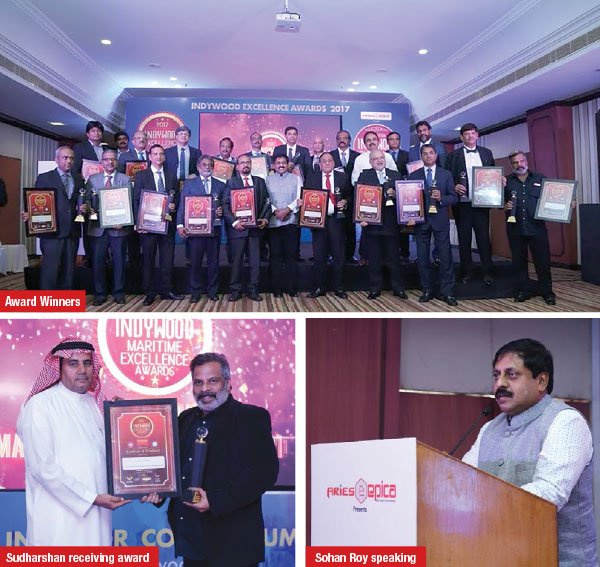
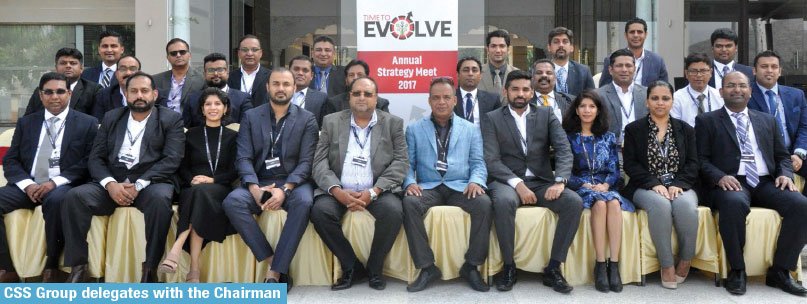
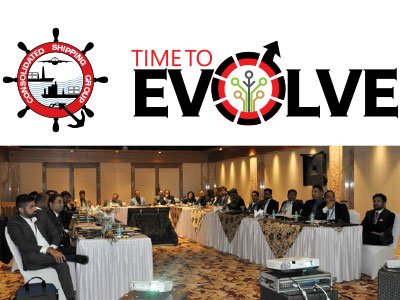








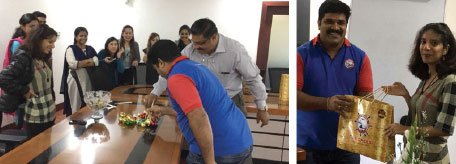

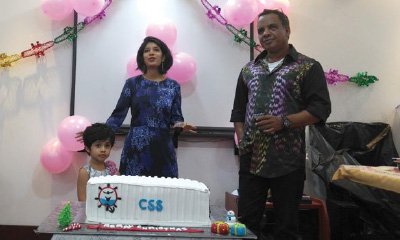
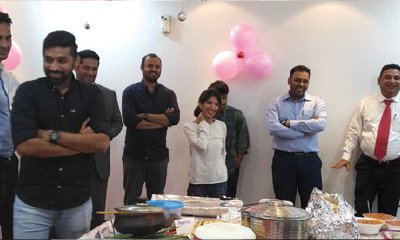


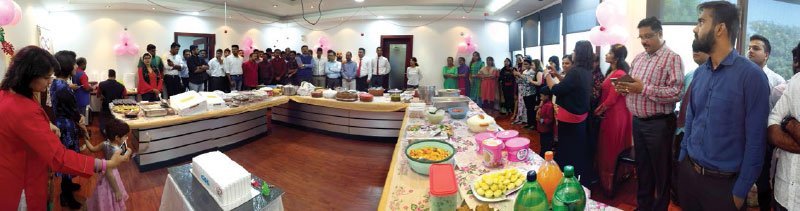




 Good fortune is always treated as an ingredient for success in business, but it is only one ingredient. Managing business needs unique capabilities, especially when it comes to shipping and logistics.
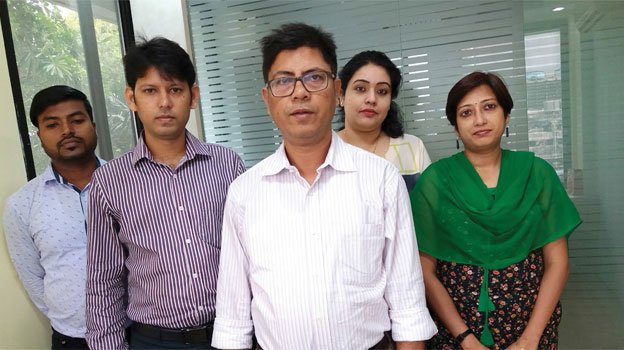
 Lighthouse was curious about the advantages of Kolkata being the only port in the Upper eastern region of the Sub-continent. Pijush Saha, who leads the team Kolkata in the capacity of Branch manager, nodded in the affirmative and said, Kolkata, being the only port in the Eastern region of the nation can extend CSS business lines with the Northern and Central parts of India. The fact remain that few coastal vessels complete the voyage of the cargo within the duration of two days. One of the major problems with Kolkata port is that it suffers from Tidal Bores entering the port frequently and it bends at several places which in turn are not allowing the large vessels to enter the port.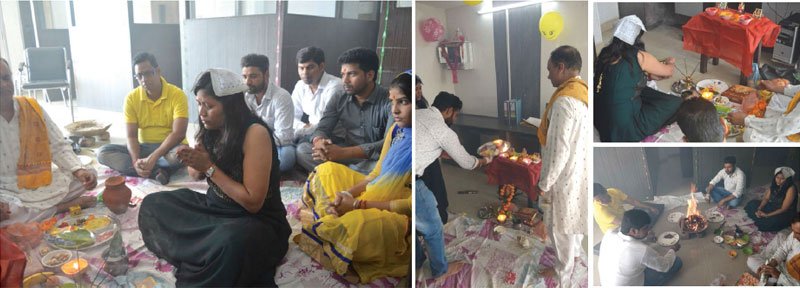
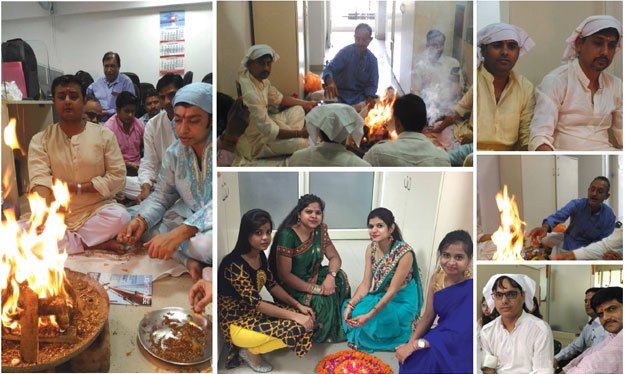


 Popularly known as the “City of lakes” – is a famous tourist destination and known for its history, culture and scenic surroundings.
 Following the successful venture of the CSS Group into Saudi Arabia, we are pleased to announce the appointment of Dr. Britto Satheesh as Director, CSS Kingdom of Saudi Arabia. Britto will lead the CSS Group’s business in KSA, driving the business development and support teams on all aspects of growing, enhancing the CSS Group brand in the Saudi Arabian market. We are convinced that he will add another layer of success to our quality efforts, while aligning processes at the CSS KSA enterprise with the rest of the CSS Group.