 The disruption in the Strait of Hormuz has reshaped freight movement across the Gulf. Reduced vessel traffic has upended schedules, increased insurance costs, and created uncertainty for regional supply chains.
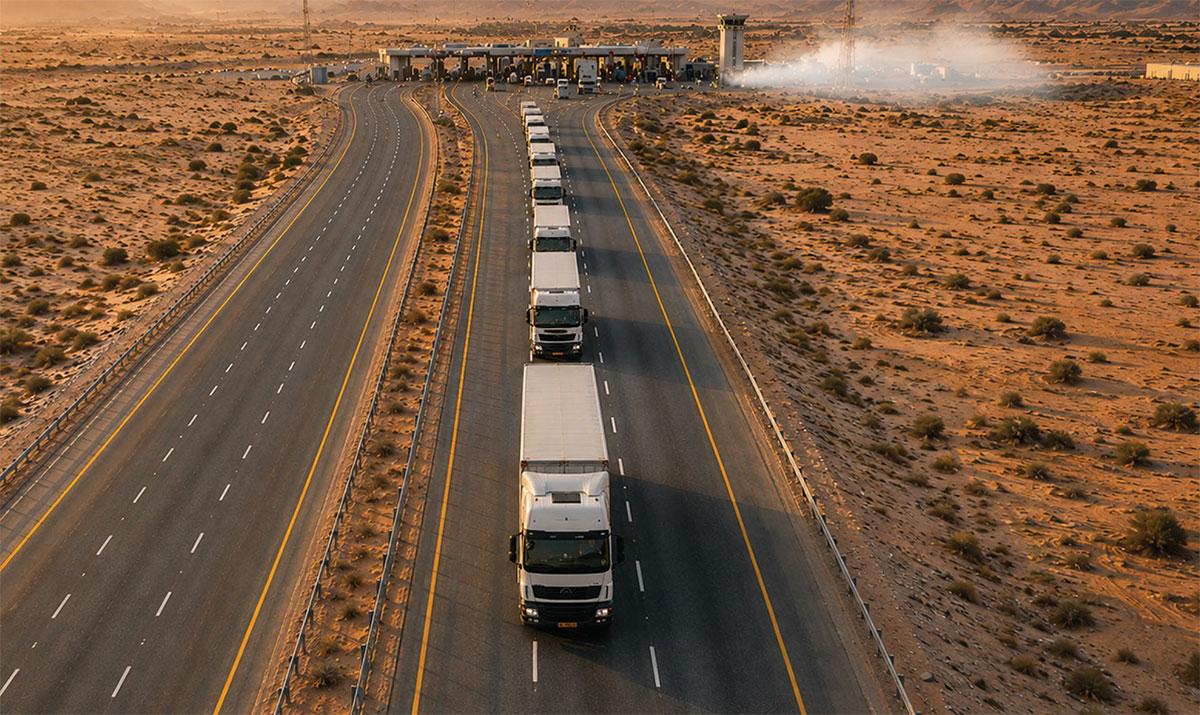
As maritime capacity comes under pressure, land transport is gaining strategic importance. Saudi Arabia’s road network provides a key alternative, linking the Arabian Gulf with Red Sea ports through an east-to-west corridor. This enables cargo to move across the Kingdom without relying on the Strait.
The UAE and Oman further strengthen regional connectivity. Fujairah provides access beyond the Strait, with road links to major ports and inland logistics hubs. Oman’s Sohar, Duqm and Salalah ports offer additional gateways to the Arabian Sea and Indian Ocean.
However, longer routes and rising demand for trucking capacity are increasing freight costs and placing greater strain on transport planning.
Fleet Expansion Supports Supply Chain Resilience
Logistics operators across the GCC are expanding their commercial vehicle fleets to meet growing demand. Ma’aden has increased its fleet to 3,500 vehicles to support cargo movements towards Red Sea ports.
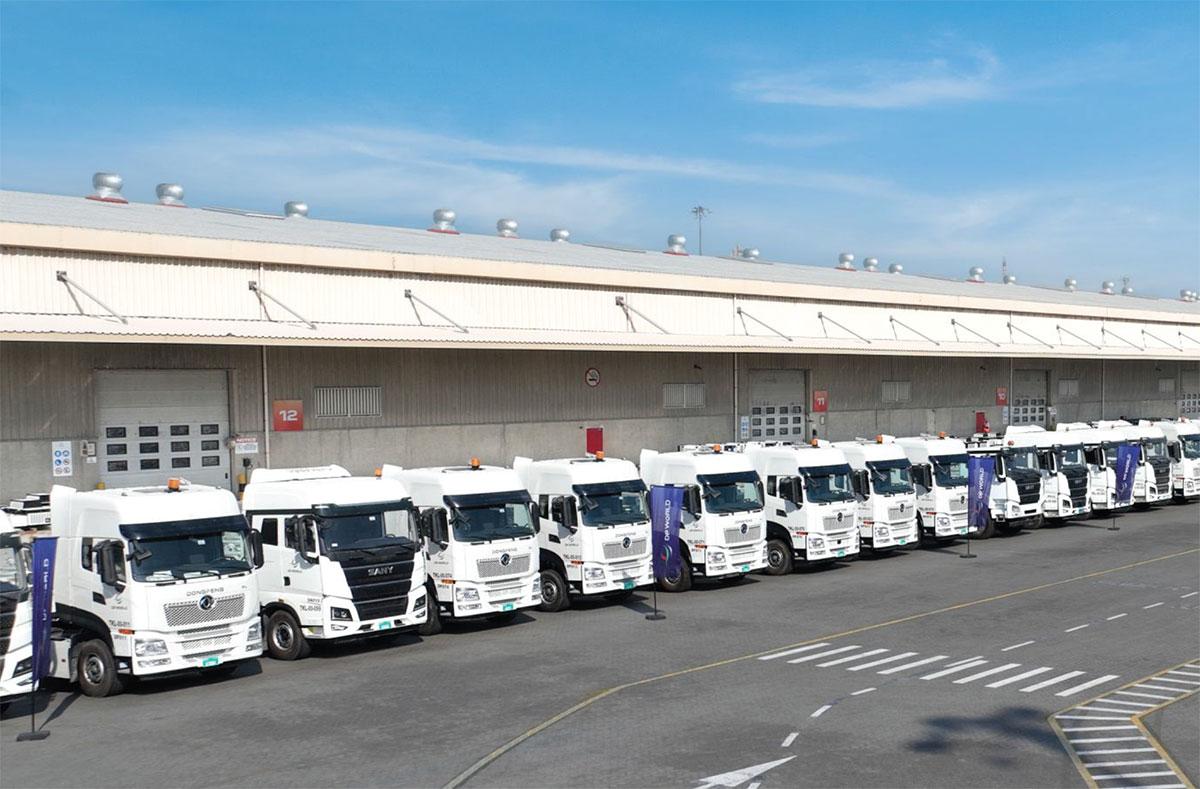
 Other major operators are taking similar steps. DP World has added 700 trucks to strengthen its GCC road network, while Noatum Logistics has bolstered its Middle East fleet with 152 long-haul vehicles. Companies across Saudi Arabia, the UAE and Oman are also investing in additional transport capacity.
This increased reliance on road freight brings new challenges. Longer journeys raise fuel consumption, maintenance needs and driver requirements, while higher energy prices add further pressure to operating costs.
Fleet growth alone, however, will not ensure long-term continuity. Sustained investment in cross-border infrastructure, efficient border procedures, digital freight systems and supporting facilities will remain essential.
Alternative vehicle technologies could also support this transition. Hybrid trucks can improve fuel efficiency on long-distance routes, while electric vehicles are better suited to ports, terminals and fixed-route operations.
As trade conditions evolve, commercial vehicle fleets and inland corridors are becoming increasingly important to GCC supply chain resilience. Their ongoing development will help create a more flexible, connected and responsive regional logistics network.